Get the right pro for your air conditioner
Do you need a dehumidifier with AC in North Carolina
Your AC cools the air but North Carolina summers still leave the house feeling damp, even with the thermostat set low. This page looks at whether a separate dehumidifier makes sense alongside your air conditioner, and when a whole-home setup installed with your system is worth it. Answer a few questions and a contractor who handles this in your area will reach out, so you skip the searching and the back-and-forth explaining your situation to multiple companies.
Find my proYes, in most North Carolina homes a dehumidifier does real work that the AC alone won't do. Your air conditioner lowers humidity as a side effect of cooling, but it only pulls moisture out while it's running, and on a mild, muggy day it may not run long enough to keep up, even though the house feels cool enough that the thermostat shuts the system off. That's how a home ends up cool and still clammy. A standalone dehumidifier runs independently of the thermostat, so it keeps pulling moisture out on those in-between days and through the long humid stretch from spring into fall. It also means the AC isn't doing double duty, cooling the air further than you want just to chase humidity down. If your house holds a damp feel no matter where you set the temperature, or certain rooms stay sticky while others don't, that's the AC working alone against more moisture than it's built to handle by itself.
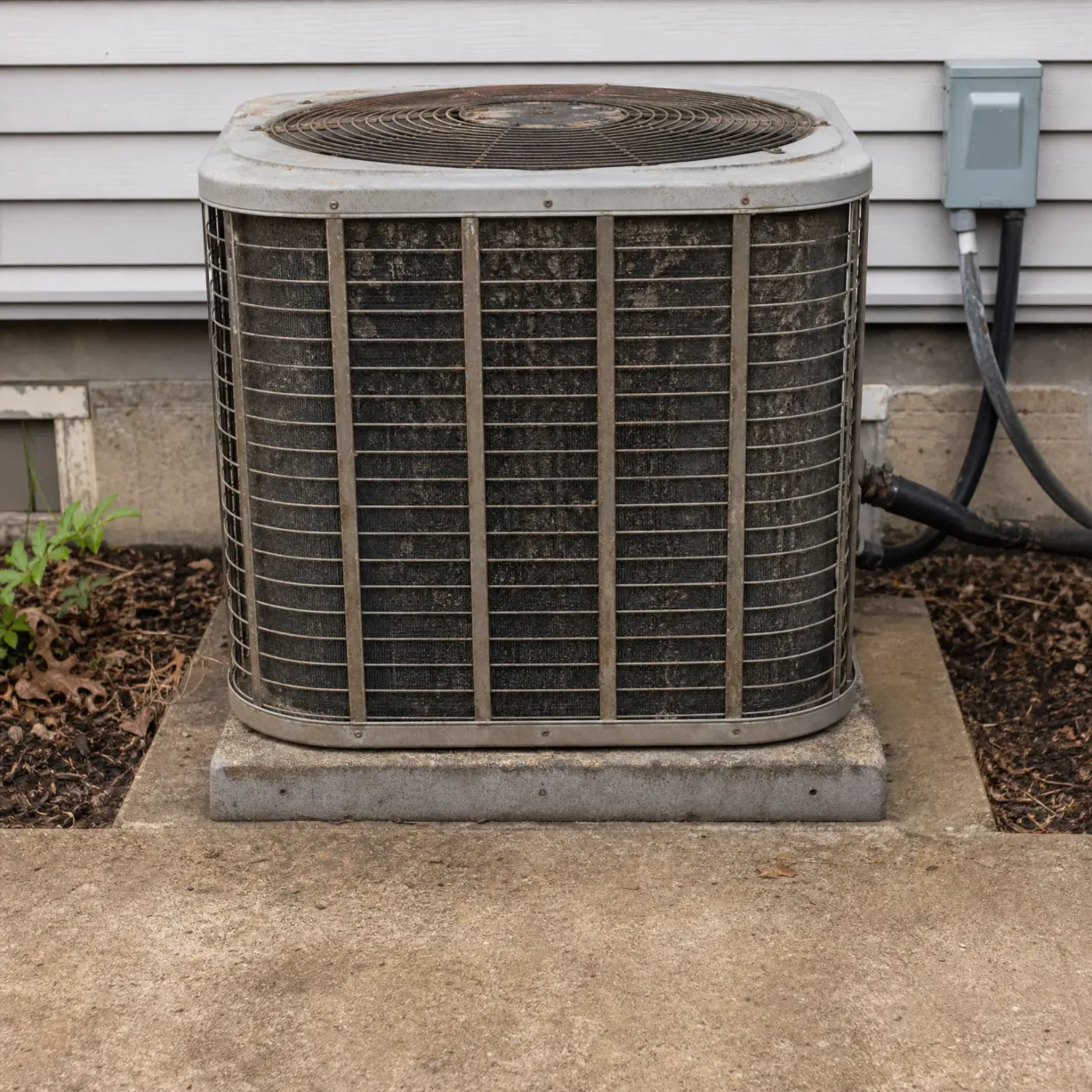
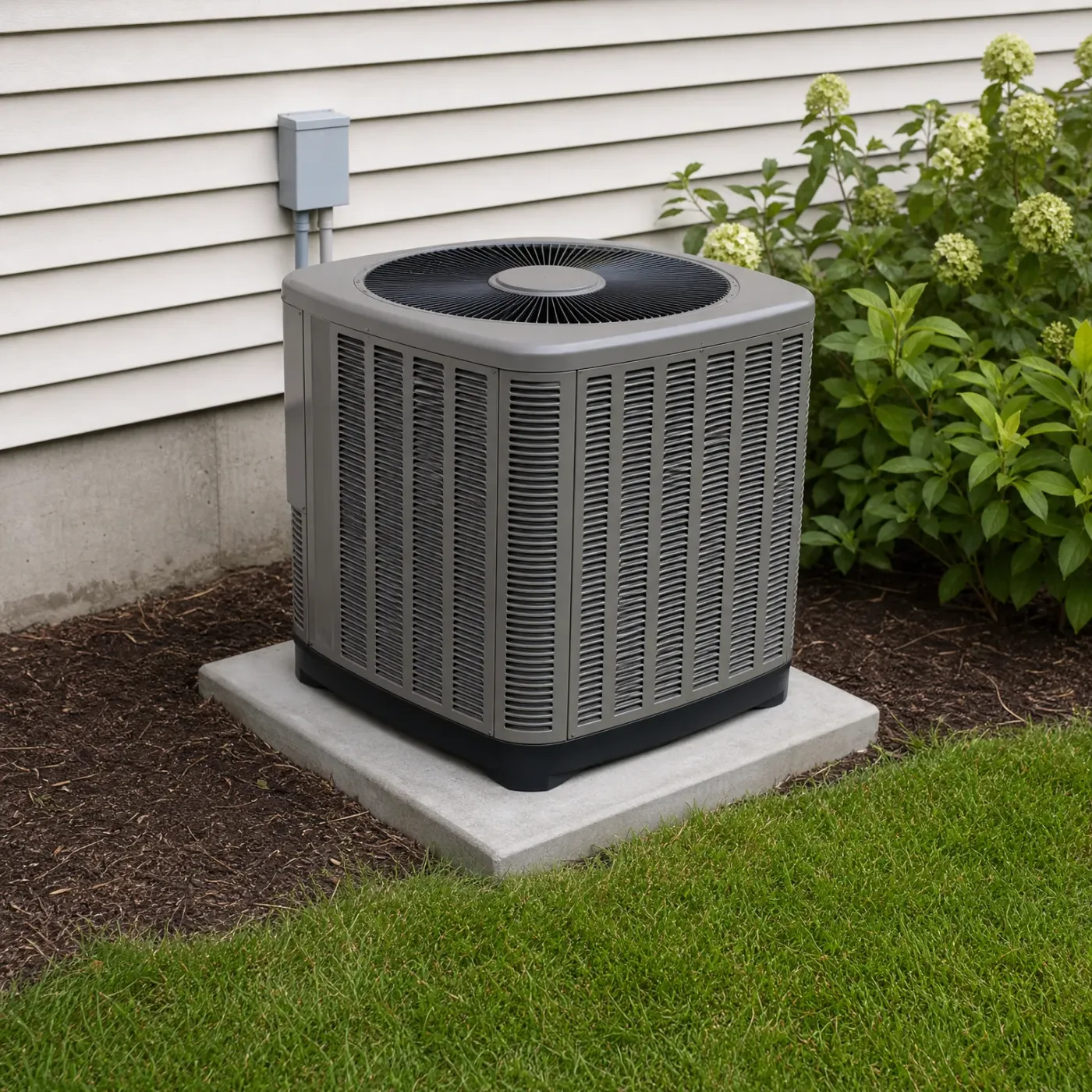
Your air conditioner takes moisture out of the air as a byproduct of cooling. Air passes over the cold evaporator coil, the moisture in it condenses on that coil, and it drains away. That only happens while the compressor is running. As soon as the thermostat is satisfied, the compressor shuts off, and so does any drying. On a mild, muggy day, a properly sized system might only need to run a few minutes at a time to hit the set temperature. That's not long enough to pull much water out of the air, even though the house feels cooler. An oversized unit makes this worse. It cools the room fast, shuts off fast, and the humidity it left behind has nowhere to go. A whole-home dehumidifier works differently. It ties into the same ductwork but runs on its own humidity setting, separate from whatever the AC is doing. It condenses moisture the same way the AC coil does, but it keeps working on humid days even when the thermostat has nothing left to cool.
How your AC handles humidity
- An air conditioner removes moisture by condensing it on a cold evaporator coil as air passes over it, not through any separate drying process.
- Once the thermostat is satisfied, the compressor shuts off and moisture removal stops completely until the next cooling cycle starts.
- A properly sized AC run on a short cycle can drop the temperature a few degrees without running long enough to pull much water out of the air.
- An oversized air conditioner is especially prone to short cycling, cooling the house quickly but leaving humidity behind.
- A whole-home dehumidifier ties into the ductwork and runs on its own humidity setting, independent of whether the AC is calling for cooling.
- Standalone dehumidifiers condense moisture the same way an AC coil does, but they can keep working on humidity even when the house doesn't need cooling.




Why mild days feel damp indoors
A short cooling cycle doesn't move much water out of the air. Your AC pulls moisture out only by running, and on a mild day it might hit the set temperature and shut off in a few minutes. The coil barely got cold before it stopped. That's why 74 degrees in April can feel damper than 74 in July, when the compressor runs long enough to actually dry the air out along with cooling it. A separate dehumidifier doesn't care how long the compressor runs. It keeps pulling moisture whether the AC is on or off.
What the thermostat can't tell you
Your thermostat reads temperature, not humidity, so it has no way to call for more cooling just because the air feels sticky. You can set it to 72 and still feel damp at 60 percent humidity in the house. A whole-home dehumidifier ties into the ductwork and runs on its own humidity setting, separate from the thermostat, so it keeps working during the stretches when the AC has nothing to do. That's the gap it closes, not cooling the air further, just taking the moisture out of it.


A pro who works on air conditioners
A whole-home dehumidifier means another piece of equipment tied into your ductwork, wired to your system, and set up to work with the AC instead of against it. That's not a weekend project, and getting it wrong means a unit that short-cycles or fights your thermostat instead of fixing the damp air you called about. Finding someone who installs these correctly, not just window-unit AC, usually means a round of calls, explaining your house and your humidity problem over and over, then sitting on quotes trying to tell which contractor actually knows this equipment. You've already done the work of figuring out you need this. The next step is getting matched with a contractor in North Carolina who handles dehumidifier installations and has them reach out to you directly, so you can ask your questions once, to someone who already knows what you're dealing with.
NOAA puts the average summer dew point across North Carolina at 67°F for June, July and August. That's the sticky range, where sweat doesn't dry off your skin and towels won't dry on the rack. Your air conditioner was sized to pull heat out of the house, and moisture removal rides along with that, but a dew point this high means there's a lot of water in the air to begin with. On the muggy afternoons, you'll feel it even with the house cool: floors feel damp underfoot, closets smell musty, and the air sits heavy no matter where the thermostat's set.
NASA POWER T2MDEW county cells weighted by homes
What the Damp Feels Like at Home
- Musty air, damp towels, and clammy sheets even when the thermostat reads 72 point to a humidity problem the AC alone isn't fixing.
- Wood floors and furniture can swell or warp when indoor moisture stays high for weeks at a stretch over a Carolina summer.
- Mold can start on closet walls, under sinks, or behind furniture pushed against an exterior wall if moisture has nowhere to go.
- Window frames and bathroom ceilings that stay damp to the touch are a sign your AC is cooling the room without drying it.
- A whole-home dehumidifier tied into your ductwork keeps every room at an even humidity instead of leaving some rooms sticky and others fine.
- Skipping it means living with the clamminess until a stretch of hot, dry weather finally lets the AC run long enough to catch up.
You already know the signs once you notice them. The towel on the bathroom rack that's still damp the next morning. Sheets that feel clammy even though the AC ran most of the night. A closet that smells a little musty no matter how often you air it out. None of that means your air conditioner is broken. It means the air in the house is holding more water than it should, and the AC isn't running long enough or often enough to pull that water out.
Left alone, that moisture doesn't just sit there. Wood floors and furniture take it on, swelling a little at the joints over a few weeks of sticky weather. Mold gets a foothold wherever air doesn't move much: behind a dresser against an outside wall, under a bathroom sink, in a closet that stays shut most of the day. Window frames sweat. Ceiling corners in bathrooms stay damp to the touch long after a shower.
A whole-home dehumidifier tied into your ductwork handles this evenly, room to room, instead of leaving the laundry room sticky while the living room feels fine. Without it, you're waiting on the weather. Some weeks it works itself out when a stretch of hot, dry days lets your AC run long enough to catch up. Other weeks it doesn't, and you're the one running a window unit's worth of extra fans or wiping down the bathroom mirror every morning until it breaks.
Power costs 14.00 cents per kilowatt-hour statewide
At 14 cents a kilowatt-hour, running your AC longer to wring moisture out of the air costs real money, especially with electric heat already on the bill come winter. A dehumidifier handles the damp directly, so your AC can cool the house without being asked to do both jobs at once.
EIA-861 2025 statewide residential average

It's almost nine and still ninety outside. Upstairs, the box fan in the window is just pushing the warm air around instead of cooling anything. The thermostat reads 72, the AC cycled off ten minutes ago, and the room still feels thick. The sheet on the bed has gone limp and slightly damp where an arm rested on it. Through the wall you can hear it, the faint click of the unit kicking on again downstairs, then off a few minutes later. The air never quite dries out between cycles. You end up kicking off the top sheet, turning the fan up another notch, and hoping it cools off enough to sleep before midnight.

Your AC and a dehumidifier do different jobs
Your air conditioner cools the house. A dehumidifier takes the moisture out, on the mild days as well as the hot ones. In a North Carolina summer, you need both to keep the house feeling right, and that's the straight answer to the question you came here with.
Sorting out whether your home actually needs a whole-home unit, and finding someone who installs them correctly, tied into your ductwork and working with your AC instead of against it, is its own job. Skip the calls to different contractors and the back and forth explaining your setup each time. Answer a few questions about your house and get matched with a contractor who installs this equipment and will reach out to you directly about what your home needs.

Get your air conditioner to the right pro