
What North Carolina homes are up against.
NOAA National Centers for Environmental Information, Storm Events Database, bulk CSV export, events 2015-01-01 through 2024-12-31. · U.S. Census Bureau, 2020-2024 American Community Survey 5-Year Estimates

What the equipment at a given address has run against is a local question, and the statewide record is not built to answer it. 10,154 severe weather events were recorded in North Carolina between 2015 and 2024. A number that large is spread across every county, every elevation, every stretch of the state where a system has ever had to keep up or fall behind. A contractor quoting a job has to work out what that address specifically has been asking of its equipment, because a specification drawn from the state average can miss high in one place and low in another. The installed system bears the consequence either way.

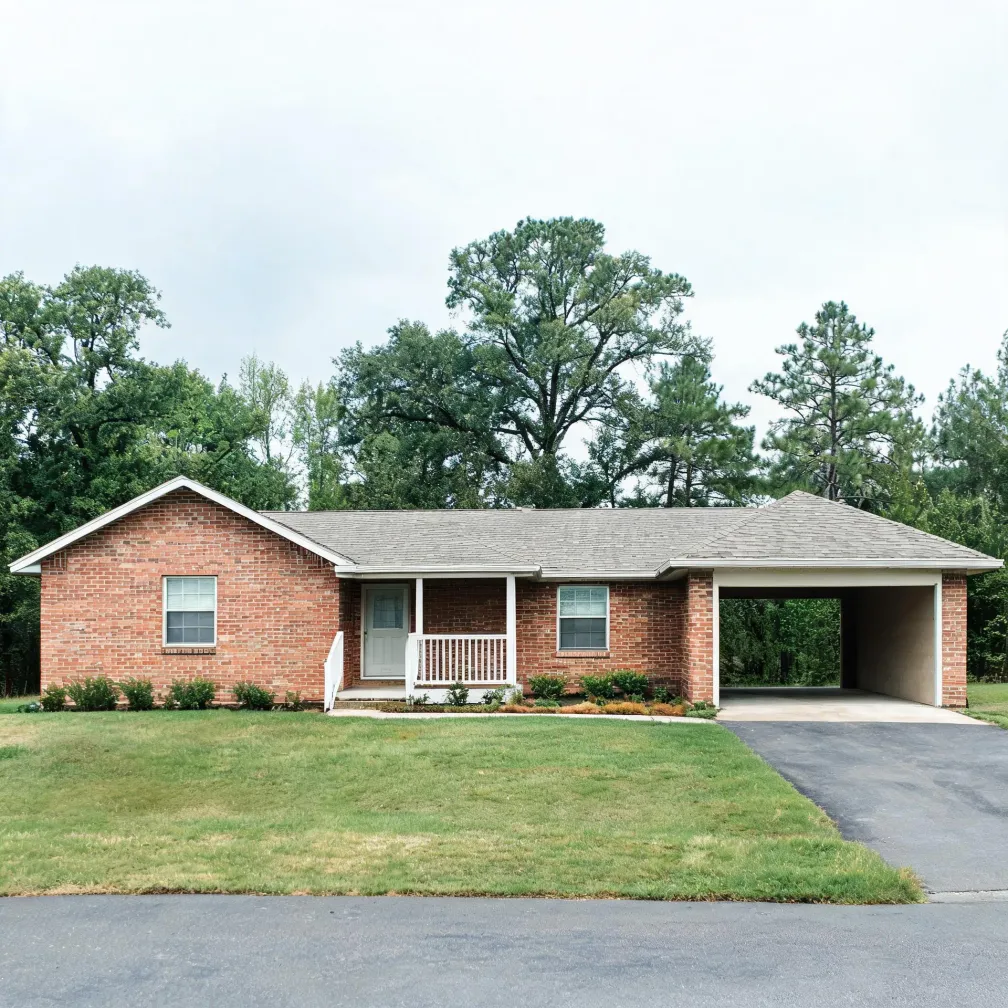
Before a contractor can spec a new system, they have to open the house. Ducts sized for older equipment carry different volumes than current units require, and the electrical service may have been wired to a load calculation that no longer applies. Half the homes in North Carolina were built in 1991 or earlier (2020-2024 ACS 5-year). That distribution means the contractor at a typical house in the state is assessing what is already there before committing to any specification, because what exists may or may not accommodate what the replacement requires. A site visit is the only way to find out.
Does your county put extra stress on your HVAC system?
2015–2024 · Source: NOAA National Centers for Environmental Information, Storm Events Database.
A condenser sitting outside takes whatever the sky delivers: sustained heat, freezing temperatures, hail impact, high winds, and standing water after heavy rain. Counties that see more of those events ask more from equipment over time, which means sizing, placement, and component quality all matter more than they would in a milder spot. The licensed contractor you are matched with knows what outdoor units in your county are actually up against and specs the job accordingly.
North Carolina HVAC Contractor License Requirements
North Carolina sets its own rules for who can perform HVAC installation and repair work. The provisions below are quoted directly from state source material, not paraphrased.
North Carolina issues Class I heating licenses covering all systems in all structures, and Class II licenses covering heating systems in single-family detached residential dwellings.
A state license requirement means that only contractors who have met North Carolina's credentialing standard are permitted to do this work on your home. That matters when you are deciding who to let on the job. Every contractor this site routes a request to holds the license these provisions describe.
See the source provisions2 provisions
North Carolina issues Class I heating licenses covering all systems in all structures, and Class II licenses covering heating systems in single-family detached residential dwellings.
North Carolina requires a license before any person or firm may engage in, or offer to engage in, the business of heating contracting.