Send one request and you're done looking
How to lower your AC bill in a North Carolina summer
A North Carolina summer runs your air conditioner hard for months straight, and that shows up on your power bill. This page gets into what actually drives that cost up, what regular maintenance catches before it turns into a breakdown, and what you can check yourself. When you're ready for someone to look at your system, send the form and let a local contractor take it from there.
Hand it offThe biggest thing that drives up your AC bill in a North Carolina summer is a system working harder than it should to hit the same temperature. A dirty filter, a coil caked with dust, or a low refrigerant charge all make the unit run longer to cool the same house, and longer runtimes mean more electricity. Heat and humidity here push the system hard from May into September, so a small inefficiency in June is still costing you in August. Regular maintenance catches these things early: a technician cleans the coil, checks the refrigerant level, and makes sure the airflow across the system is what it should be. None of that shows up by looking at the unit from outside. It shows up on the bill, a little at a time, until a summer's worth of it is real money. Catching it early keeps the system running the way it was built to, instead of straining through August on a problem that started in June.
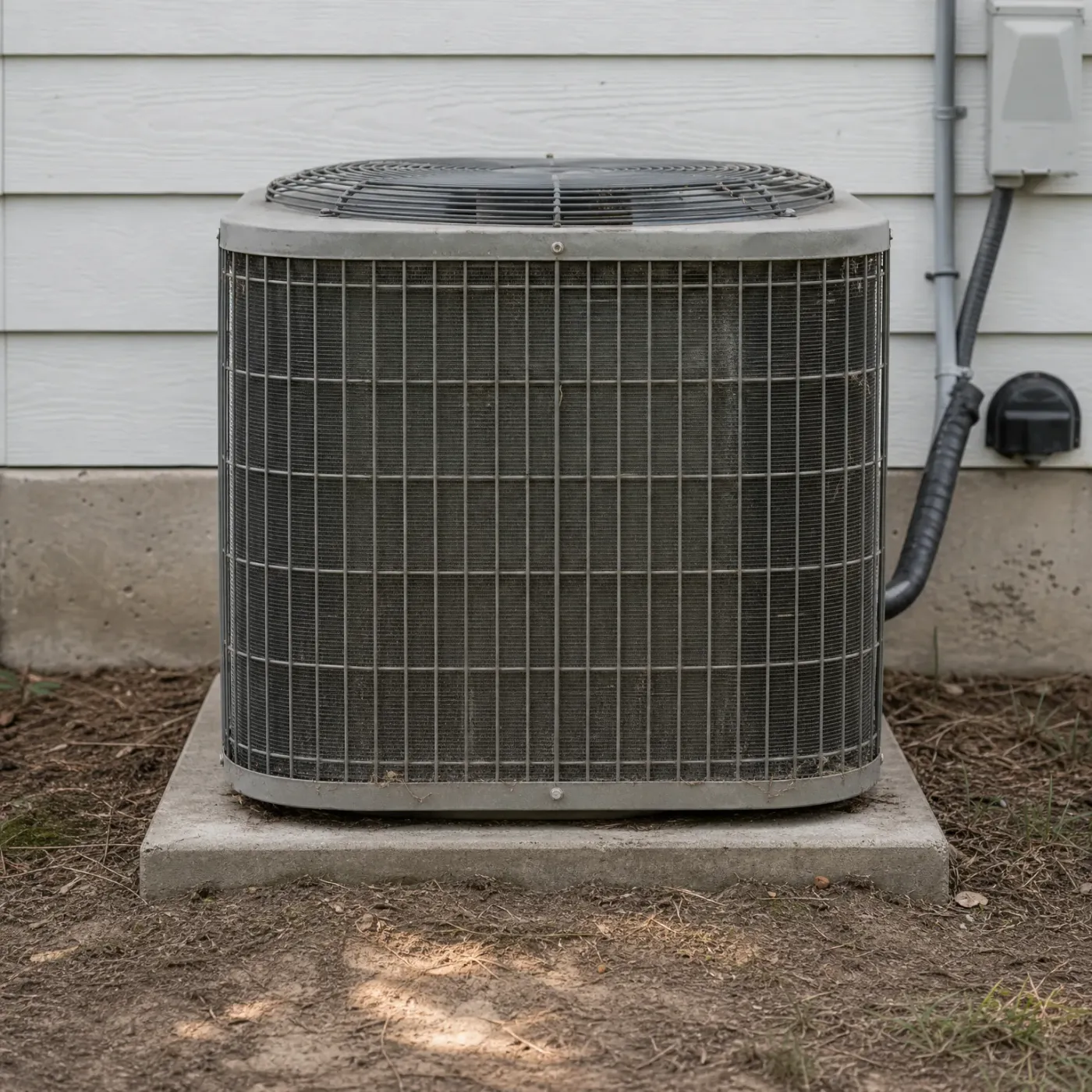
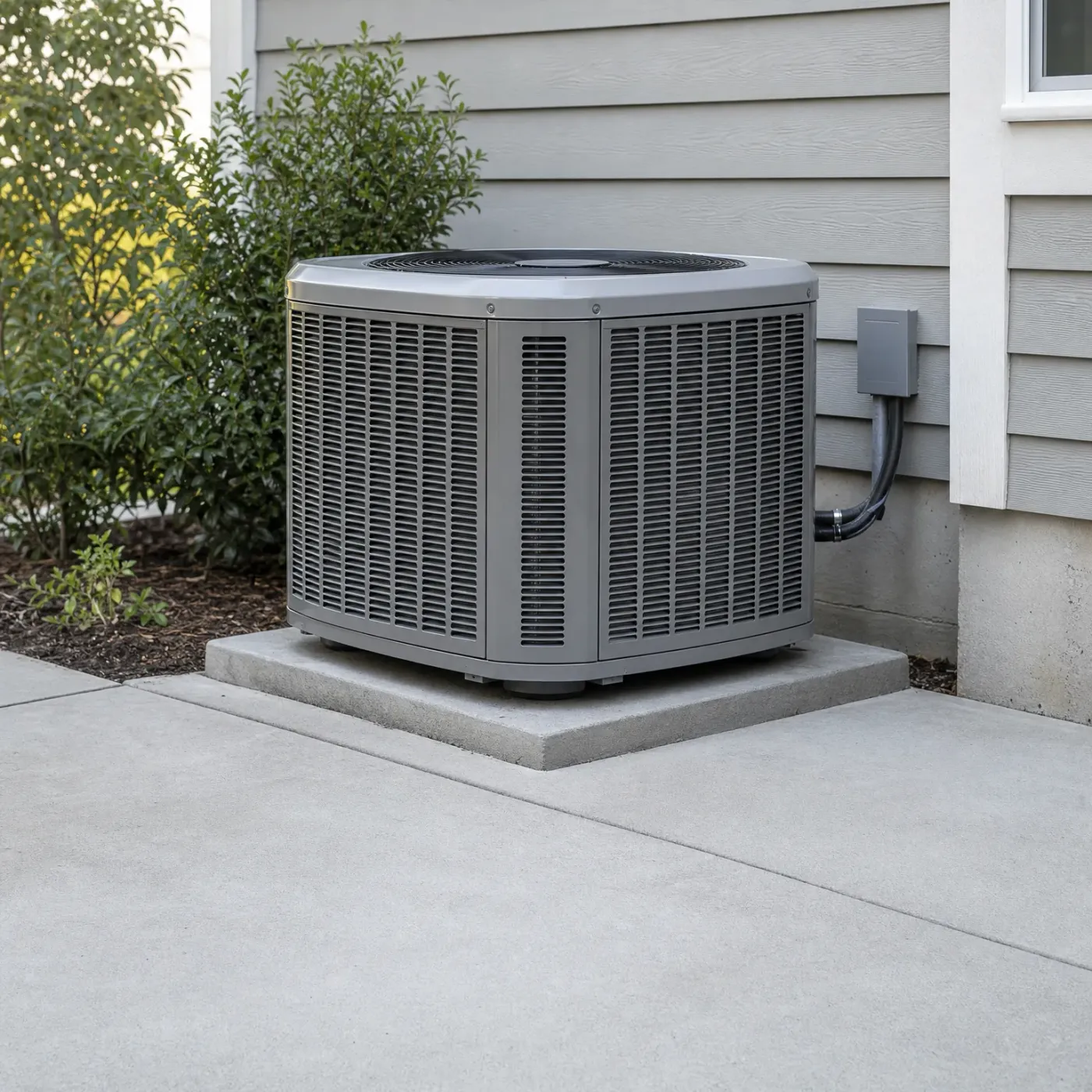
Your AC doesn't run longer because it's lazy. It runs longer because something is making it work harder to move the same amount of heat out of your house. Outside, the condenser coil has to dump that heat into the air, and in a North Carolina summer that air is already hot, so the fan behind it needs to move a real volume of air across the coil. Let yard debris build up on that coil or let the fan motor weaken, and heat transfer slows down. Inside, the evaporator coil is where heat gets pulled out of your home's air in the first place. A layer of dust on that coil works against it the same way a blanket would. Airflow matters just as much. A clogged filter starves the indoor coil of air, and a starved coil can ice over, which chokes airflow even further. Behind all of it, the contactor and capacitor have to get the compressor started cleanly every single cycle. A capacitor that's wearing out makes that startup a struggle, and the compressor pulls more power getting there.
Where the run time actually goes
- A dirty evaporator coil acts like a blanket over the part of the system that absorbs heat from your house, so the compressor runs longer to pull out the same amount of heat.
- A refrigerant charge that's even slightly low means less heat moves out of your home per cycle, and the system compensates by running longer, not harder.
- The condenser fan outside has to move a lot of air across the condenser coil to dump heat into the North Carolina air, and a failing motor or a coil caked with yard debris slows that down.
- A clogged filter restricts airflow across the indoor coil, and when airflow drops the coil can ice over, which blocks airflow even more and stretches run times further.
- The contactor and capacitor are what get the compressor and fans started each cycle, and a weak capacitor makes the compressor struggle on startup, drawing more power and wearing down faster.
- Thermostat sensors that read the room wrong will call for cooling longer than the house actually needs, running up time on the unit without you noticing.




Finding a pro stops being your job

Only one pro gets your request, so you hear from one company.
It costs nothing to send, and you don't have to hire anyone.
The outdoor unit needs airflow
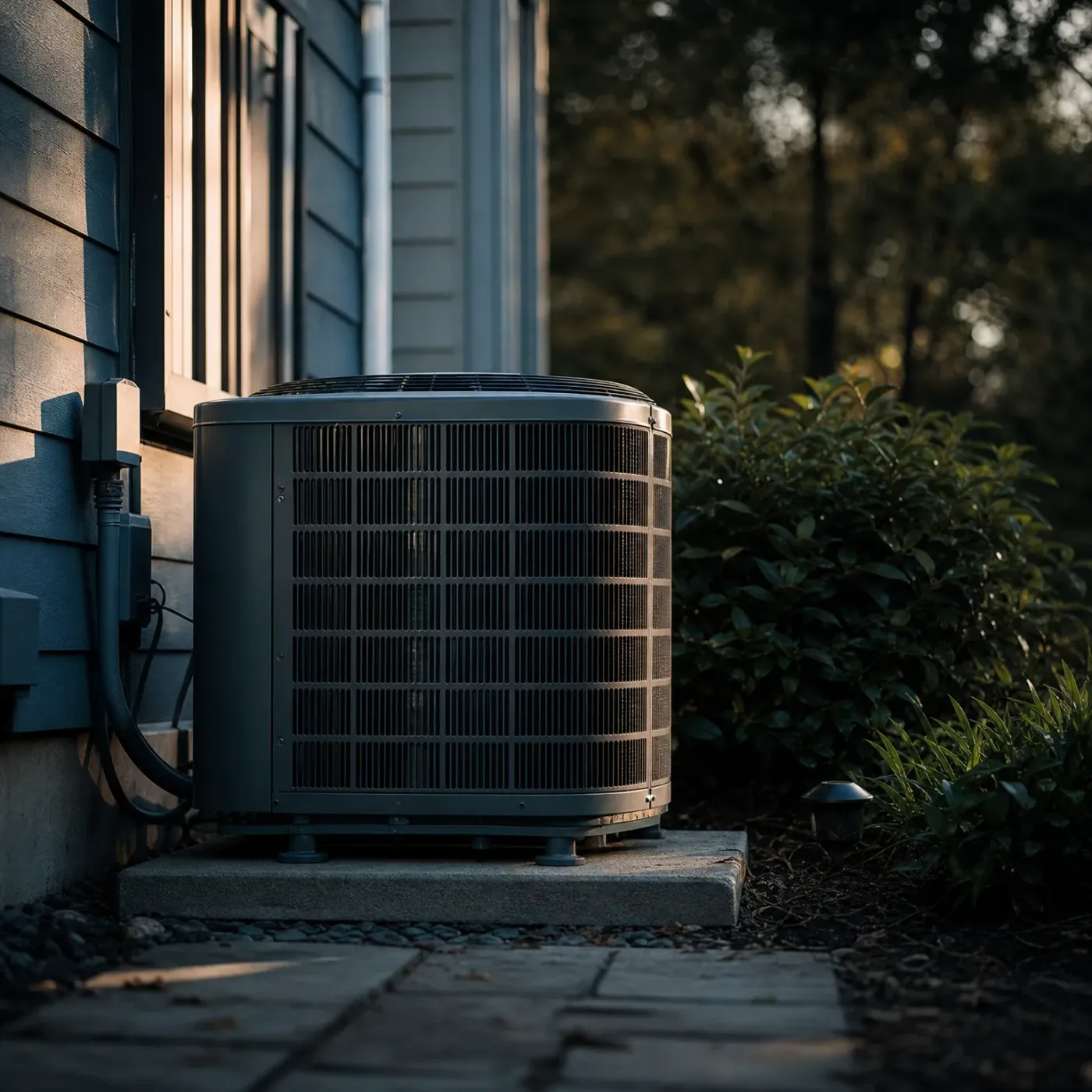
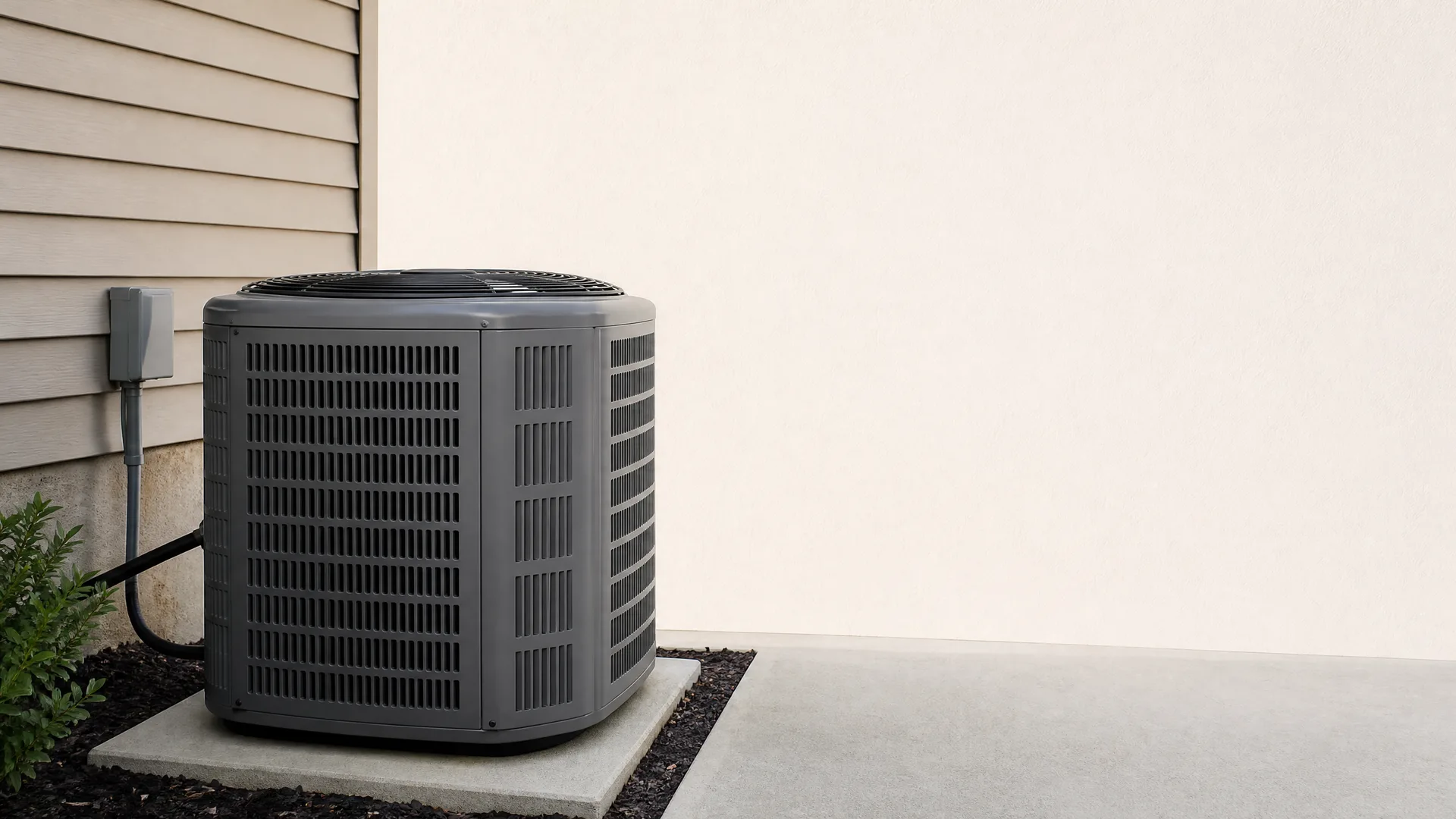
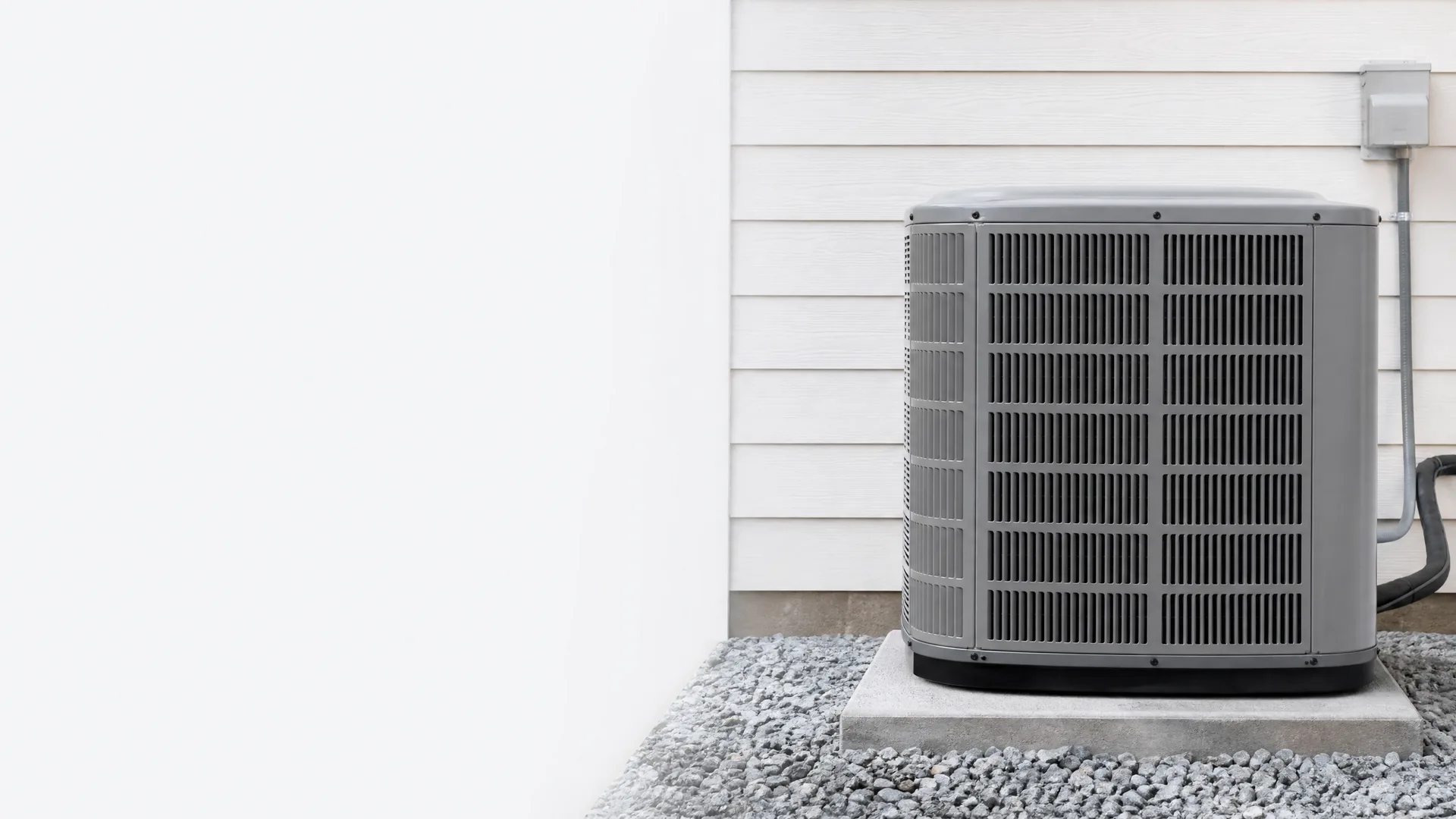
The condenser outside your house dumps the heat your AC pulls from inside. It needs air moving through those fins to do that. Pollen, grass clippings, and leaves build up on the coil over a North Carolina summer and choke that airflow off. When that happens, the system holds onto heat it should be releasing, and the compressor runs longer to finish the same job. Keeping that coil clear is part of what a maintenance visit checks.
A thermostat that's off by a degree
Thermostats drift over time, especially older ones, and a reading that's off by even a degree or two means your AC runs longer than it needs to just to satisfy a setpoint that isn't accurate. In a North Carolina summer, where the unit might run most of the day already, that small drift adds real runtime. A technician checks the thermostat's accuracy against a separate reading during a maintenance visit, which is easy to miss on your own.
Why does your AC run all day and barely keep up?
You notice it when the unit outside never seems to shut off, even in the evening after the sun's down. Inside, the air coming out of the vents feels less cold than it used to, so the thermostat has to work longer to get the house to temperature. Some rooms stay warmer than others. The return air grille looks gray with dust, or you haven't changed the filter in a while. The outdoor unit might be humming but the fins are packed with grass clippings and pollen. Left alone through a full North Carolina summer, this is how a compressor wears out early, and it's how a breakdown lands on the hottest week of the year instead of a quiet one.


Power costs 14.00 cents per kilowatt-hour statewide
At 14 cents a kilowatt-hour, every extra hour your compressor runs costs you something real. A system that's fallen behind on maintenance can run two or three hours longer a day just to hold the same temperature, and that difference shows up on next month's bill.
EIA-861 2025 statewide residential average
A system that isn't straining
- A system that isn't working as hard to cool your house uses less power to do it, and that's the whole answer.
- Maintenance catches the dirty coil, the low charge, and the clogged filter before they turn into a bill you notice.
- A tech who services AC units around here all summer knows which parts fail first in this kind of heat.
- One licensed contractor takes the call for your house, so you're not fielding quotes from four different companies.
- Your outdoor unit and your thermostat setting both matter, but only one of them is something a contractor can fix.
- The unit that's running efficiently now is the one that costs you less in August than it did in June.
What drives up your AC bill in a North Carolina summer comes down to how hard the system has to work to hit the temperature on your thermostat. A dirty coil, a low charge, a clogged filter, each one makes the compressor run longer for the same result. Maintenance is what finds those problems while they're still small, before they turn into a bill that makes you go check the thermostat twice.
You don't have to figure out which of those it is. That's what a contractor who works on this equipment all summer is for. Someone who services units around here knows what a North Carolina summer does to an outdoor coil, and what tends to give out first after months of running nearly nonstop. That's a different kind of help than guessing at a thermostat setting.
When you send the request on this page, it goes to one licensed contractor local to you, not a handful of companies competing for the job. You get someone who services this equipment and this climate, not a stranger working off a script. No quotes to compare, no calls to field all afternoon.
The unit running efficiently right now is the one that costs you less in August than it did in June. That's the plain version of everything above. Maintenance is what keeps it that way, and finding someone to do it is the part you can hand off.
Let someone else find the pro
Your request stays with one local pro.