Two speeds, one compressor
Low stage runs longer at a gentler speed, which pulls more moisture out of the air than a single-stage unit cycling on and off ever can.
 Get a local pro
A local installer who puts in air conditioners gets your project.
A two-stage air conditioner runs on low most of the time and only kicks into high when the heat really demands it. In North Carolina, where summers run long and sticky from June into September, that low stage does most of the work on an average afternoon, and high stage is there for the string of 90-degree days in July and August.
That matters for humidity as much as temperature. A single-stage unit cools fast and shuts off, which leaves a lot of moisture in the air. A two-stage system runs longer on low, so more air passes over the coil and more moisture comes out of your house along the way. If your home feels damp even when the thermostat says it's cool enough, that's the difference a second stage can make.
Whether it's worth the cost for your house depends on things a page like this can't know. How your ductwork is sized, how your home holds heat, what your current system struggles with on the hottest days. Those are questions for someone who can look at your house, not guess at it.
That's the next step. A contractor who installs these systems in North Carolina homes can walk through your house, look at what you have now, and tell you whether a two-stage unit fits your situation or whether your money is better spent elsewhere. You don't have to track that person down yourself. Once you send the form, finding the right contractor for your home stops being something you have to figure out on your own.
Power here is priced the same as most places, so the case for two-stage isn't about a steep utility bill. It's about comfort through a long cooling season and whether your house is one where that second stage earns its keep. Someone who services these systems locally can tell you that in a single visit.
A two-stage AC is worth it in North Carolina because your summers don't just hit a peak and quit, they sit hot and humid for months, and a single-stage unit only knows two settings: off and full blast. Full blast cools the air fast but doesn't run long enough to pull much moisture out, so the house feels cold and clammy at once. The low stage on a two-stage system runs longer and slower, which means it moves more air past the coil over time and wrings more humidity out of it. On a muggy July afternoon that difference is what keeps a room from feeling damp even with the thermostat satisfied. It also means the system cycles on and off less, so the swings in temperature from room to room are smaller. For a house you intend to keep up well, that steadier run is the part worth paying for.
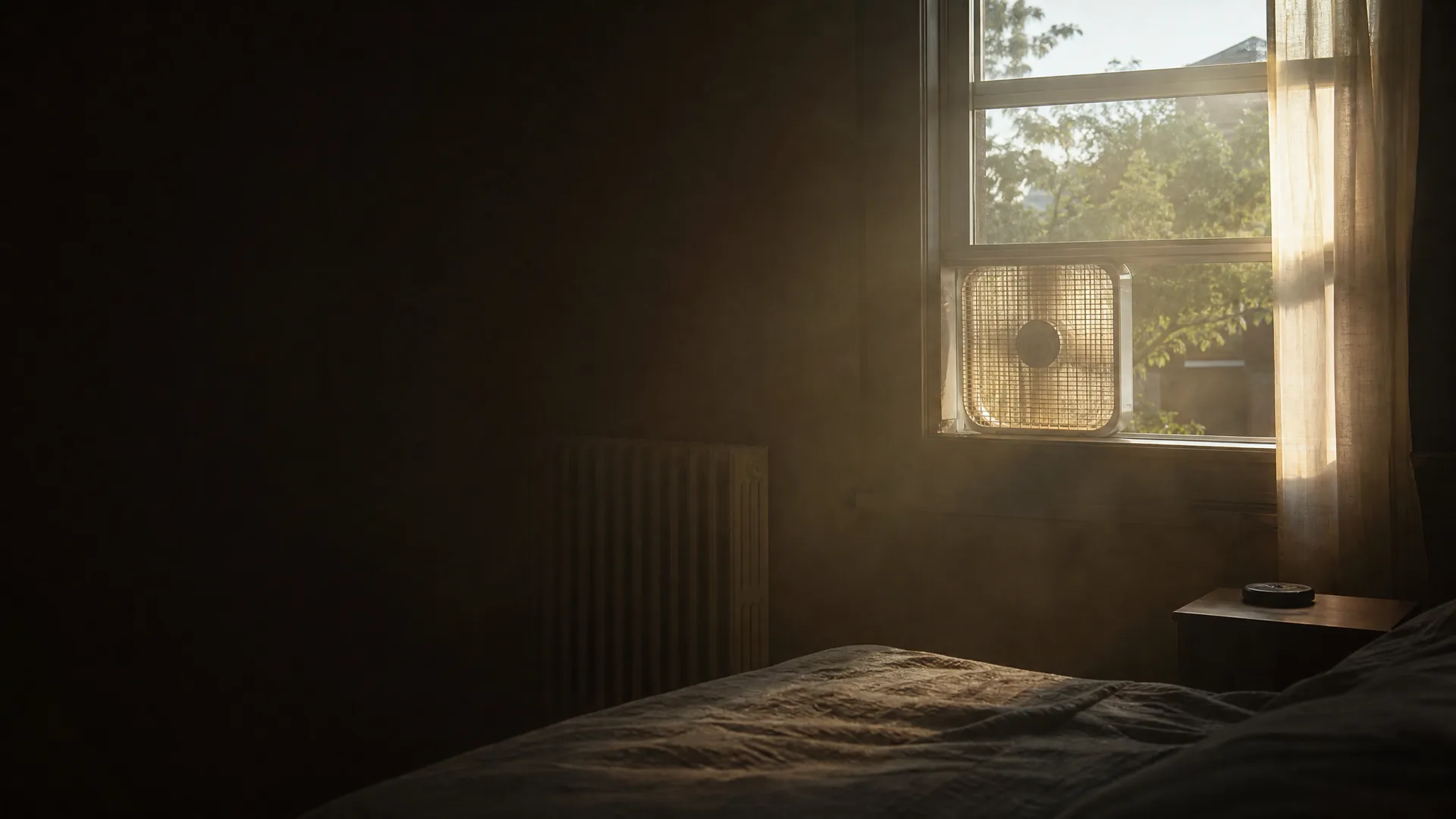
By nine the sun's down but the upstairs bedroom hasn't caught up with it yet. The box fan in the window is just moving the same warm air around. You're on top of the sheets, not under them, and the one spot on the pillow that was cool a minute ago isn't anymore. Downstairs the thermostat probably says 72. Up here it doesn't feel like it. The AC kicked off a while back, satisfied, and now the room is just sitting with the heat it already let in, waiting for the next cycle to start and do the same thing again.
You've probably got a room that just runs warmer, no matter what the thermostat says. Maybe it's the upstairs with the afternoon sun, or the room furthest from the air handler. With a single-stage unit, that gap doesn't close, because the system shuts off the second the thermostat near it is satisfied, leaving the far room short. You might also notice the air feels damp even when it's cool, or you hear the system kick on and off every few minutes through the hottest part of the day. Left alone, that extra moisture sitting in the house all summer is what feeds mildew along windows and closets.


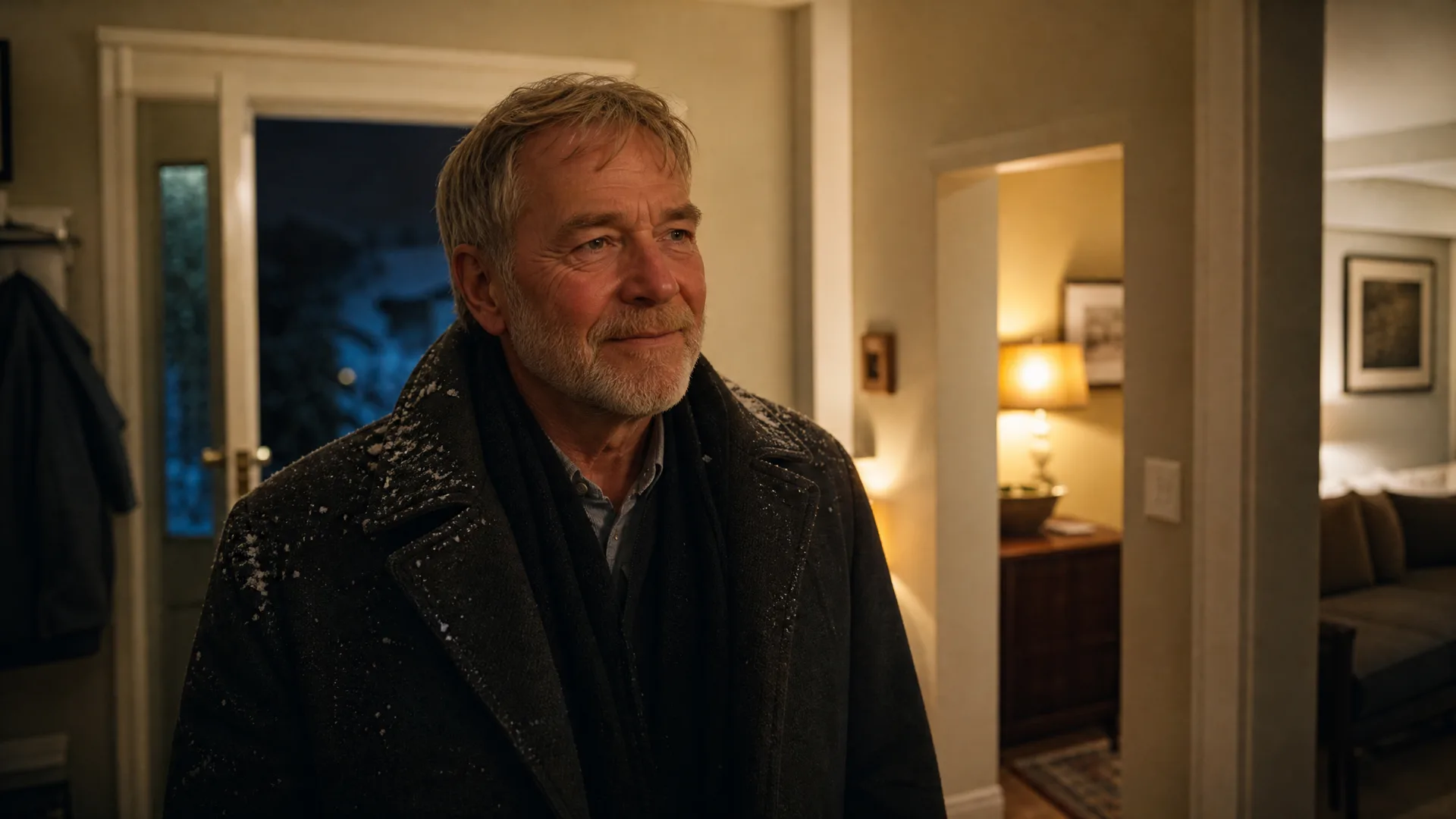
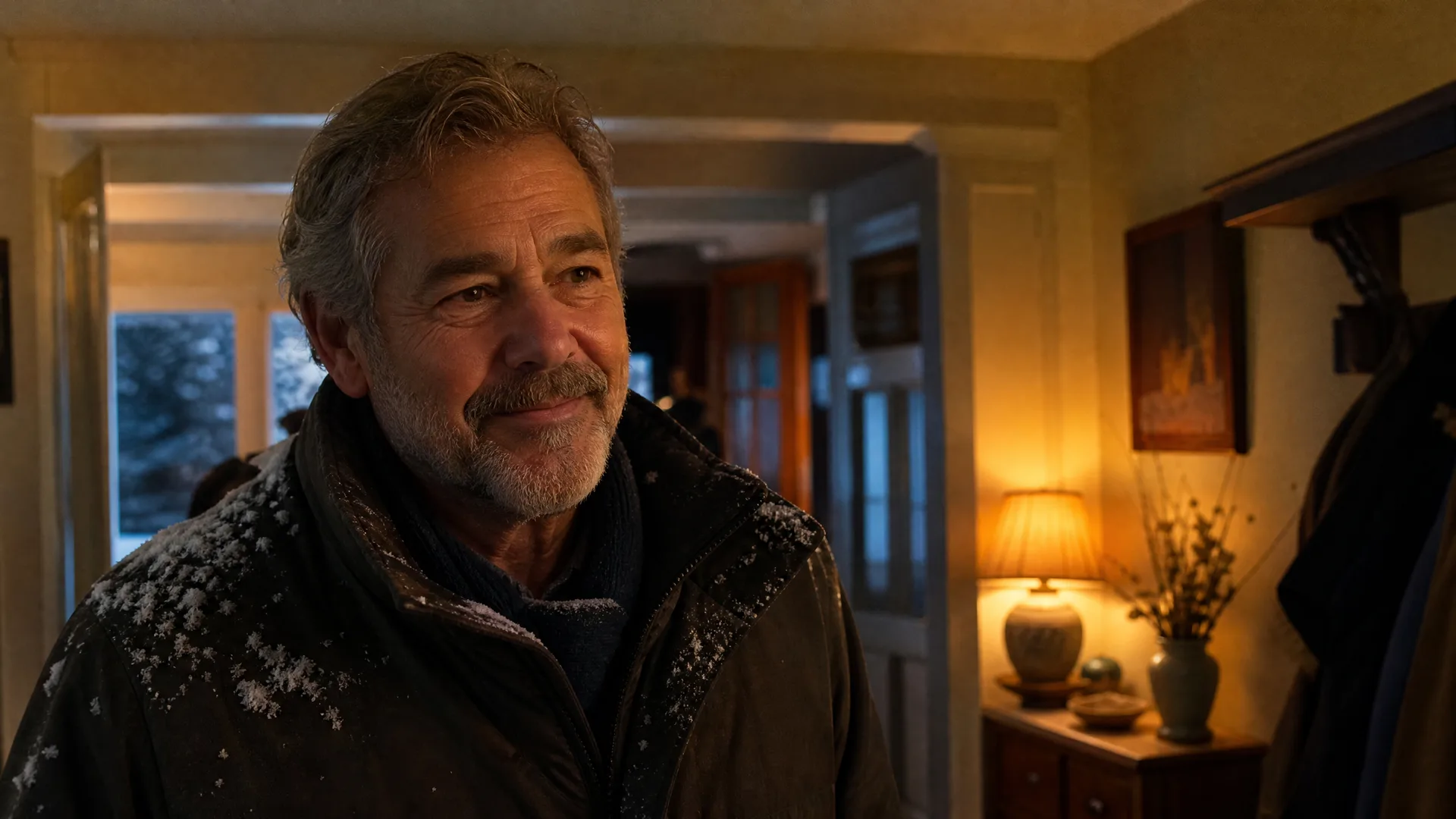
Send the form and the search for an installer is over.
Get in touch with a local installer about a new air conditioner.
Asking costs nothing, and the choice to hire stays yours.
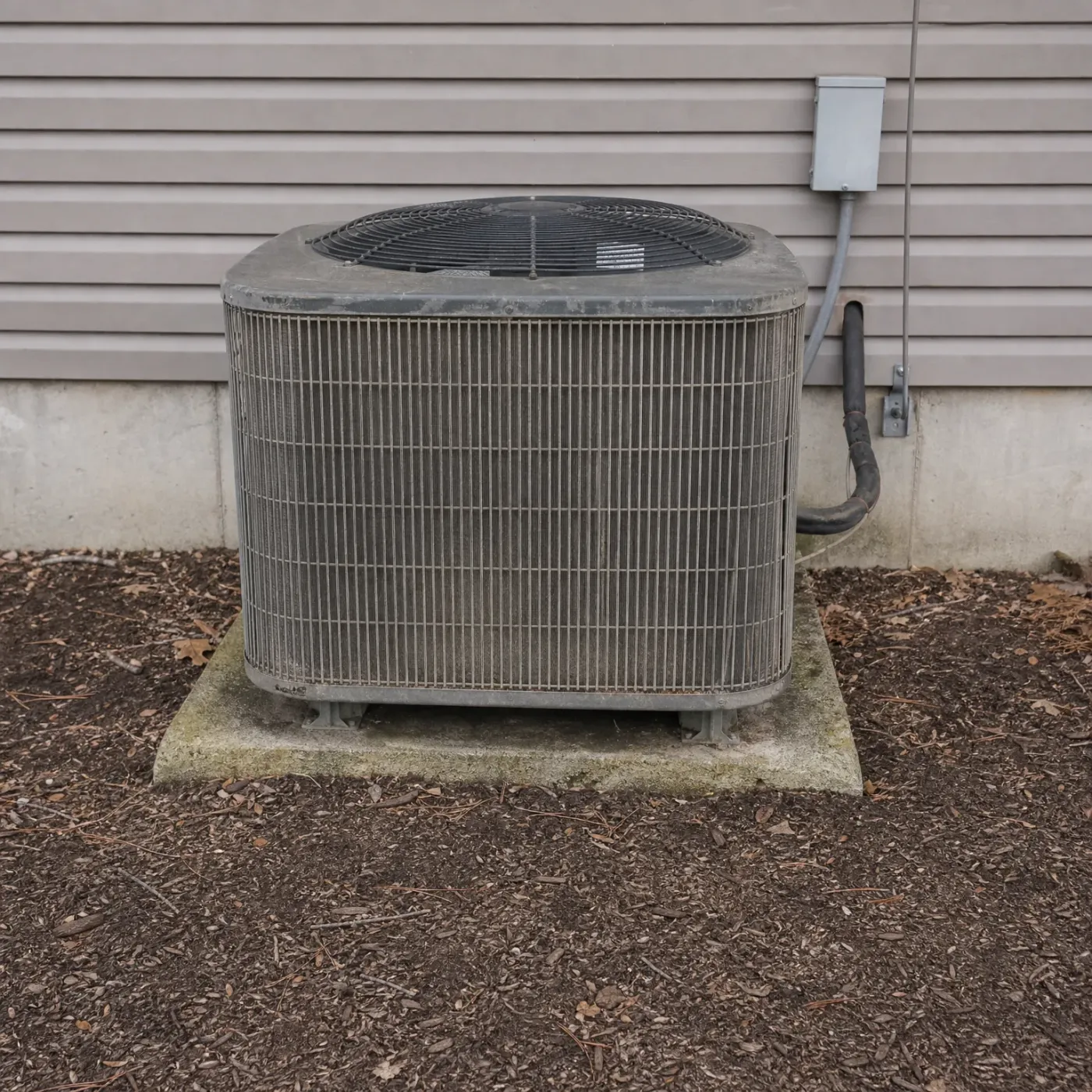
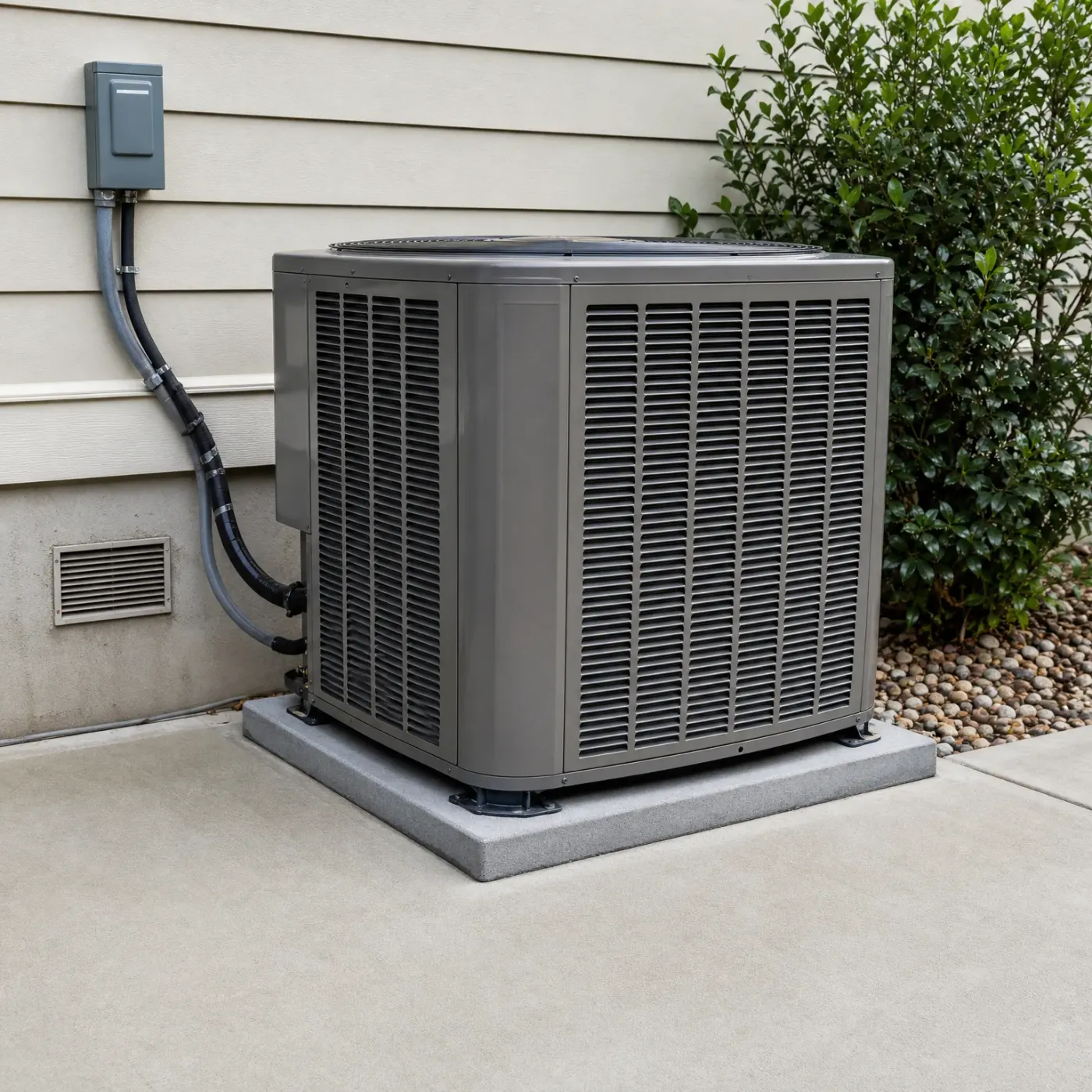
Low stage runs longer at a gentler speed, which pulls more moisture out of the air than a single-stage unit cycling on and off ever can.
Running on low most of the time means the outdoor unit isn't throwing full blast noise every time it kicks on through a long North Carolina summer.


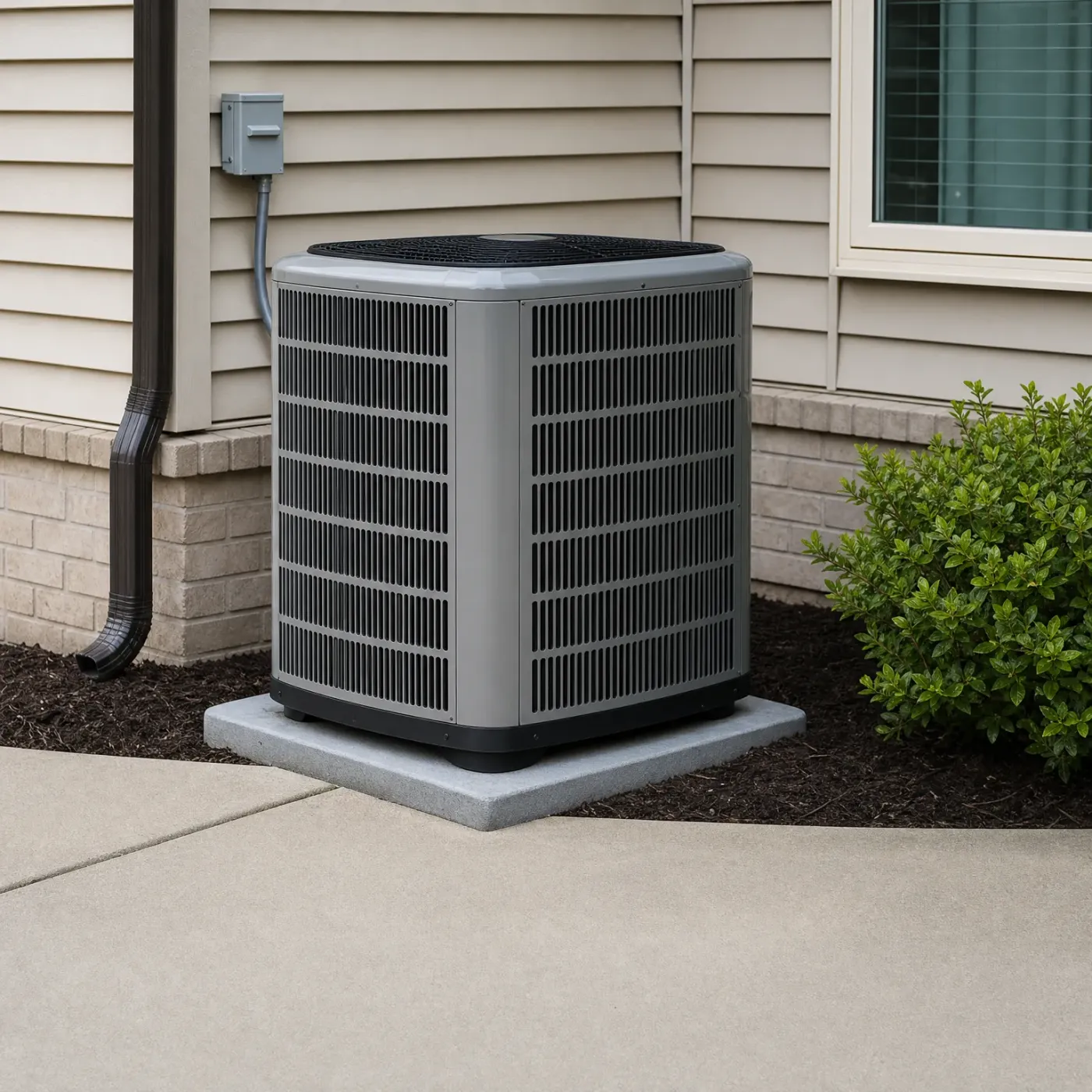
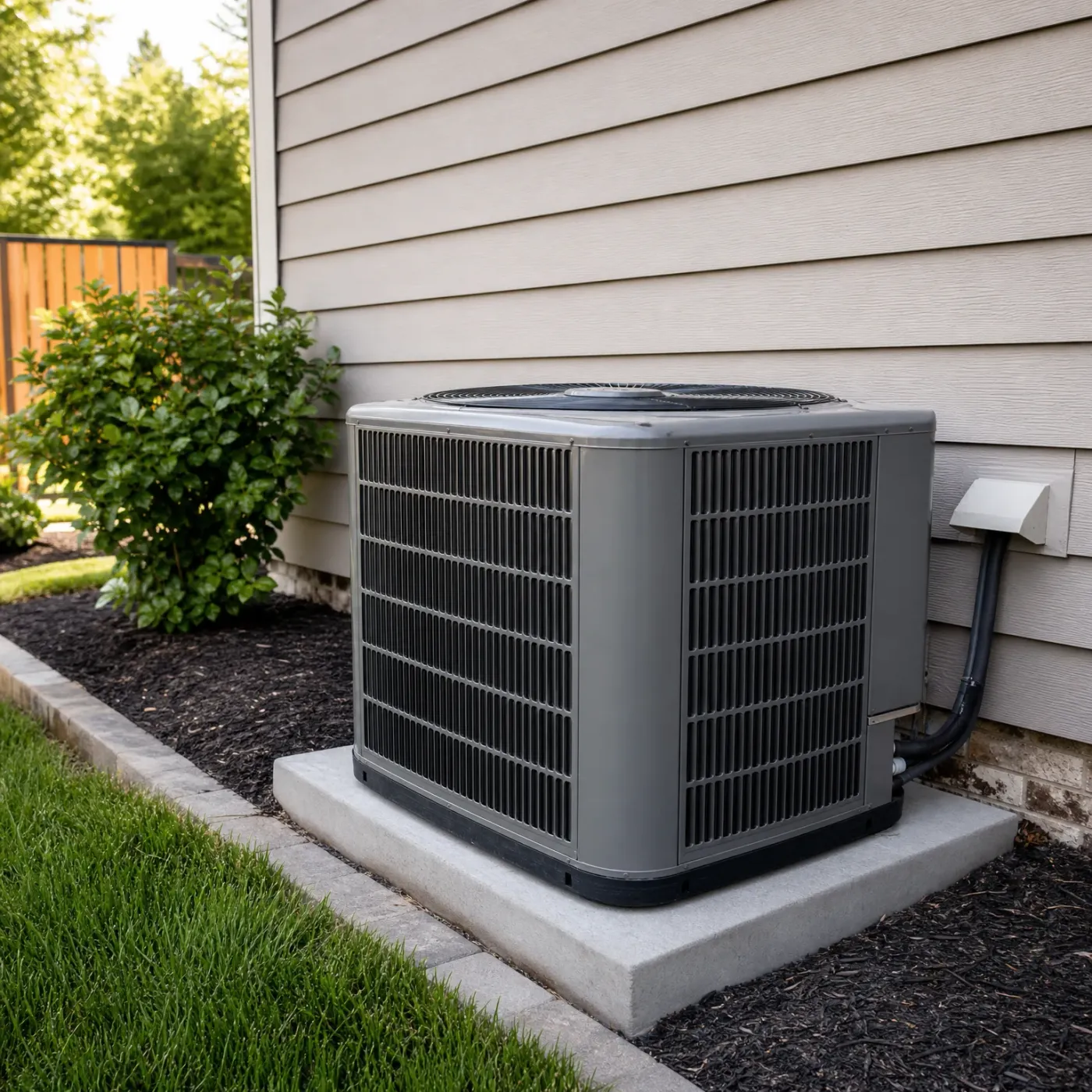
A unit that's kept clear and serviced can shift between low and high stage the way it's supposed to, matching output to what the afternoon actually needs. The coil stays able to pull moisture out of the air instead of just dropping temperature fast and shutting off.
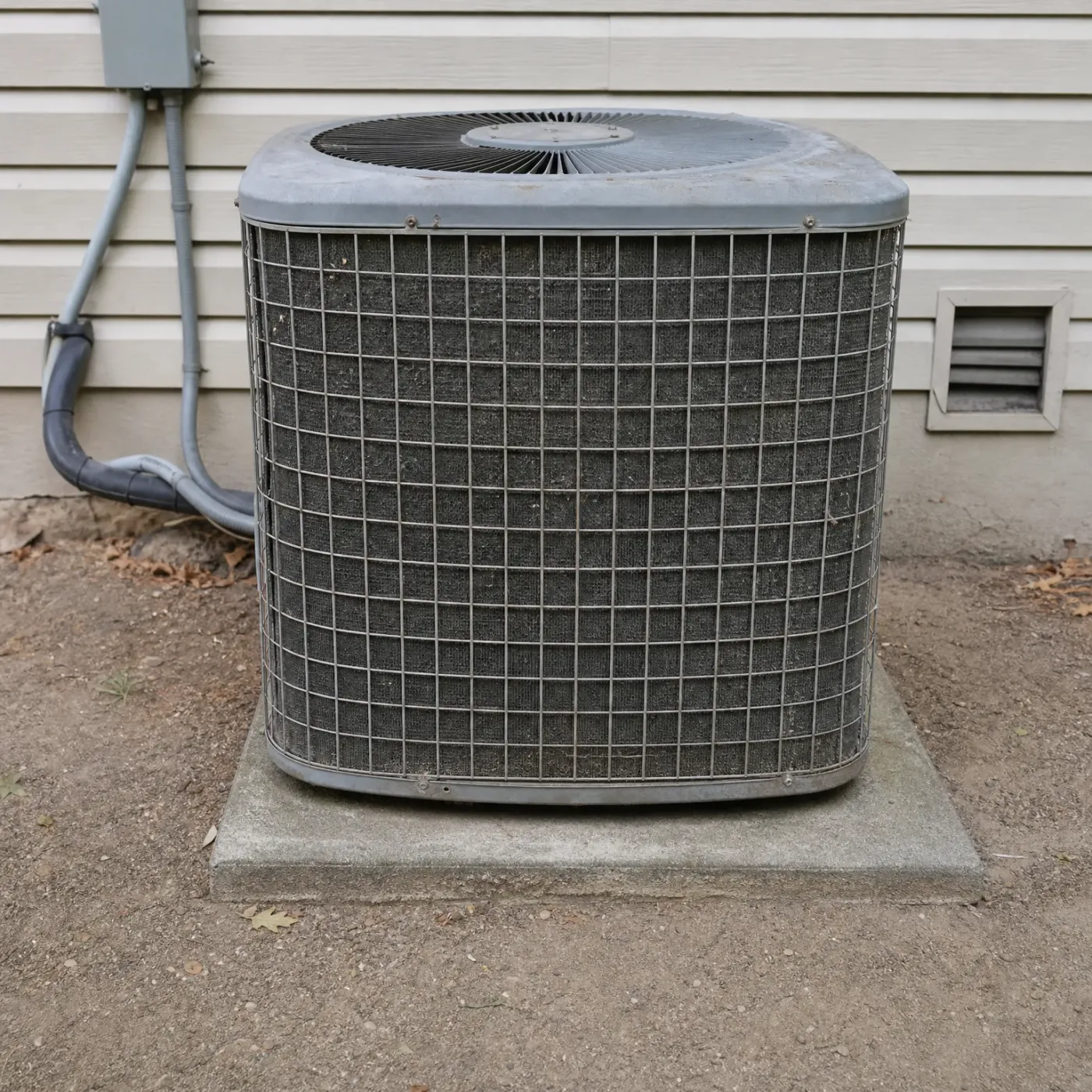
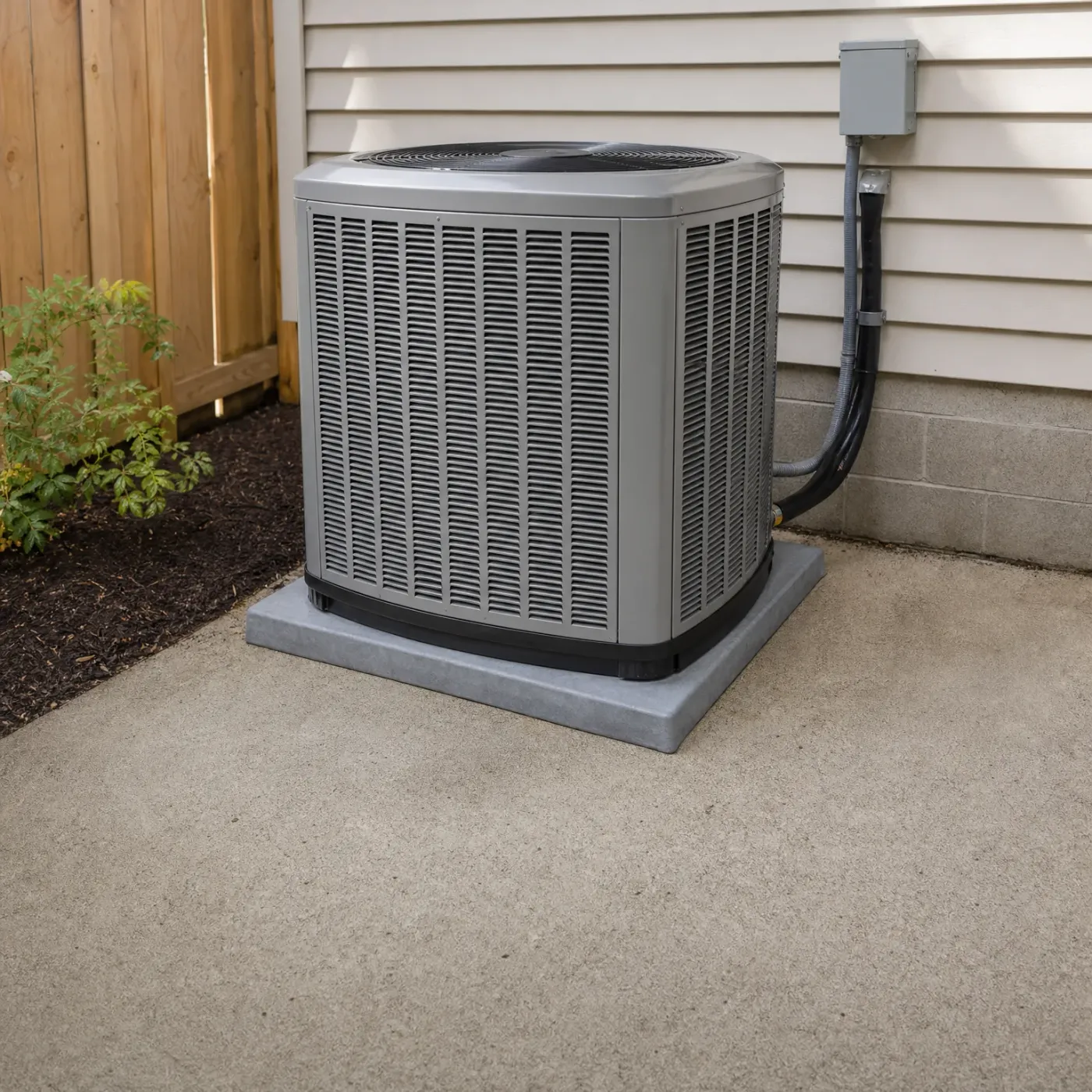
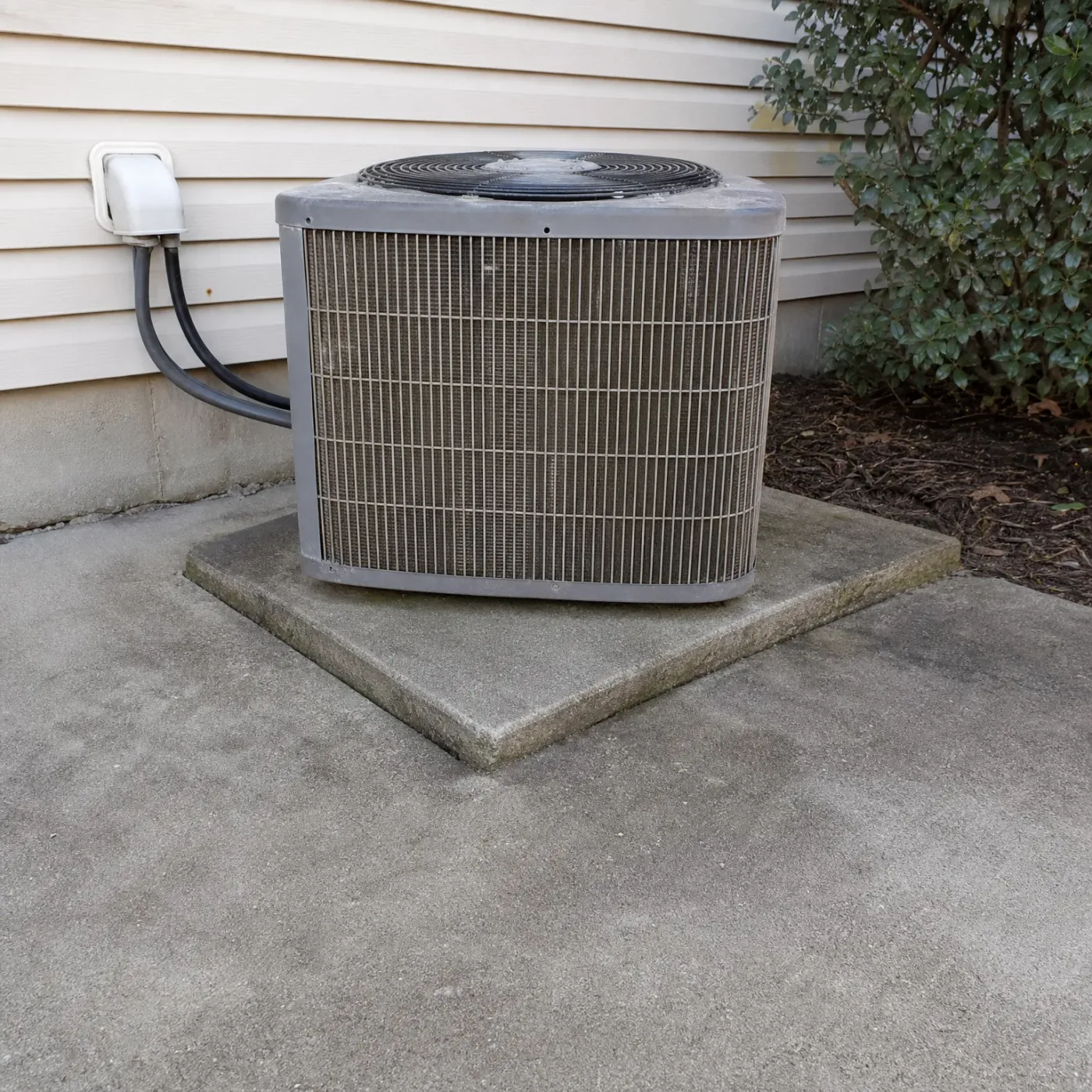
Dirt packed into the fins and grille blocks airflow, so the compressor works harder to move the same heat outside. A two-stage unit in this shape may get stuck running high more often than it should, losing the quiet, steady low-stage run that's the whole point of having it.
At 14 cents a kilowatt-hour, running a two-stage AC on low all afternoon costs less than a single-stage unit slamming on and off at full power. Since that low stage is doing most of the work through a North Carolina summer, the difference shows up on your bill every month, not just in August.
EIA-861 2025 statewide residential average
The thermostat calls for cooling and signals the compressor to start.
The compressor starts on low stage and runs at a gentler speed.
The indoor coil pulls heat and moisture out of the air slowly.
On a hot afternoon, the thermostat calls for more cooling.
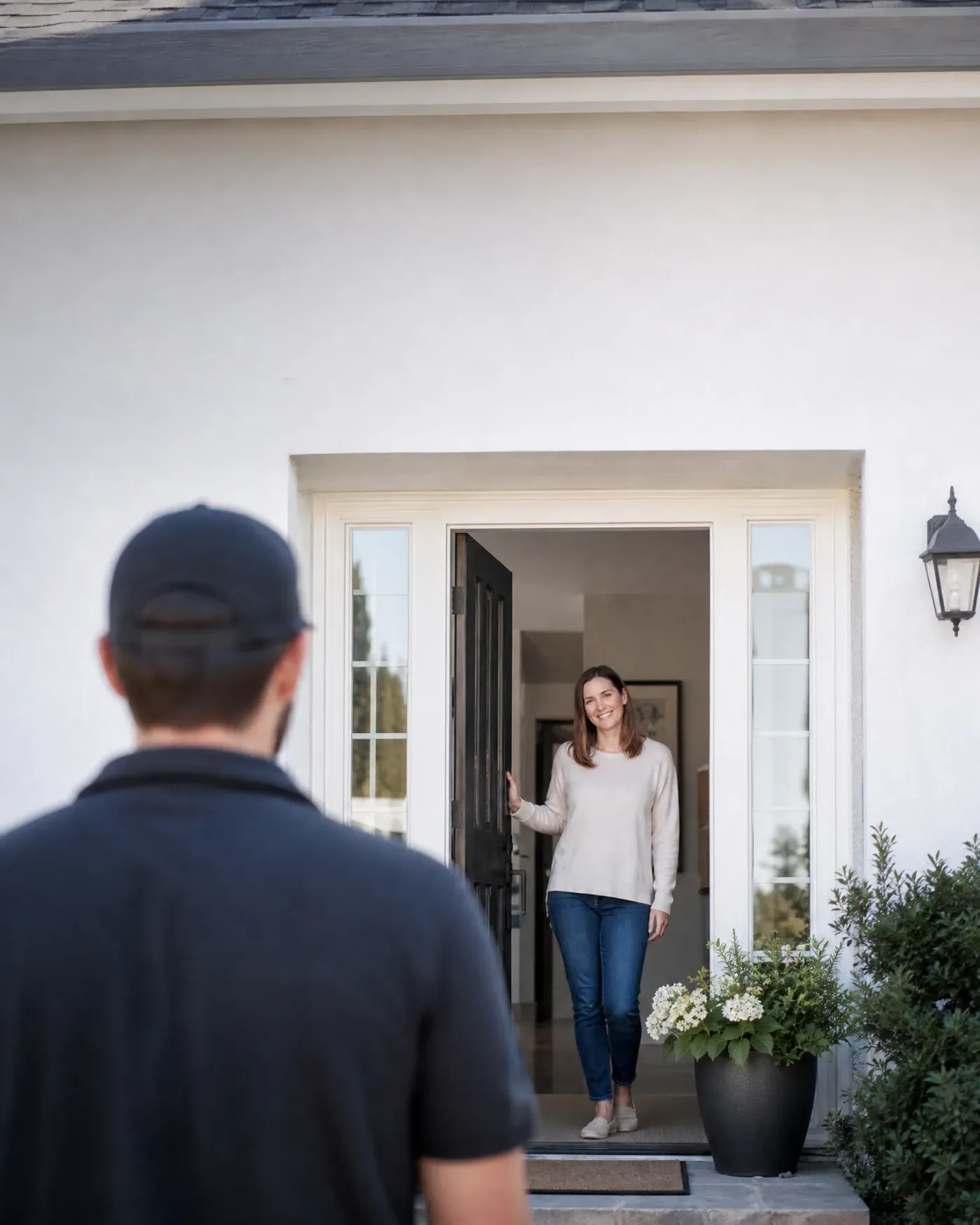
A two-stage air conditioner matches what a North Carolina summer actually asks of it. Long stretches on low, a push to high when July means it, and rooms that hold steady instead of swinging between too cold and too warm. For a house you intend to keep up, that's the system built for how you actually live in it.
If you're ready to look at installing one, the next step isn't figuring out which contractor to call or waiting on hold to ask questions. You'll be matched with a contractor who works on homes like yours in North Carolina, and they'll reach out to you. The finding part is done. What's left is the conversation about your house.

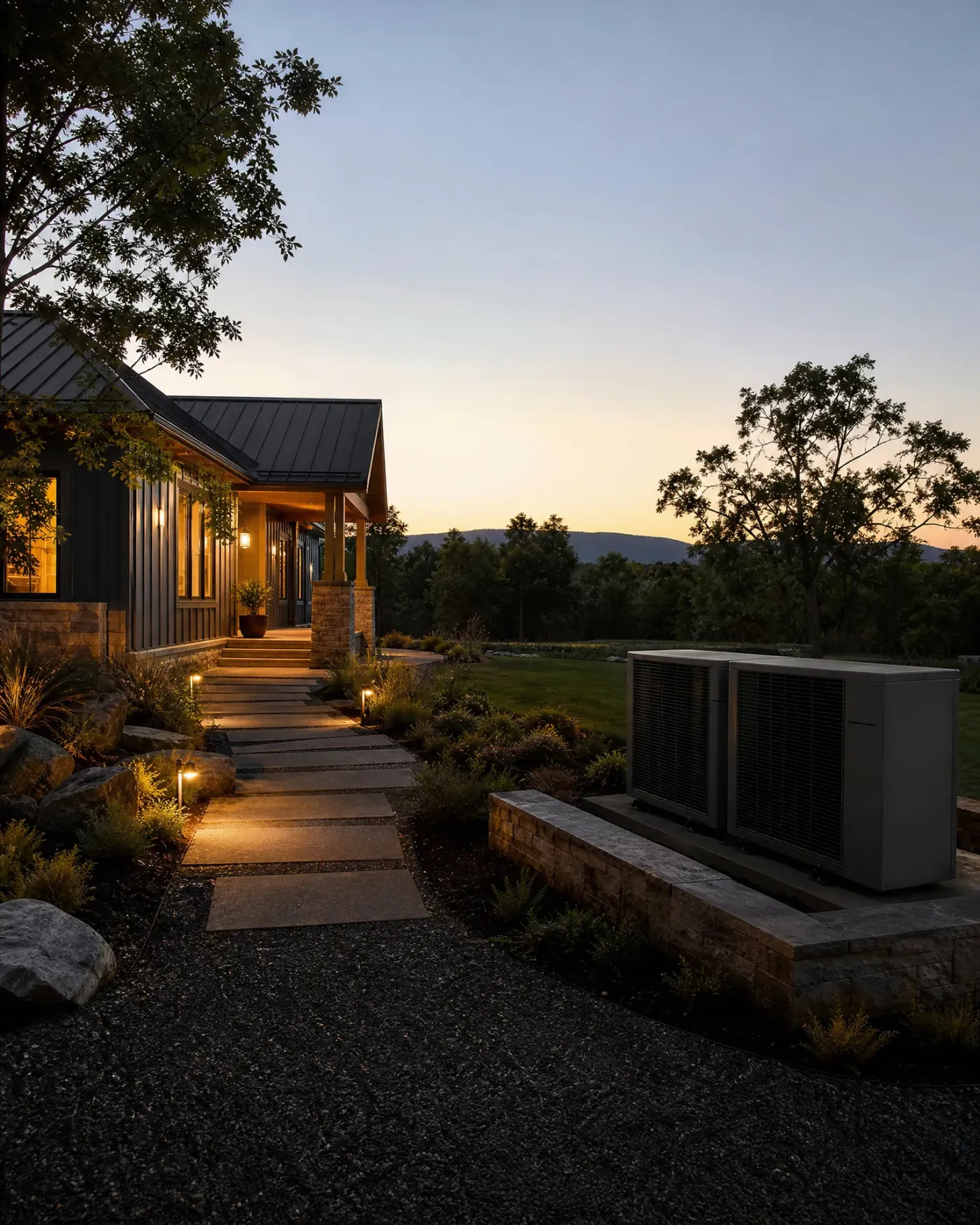
A local pro for your air conditioner installation