


A unit that's kept clear
The coil fins are clean and the cage is open, so air moves through the way it was built to. In July and August, that matters more, since the unit runs for hours at a stretch to keep up.
R-410A, the refrigerant in most home air conditioners, is being phased out under federal rules. New AC units sold now use R-32 or other replacement refrigerants instead. The change is happening because R-410A has a high global warming impact, and the EPA is requiring manufacturers to move to refrigerants that don't carry that same impact. For you, this mostly matters if your current system needs a major repair or you're buying a new unit. Older AC units built for R-410A can still be serviced and that refrigerant is still legal to use in existing systems. But new equipment coming off the line now is built around the newer refrigerants, which run at different pressures and need different parts. In a state where the AC runs hard for much of the year, getting a system installed correctly for the refrigerant it uses matters more than usual, since a mismatch shows up quickly in how well it cools.
R-410A production and import drop under the EPA phasedown schedule
Manufacturers stop building new R-410A air conditioners for sale
Dealers sell remaining R-410A units until that stock runs out
New installs use R-32 or another approved replacement refrigerant




Check the nameplate on your outdoor unit. If it says R-410A, that's what's running through it right now, and that's fine. A system installed in recent years almost certainly uses it. The signs worth watching are the same ones that always mattered: warm air coming from the vents, ice on the copper line running to the house, or the unit cycling on and off more than it used to. None of that means the refrigerant itself is a problem. North Carolina summers push any AC hard for months at a stretch, and a unit low on charge or losing efficiency will struggle to keep up on the hottest days, which shows up as higher bills and a house that doesn't quite cool down. That's wear, not the phase-out, and it's worth having looked at either way.

R-410A sits in the air for about 2,000 years once it escapes, and it holds far more heat than carbon dioxide does over that time. That is the number driving the phasedown, not a safety issue inside your home. A leak from an old unit does more to the atmosphere than the same leak would from new equipment. R-32 breaks down in the air in about a decade, which is the whole reason the industry is moving to it.
Every outdoor condenser has a metal nameplate, usually on the side or back of the cabinet, listing the refrigerant it was charged with at the factory. If yours says R-410A, a licensed contractor can still get refrigerant for it today. That same tag lists the model and serial number, which a contractor will want before quoting a repair or a new install, since the right refrigerant and the right size matter more than the brand on the front panel.
You're thinking about a new AC now, before the old one fails outright, so you don't get stuck matching parts in a hurry. But most homes here have a furnace or an air handler and a coil that were sized and wired to work with the old unit. If the new outdoor unit runs on R-32 instead of R-410A, you want to know whether it will actually work with what's already in the attic or closet.
The outdoor unit and the indoor coil have to be matched to the same refrigerant. An R-32 condenser won't work safely with an old R-410A coil, so when you replace one, the other comes with it. The furnace or air handler itself is a separate piece of equipment. It moves air, not refrigerant, so it doesn't need to change just because the refrigerant does. A licensed contractor checks the furnace's blower and ductwork against the new coil and condenser before the install, since those still have to move the right amount of air across it. In a lot of homes here, that means a new condenser and coil, with the furnace staying put.
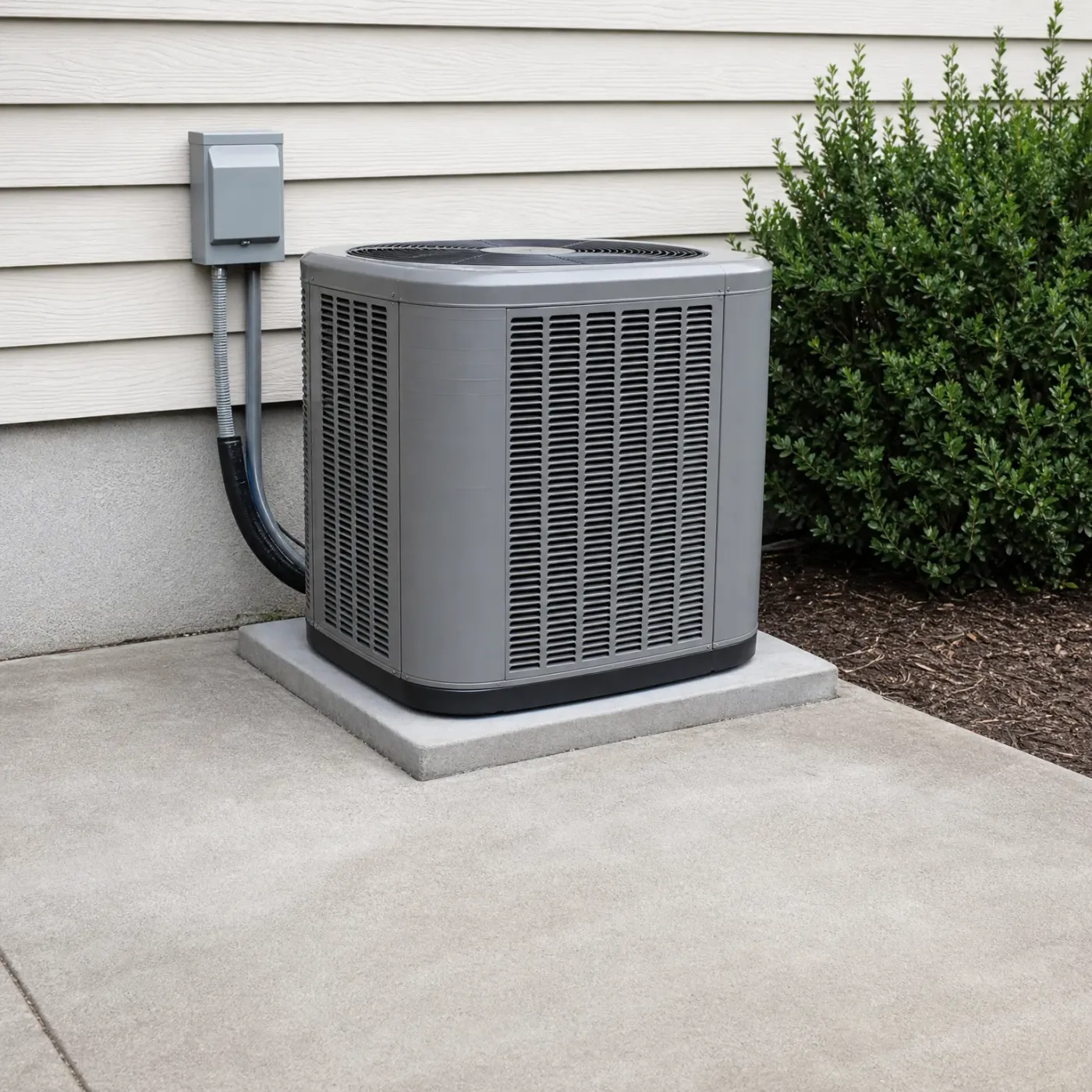
The coil fins are clean and the cage is open, so air moves through the way it was built to. In July and August, that matters more, since the unit runs for hours at a stretch to keep up.
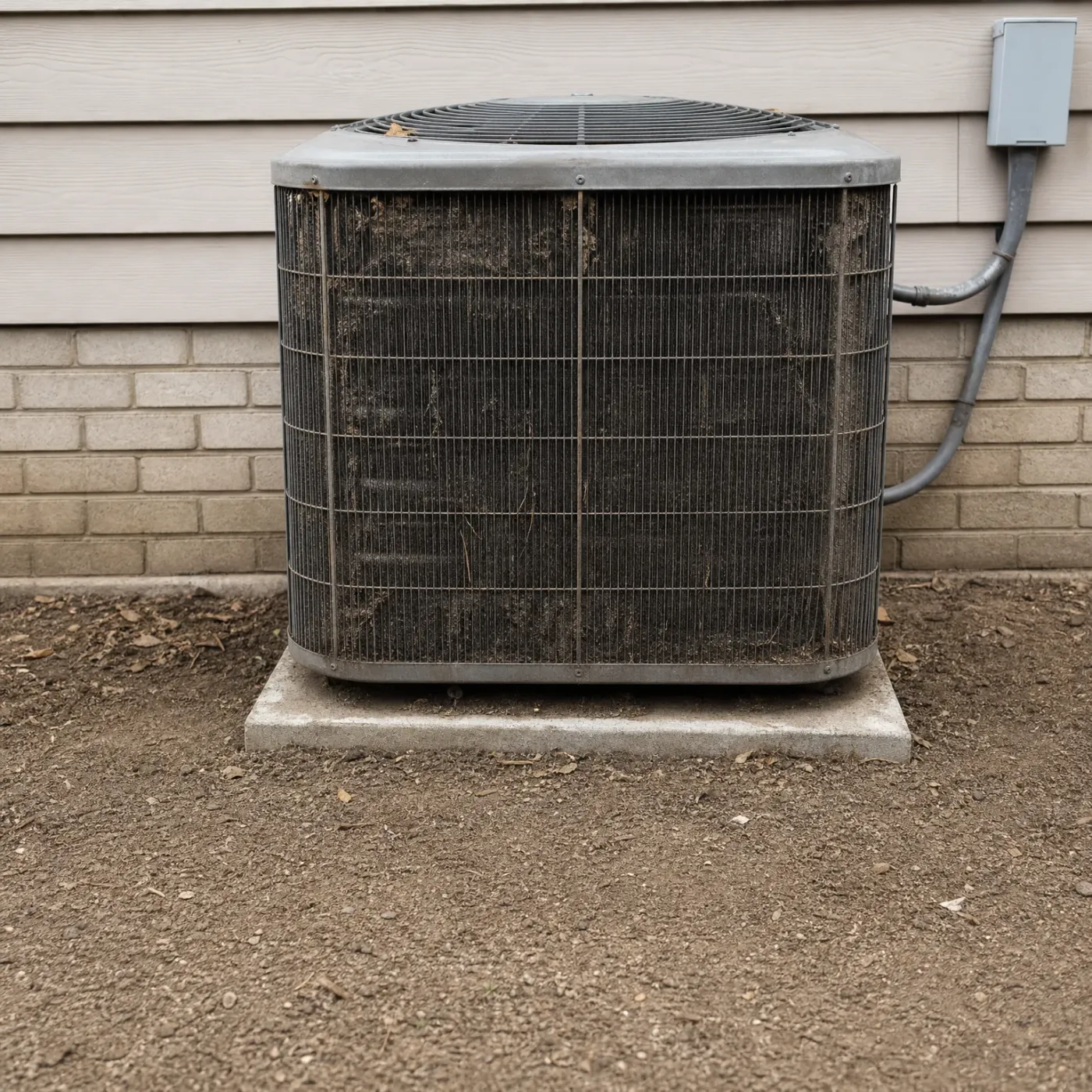
Dirt packed into the fins blocks airflow across the coil, so the system works harder to move the same heat out of your house. Left like this through a Carolina summer, it strains parts that would otherwise last.
At 14 cents a kilowatt-hour, your air conditioner's cost comes down to how hard it has to work. A unit that's clogged or low on refrigerant pulls more power for the same cooling, and in a sticky North Carolina summer, that runs up fast. A new unit sized and installed right keeps that number from creeping higher.
EIA-861 2025 statewide residential average


One installer gets your project, so there's no bidding war over it.
There's no charge for the request.
The dew point across North Carolina averages 67°F through June, July and August, according to NOAA climate data. That's the number that makes the air feel heavy instead of just warm. Your air conditioner has to pull that moisture out before the house feels dry and cool, and that takes more run time than dropping the temperature alone. On a muggy stretch you'll notice the unit cycling less and running longer instead, sometimes most of the afternoon without shutting off. A new system has to be sized for that load, not just for the square footage, or it'll run long and still leave the house feeling damp.
NASA POWER T2MDEW county cells weighted by homes

If your outdoor unit is old enough that it's starting to struggle in August, the phase-out changes the calculation. You can still get it repaired. But if it needs to be replaced instead, the replacement will run on R-32 or another approved refrigerant, not R-410A, and that's a different piece of equipment with different parts and different install requirements than what a contractor would have put in five or ten years ago.
That's not a reason to panic about a unit that's running fine. It's a reason to have someone who installs these systems regularly look at what you have before it fails on the hottest week of the year. A licensed contractor working in North Carolina sees both refrigerants in the field right now and knows which parts and procedures the new systems call for. Getting matched with one local contractor, rather than fielding calls from several, means one visit, one straight answer about your specific unit, and no guesswork about whether the replacement fits your house.

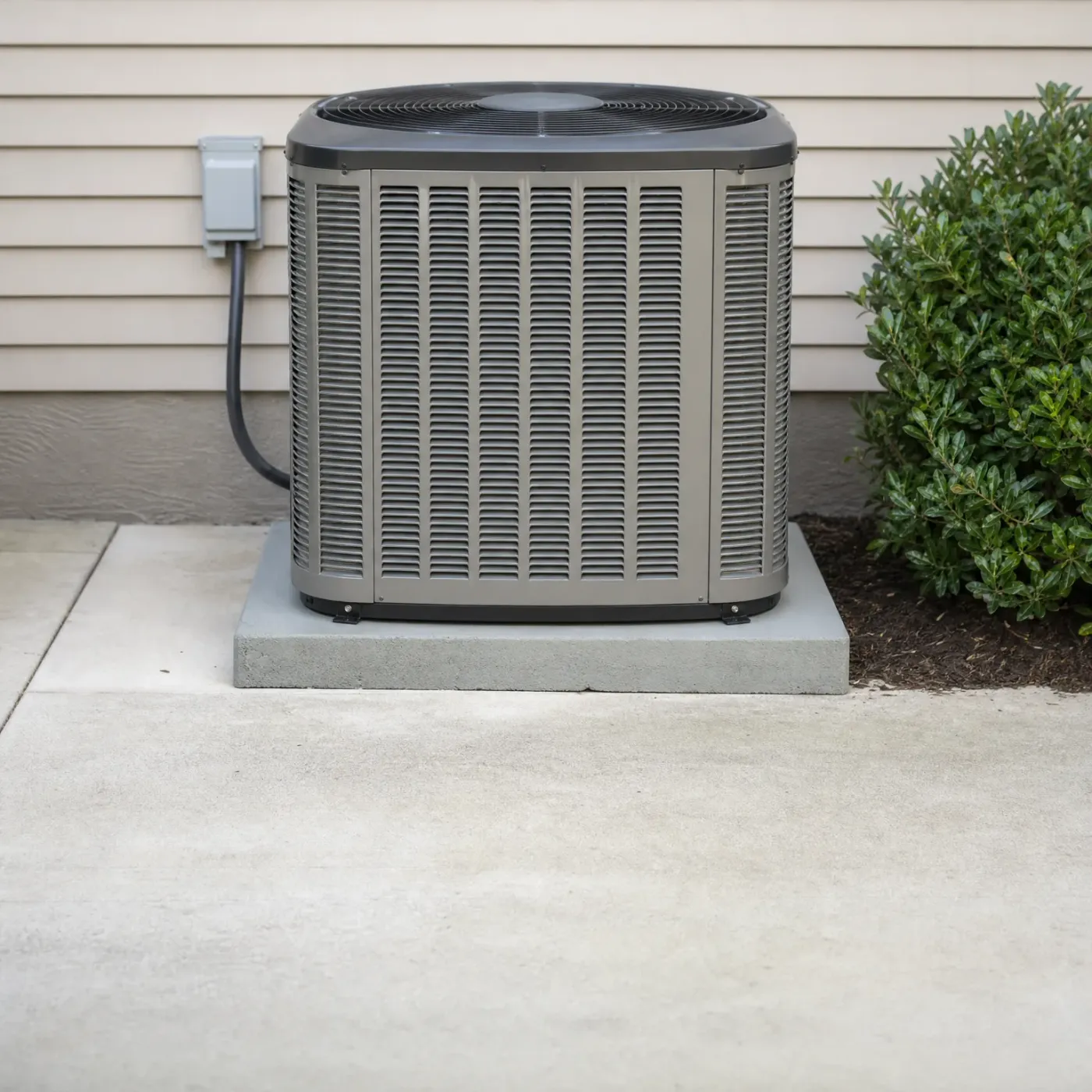
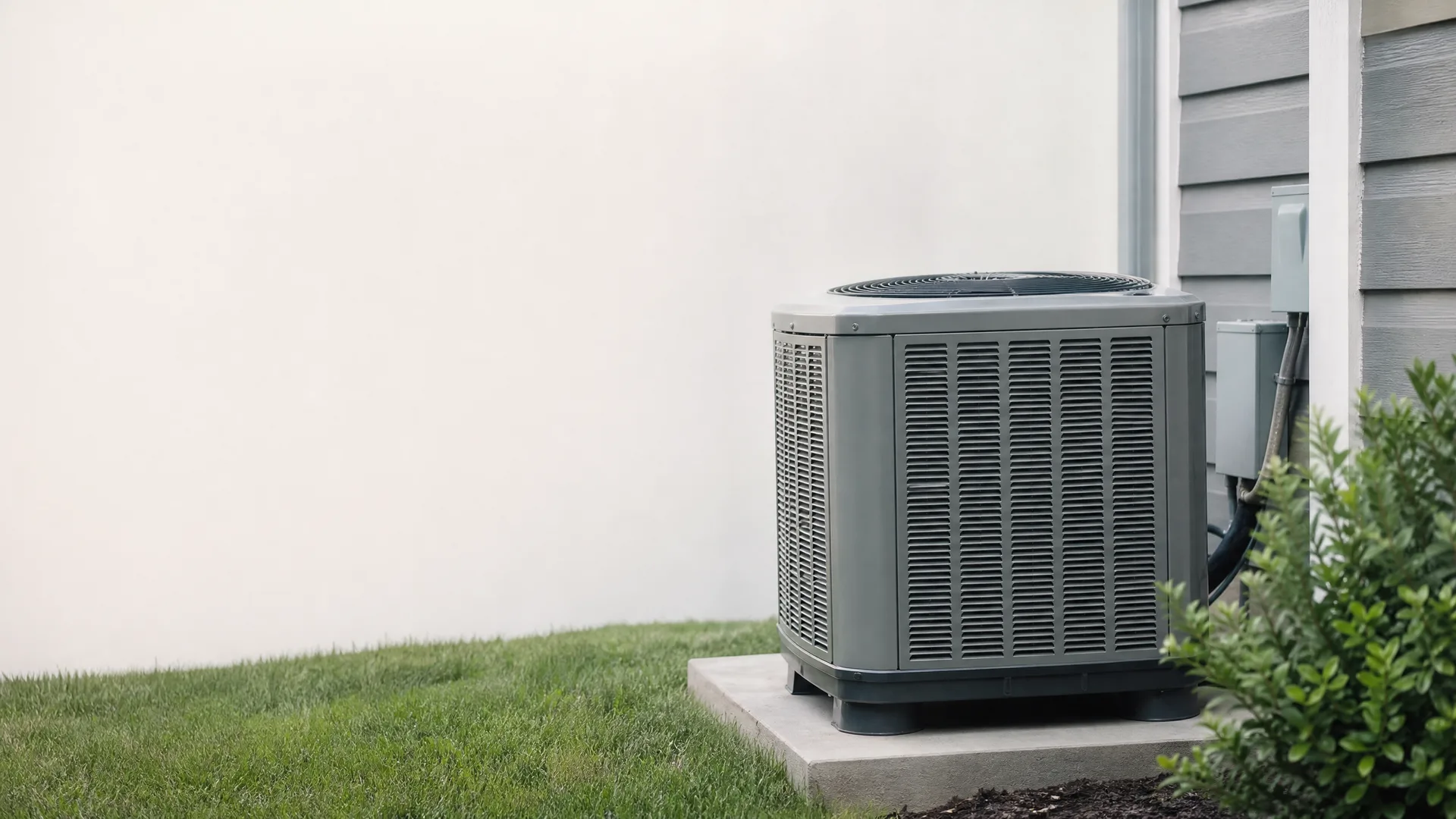
This is a unit doing its job. The pad is clear, the disconnect box is wired neatly into the siding, and nothing is blocking airflow around the cabinet. A unit set up and maintained like this is the kind a contractor can keep running on R-410A for years, parts and refrigerant permitting.
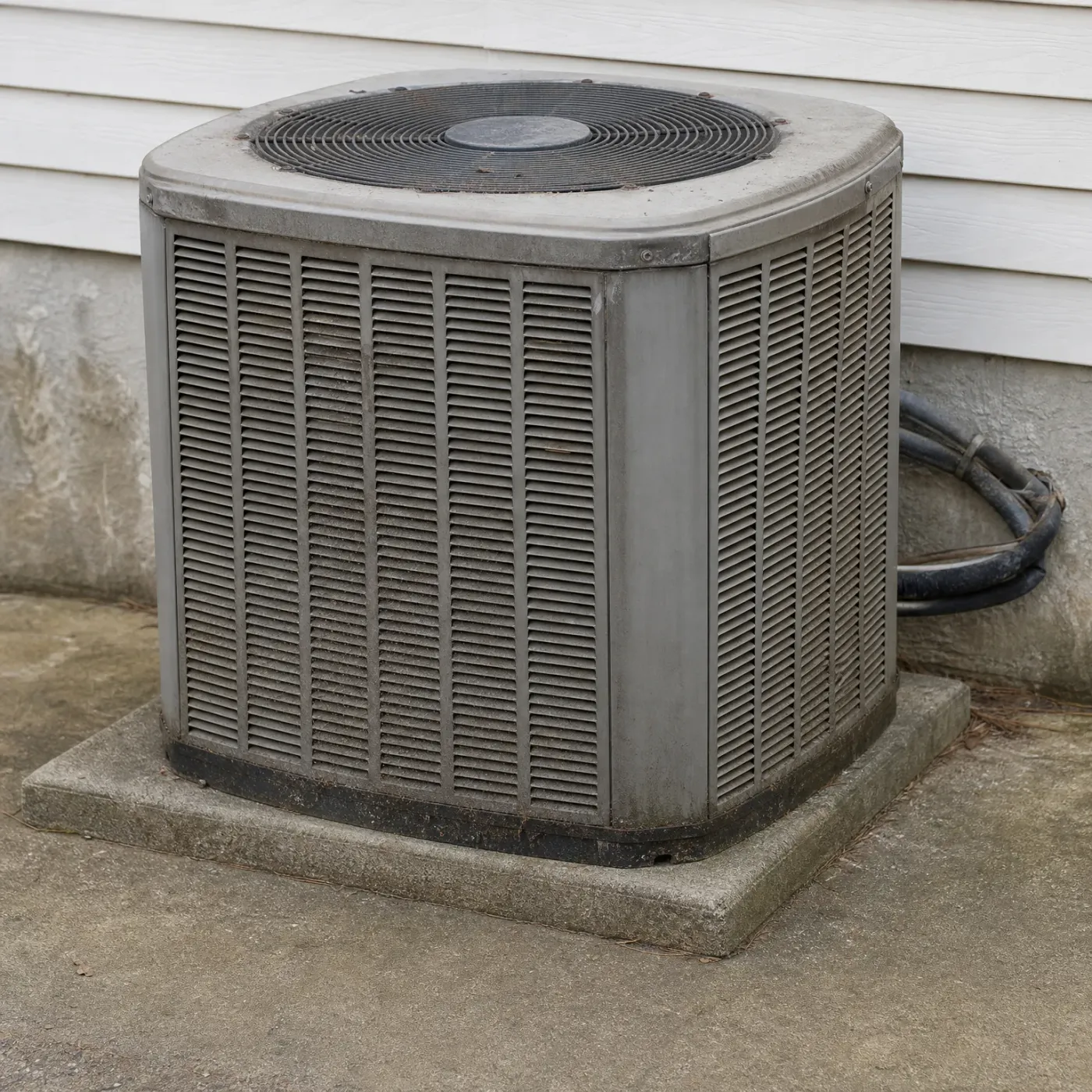
Years of weather have taken the finish off the panels and left grime packed into the fan grille. An older unit like this is more likely to be near the end of its life anyway, and if it needs major repair now, the shrinking R-410A supply is one more reason replacement may make more sense than fixing it again.
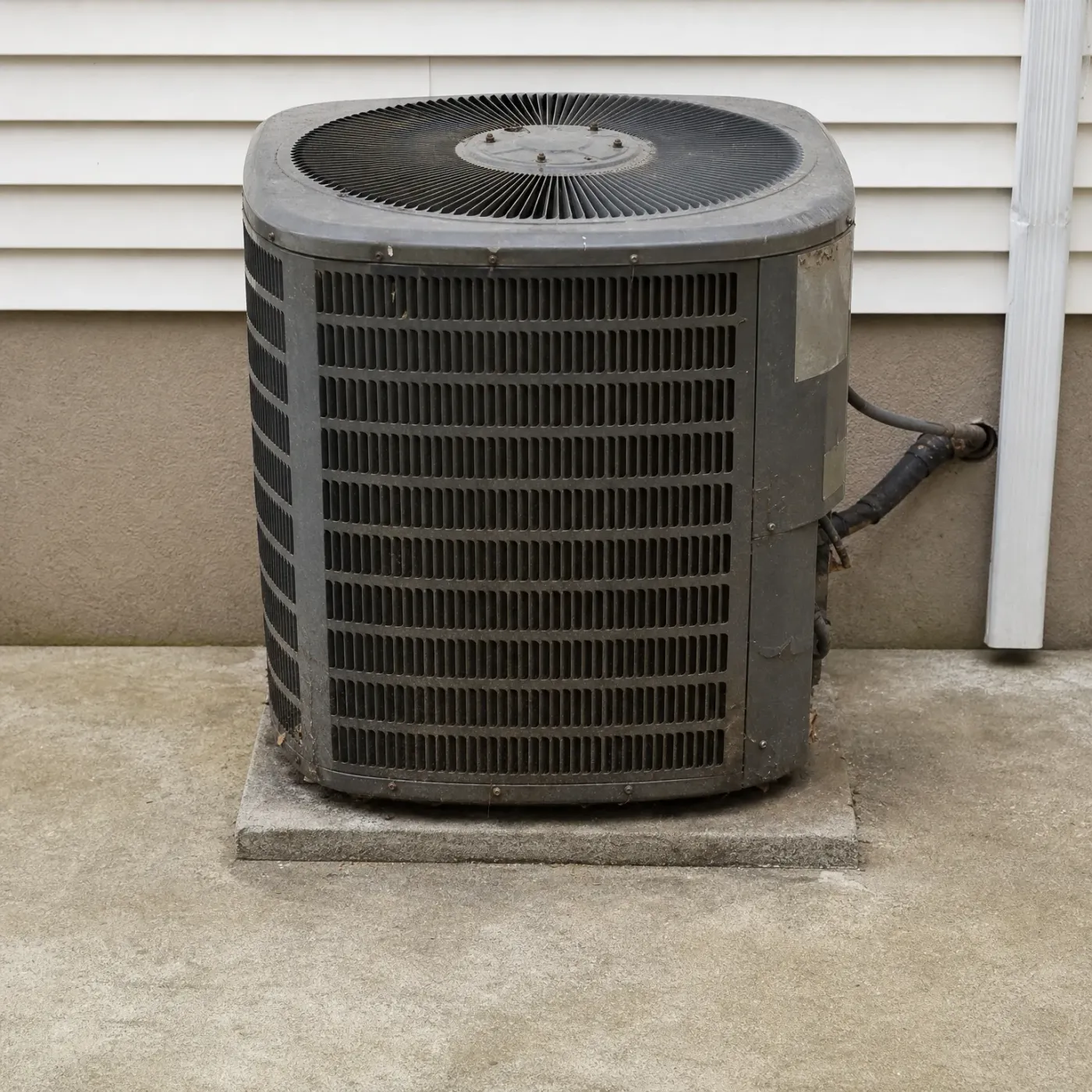
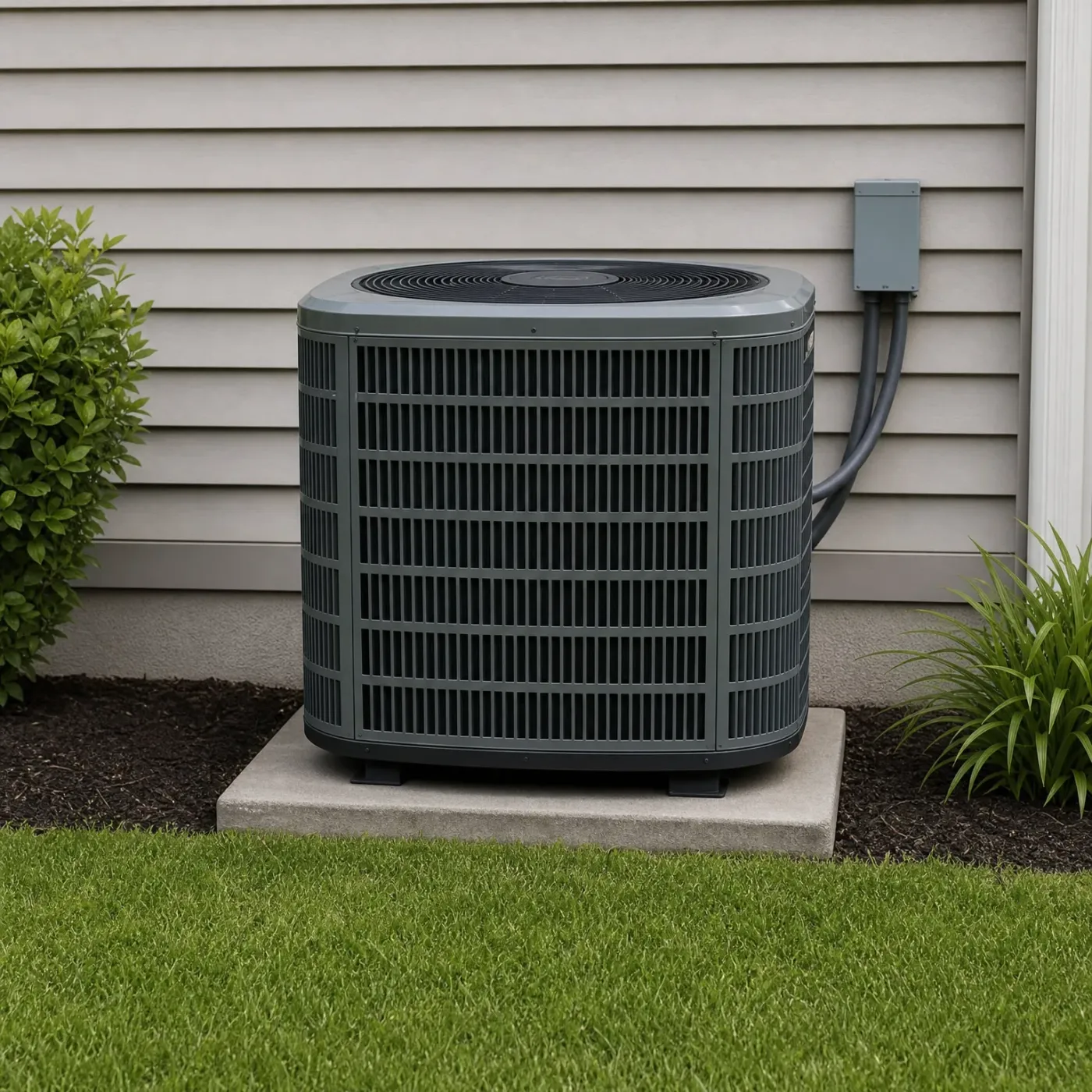
R-410A isn't disappearing from homes that already have it. The phase-out is about what gets built going forward, not what's running in your yard right now. If your unit is working, it keeps working, and a licensed contractor can still repair and service it the same as always. The shift only matters when you're actually facing a replacement, and even then it's not complicated. The new unit will use R-32 or another approved refrigerant, and it still has to be matched correctly to the furnace or air handler and coil already sitting in your house. That's a job for someone who installs these systems for a living, not a guess.
What you need is someone local who sees R-410A units every summer here, the ones still going strong and the ones that are done, and knows the difference without a long back and forth. That's the kind of call this leads to: one contractor, licensed to work in North Carolina, who looks at your specific unit and tells you straight whether it's worth repairing or whether replacement is the better move. Not three companies competing for your number. One assessment, from someone who already knows what tends to fail on these systems after a few sticky summers.
The refrigerant your AC uses today doesn't change what it does this August. What changes is what's available when you eventually need something new.





Your request goes to one pro, not a list of companies.
You only hire the pro if you want to.