Doing its job
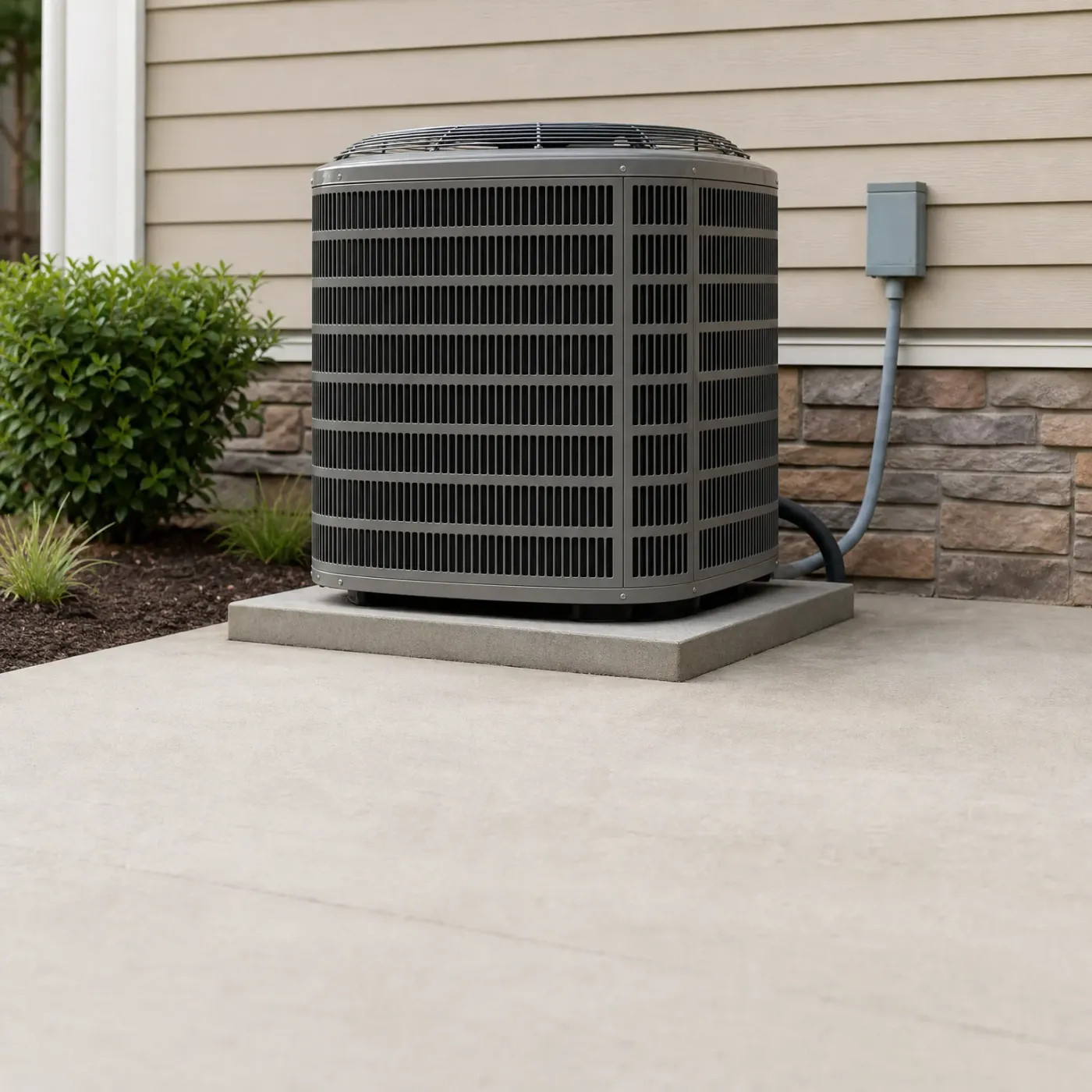
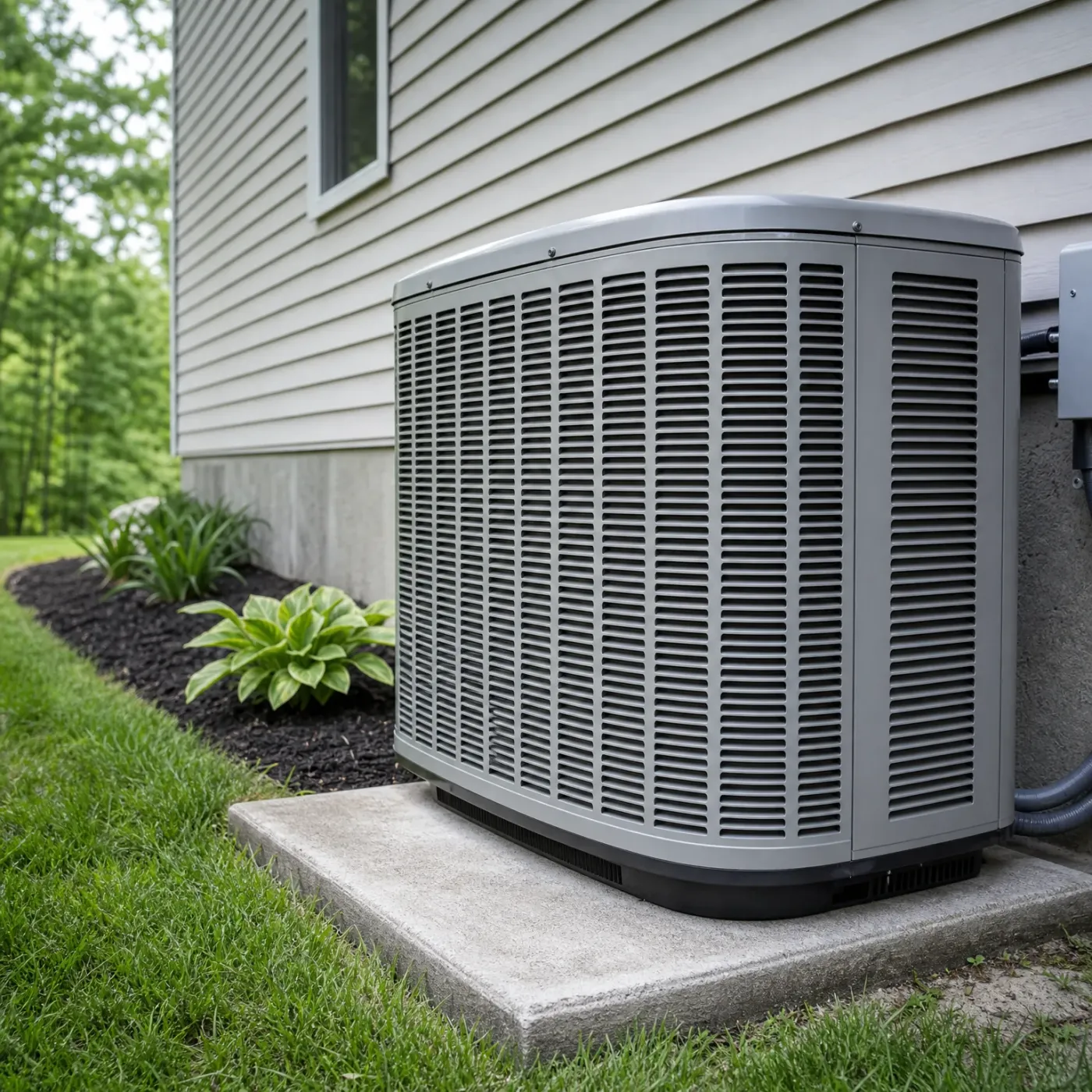
The condenser sits clean on its pad, grille clear, line running up to the disconnect without a mark on it. Nothing blocks the airflow around it, and it only has to move heat, not fight through dirt and leaves to do it.
Your AC is sized for a typical hot day, not for the stretch of 90 and humid days North Carolina gets most summers. When the air outside is heavy with moisture, the system has to pull that moisture out before the house feels cool, and that takes time the thermostat doesn't account for. If the unit is also low on refrigerant, has a dirty coil, or the fan motor is weak, it loses even more of its capacity right when it needs all of it. A system that cooled fine in May can fall behind in July and August because the load on it has grown and nothing about the equipment changed to match. By the time you notice the house isn't getting below 78 or 80, the system has likely been working harder than it should for weeks. Left alone, that strain tends to end in a bigger repair or an early replacement rather than fixing itself once the weather breaks.




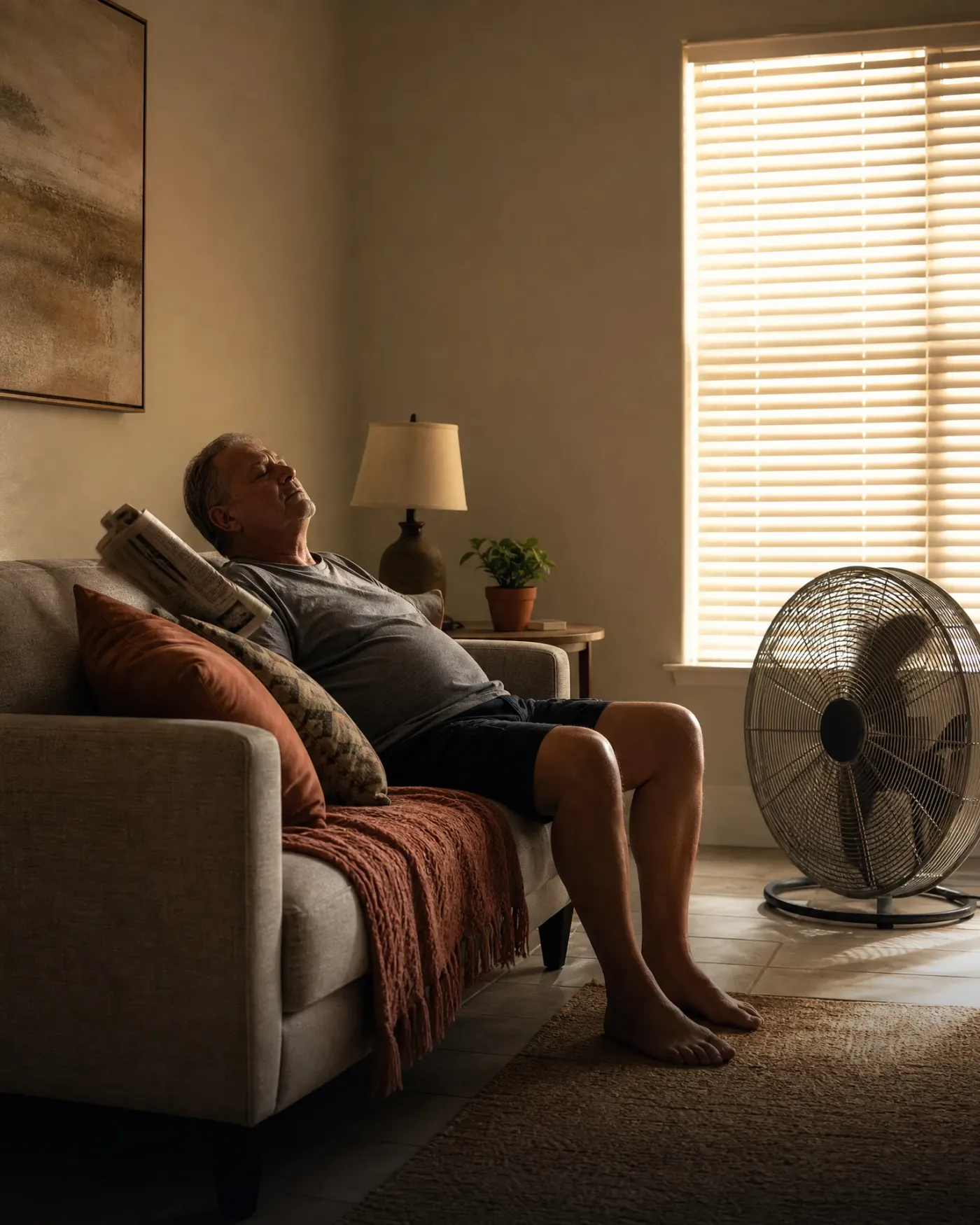
You keep checking the thermostat and it never moves. The air coming out of the vents feels cool enough, but the house stays warm from the kitchen to the bedrooms, and by evening the unit is still running the same as it was at noon. It feels like the system is working hard and losing ground anyway.
A central AC does two jobs at once: it cools the air and it pulls moisture out of it. On a muggy North Carolina afternoon, the coil spends most of its cycle wringing water out of the air passing over it before the thermostat sees any drop in temperature. That's normal on a humid day. What isn't normal is a system that runs for hours and the house never gets comfortable at all. That points to something working against the system, like a dirty coil that can't pull heat out of the air anymore, a refrigerant charge that's too low to keep up, or a unit that was undersized for the house when it was installed. A technician who works on these systems every summer can tell the difference by checking the coil, the charge, and the airflow, not by guessing from the thermostat reading.
Summer air here holds a lot of moisture. NOAA puts the average dew point at 67°F across June, July and August, and anything above 65 feels sticky even when the temperature itself seems manageable. Your AC has to wring that moisture out of the air before the house feels dry, and that takes extra run time on top of just cooling things down. That's why the thermostat can read 72 and the house still feels damp, why the air off the vents feels cool but doesn't feel dry, and why the unit keeps cycling through the evening instead of shutting off. On a dry 90-degree day the same system would keep up fine.
NASA POWER T2MDEW county cells weighted by homes
Your request stays with one local pro.
A local pro who knows air conditioners gets your details and gets in touch.
You only hire the pro if you want to.
You check the thermostat and the number barely moves. The upstairs bedrooms stay warmer than the living room no matter what you set it to. The unit kicks on in the morning and you still hear it running at dinner. Some days the air at the vent feels only a little cool, not cold, and the house feels damp even with the system working. A few homes notice water around the indoor unit, or a musty smell in rooms that stay shut most of the day. Left alone through a full North Carolina summer, a system straining like this tends to wear out parts faster and run up your electric bill doing it.
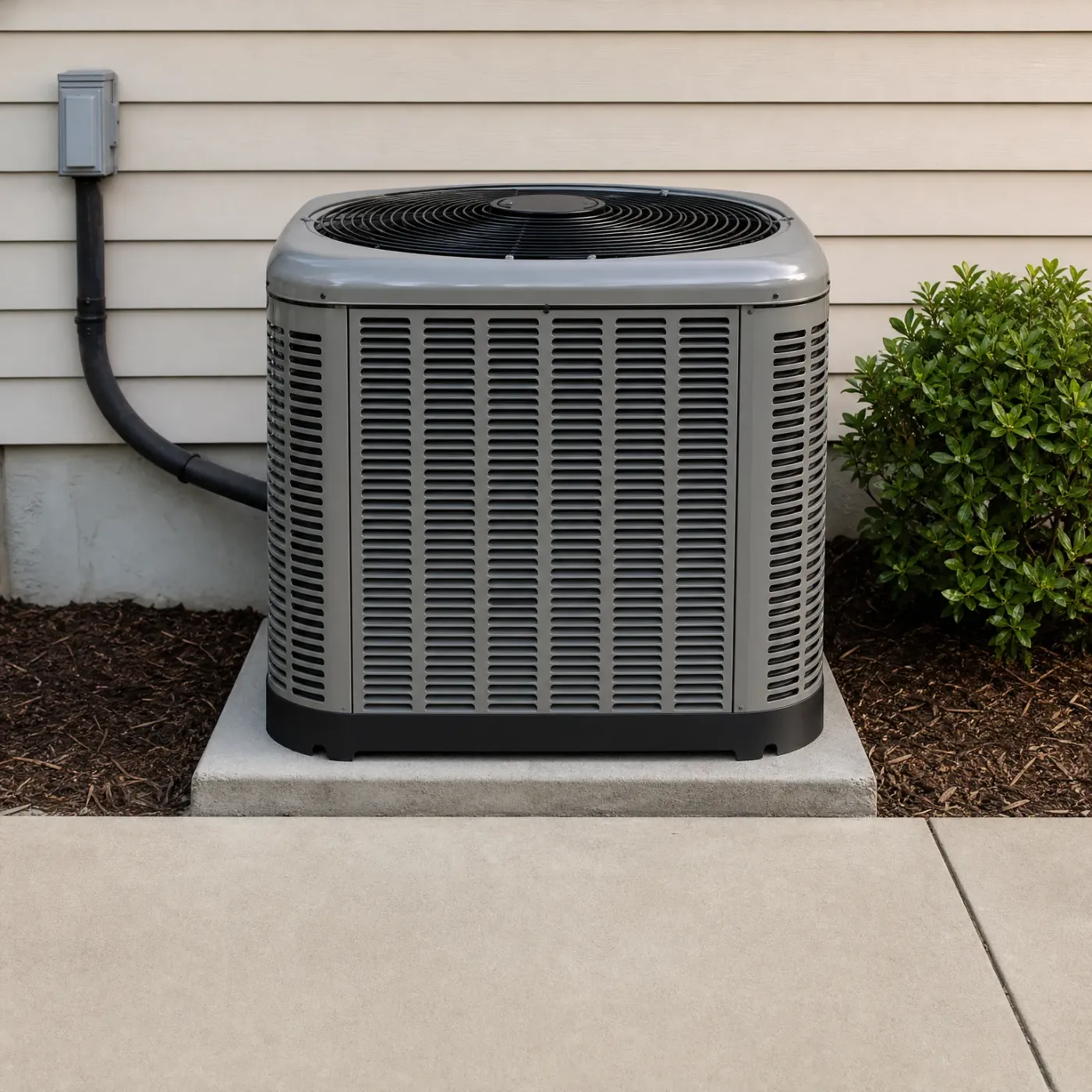
The condenser sits clean on its pad, grille clear, line running up to the disconnect without a mark on it. Nothing blocks the airflow around it, and it only has to move heat, not fight through dirt and leaves to do it.
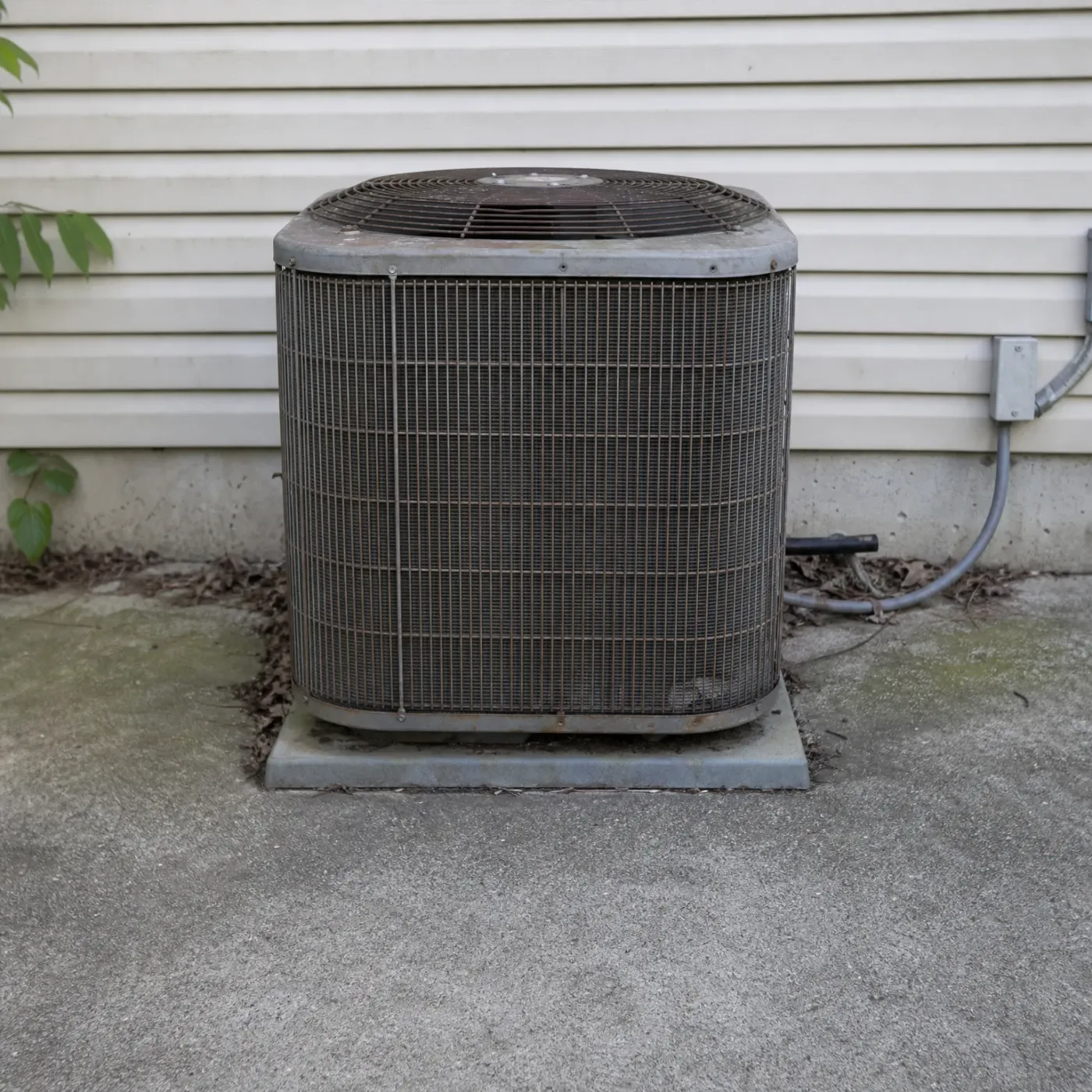
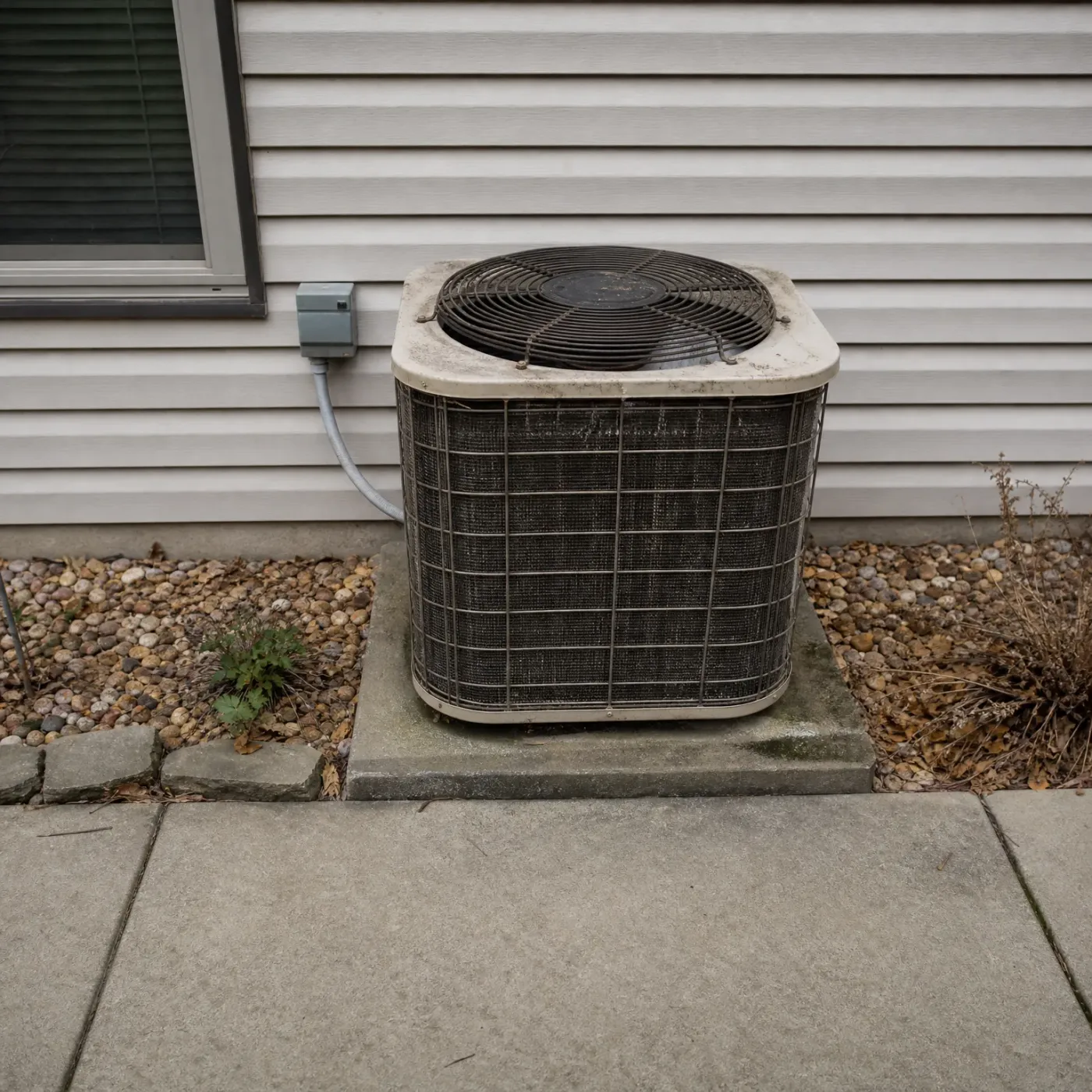
Years of pollen and yard debris have packed into this grille, and leaves have piled up against the base. A coil caked like this can't shed heat the way it needs to on a 95 degree day, and the compressor inside works harder for less cooling.


That's the average across a North Carolina summer. Above 65 feels sticky, and your AC has to pull that moisture out before the house feels cool at all.
A system sized for an average hot day falls behind once the air turns heavy and stays that way for weeks, not hours.
At 14 cents a kilowatt-hour, a struggling AC costs you more than a healthy one. When the compressor has to run longer to chase a temperature it can't reach, every one of those extra hours shows up on next month's bill, not just the discomfort.
EIA-861 2025 statewide residential average
None of this means your unit is finished. It means something specific inside it, a weak capacitor, a low charge, a coil caked with dirt, is losing the fight against North Carolina humidity, and that part can be found and fixed. The system was sized for a typical hot day. Weeks of 90 degree afternoons with heavy air aren't typical, they're just what summer here does, and that gap is where the strain shows up first as short cycling or uneven rooms, then as a bill that climbs along with the runtime. A contractor who works on this equipment every summer in this area has already seen which parts give out under that kind of load and in what order. That's different from a national chain working off a checklist. You get matched with one licensed contractor local to you, someone who sees this exact strain on equipment all summer, not a list of companies bidding for the job. One contractor means one visit, one assessment, one answer about what's actually wrong, instead of sorting through competing quotes while the house stays warm. The point of having it looked at isn't to replace a system that's merely old. It's to find out whether what's failing is a single part doing its job poorly, something that gets fixed and stops being a problem, or a sign the unit is actually done. Either way, you stop guessing room by room and start knowing, before the next stretch of hot, sticky days finds the weak point for you.
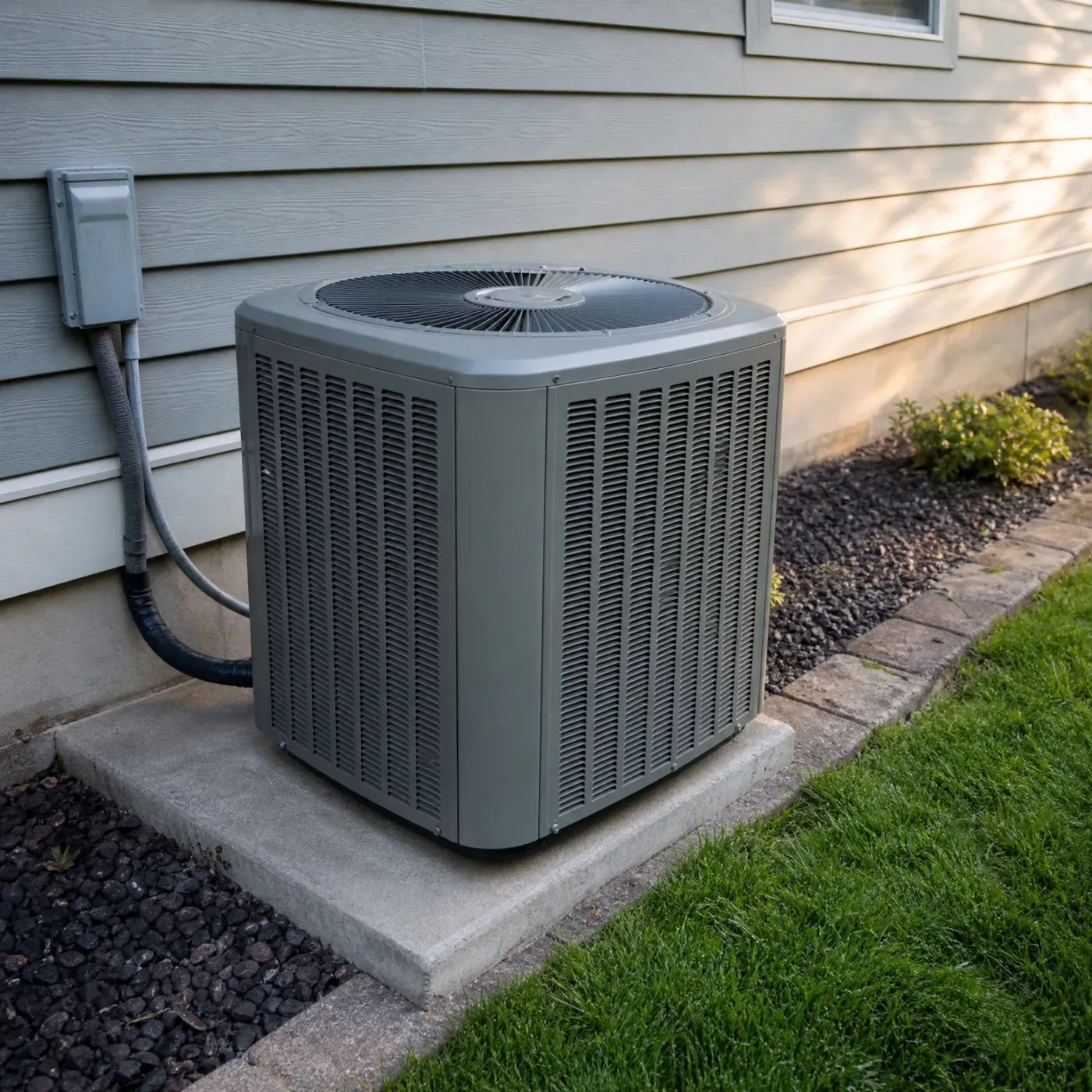
The pro who reaches out is licensed in North Carolina.
No fee to send it, and nothing to sign.