
Why your AC compressor won't kick on in North Carolina
Why won't my AC compressor turn on in this heat?
A hot stretch in North Carolina is exactly when you need the outdoor unit to run, and instead it's sitting there silent, the indoor fan maybe blowing but nothing happening outside. When the compressor won't start, the heat builds fast inside, and you want to know whether this is something simple or something that's about to get expensive.
Most often a failed capacitor or a tripped safety switch
The compressor needs a strong jolt of power to start spinning, and that jolt comes from a run capacitor. When the capacitor weakens, the compressor hums or clicks but never turns over, and that happens more in the hottest stretch of summer because the unit works harder and the strain on that part is worse. A tripped high pressure switch can do the same thing, shutting the compressor down to protect it when the system is overloaded. Either way, running the unit over and over won't fix it and can burn out the compressor itself, which costs far more to replace than the capacitor or switch that failed first.
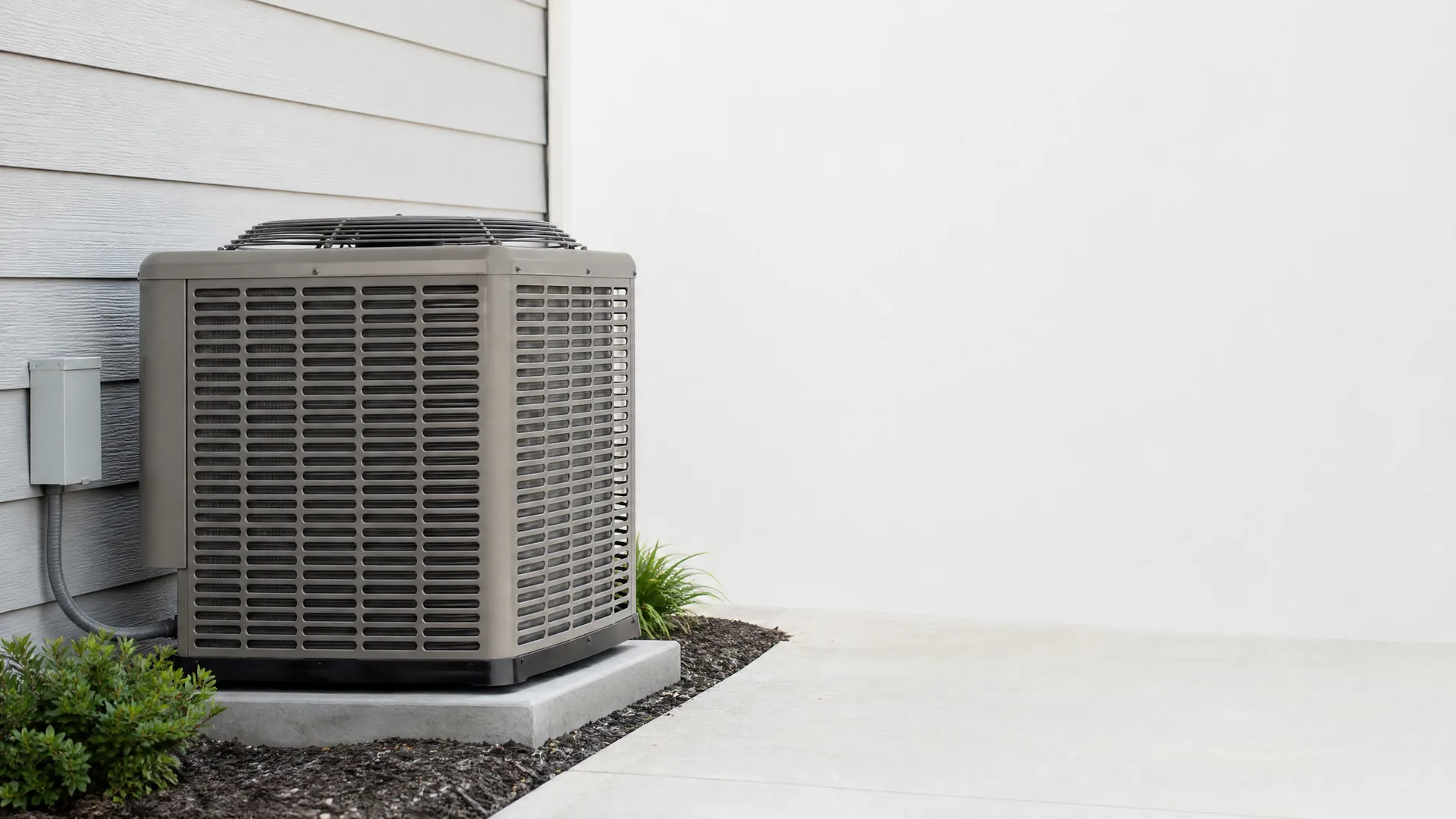
The outdoor unit has its own safety switch
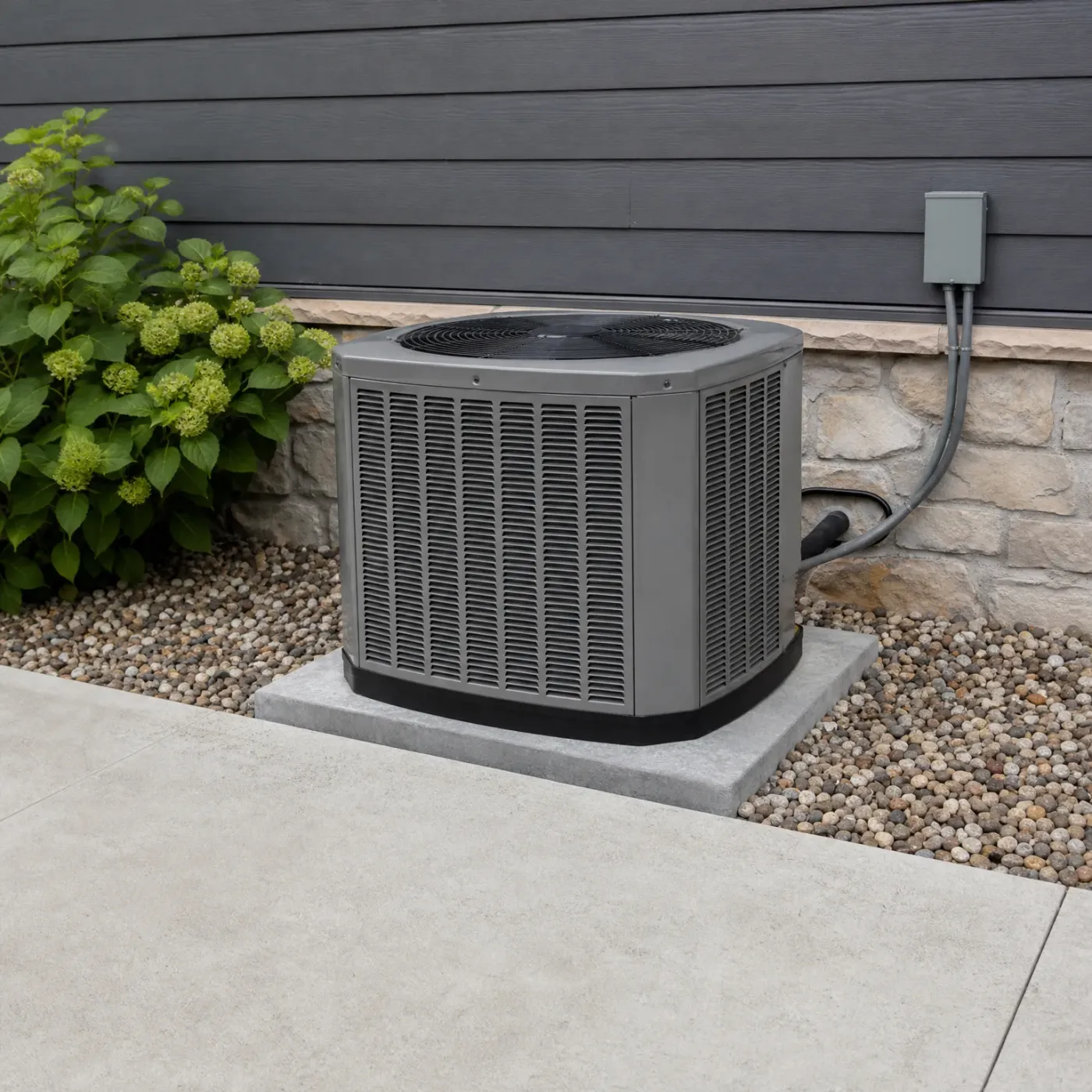
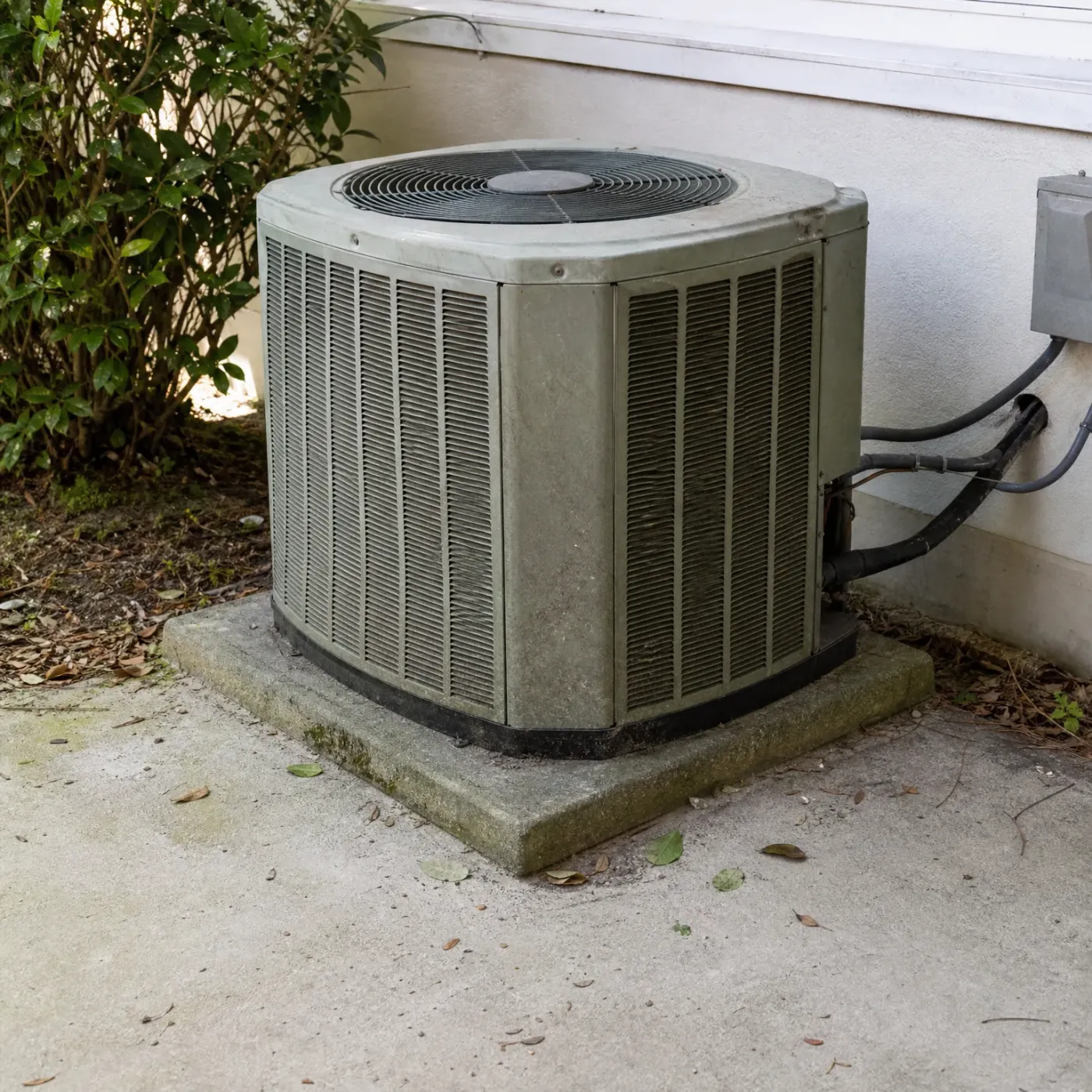
That outdoor unit has a float switch or a high pressure switch wired into the circuit that tells the compressor to start. If the switch senses a problem, pressure too high, a drain pan filling up, it holds the compressor off on purpose. The indoor fan can keep running because that's a separate circuit. A contractor checks these switches first, because a tripped one is often a quick fix, not a failed compressor.
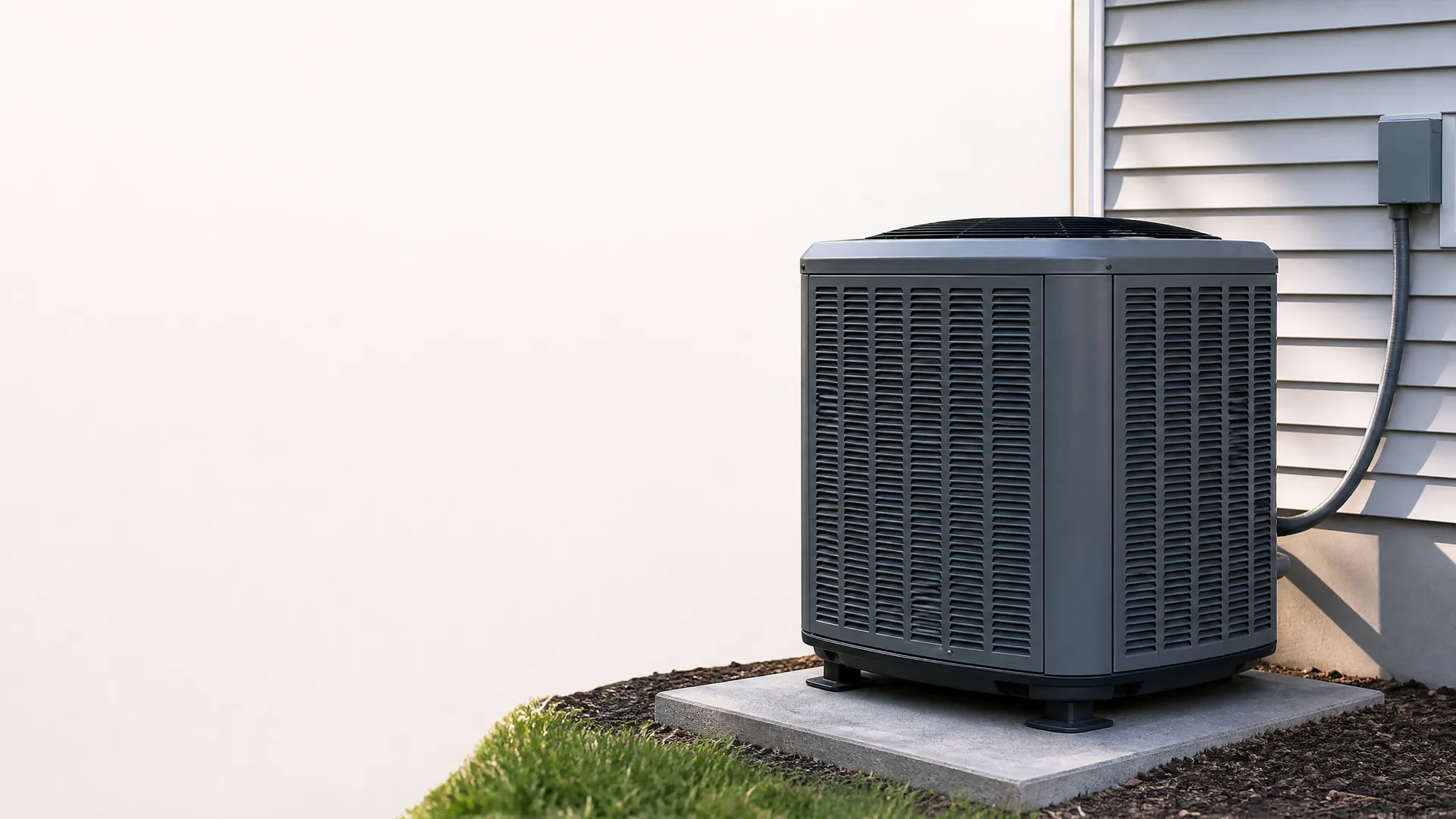
A weak capacitor can't give it the push
A compressor needs a jolt from a start capacitor to get moving, then the run capacitor keeps it going. In North Carolina heat, with the unit cycling on and off for hours at a stretch through a muggy afternoon, that capacitor wears down faster than it would in mild weather. When it weakens enough, the compressor hums or does nothing at all. Swapping a capacitor is routine work, but only after someone confirms that's actually the part at fault.

You're stuck inside with the heat climbing
When the compressor won't start, the indoor fan keeps moving air but it's room-temperature air. In a North Carolina summer that means the house climbs fast, and it keeps climbing until the outdoor unit runs again. A window unit or a few fans might get you through an afternoon. A full day like that is harder, especially with anyone home who doesn't do well in the heat.
Most homes here heat with electricity, so you already know the panel that controls the AC. If the compressor stays off long enough while the fan keeps running, that's wasted electricity with nothing to show for it, and the longer it sits the more you wonder what else it's affecting. Finding the right contractor, getting someone on the phone, explaining the same thing twice. Send this instead and that part stops being yours to manage.





Wait It Out or Get It Looked At
Wait it out
- If the outdoor unit tripped on a high pressure switch, it can reset on its own once things cool down, sometimes at the breaker too.
- You lose nothing by checking the thermostat batteries and the breaker first, since either one can look like a dead compressor.
- The indoor fan keeps running while you wait, so the air moves even though it isn't getting cooled.
- If the unit is short cycling or buzzing without starting, waiting usually means the same problem repeats within hours.
- A refrigerant or electrical problem behind a tripped switch doesn't fix itself, so the unit can trip again the next time it tries to start.
- The house keeps climbing the whole time the compressor sits idle, and in a North Carolina summer that adds up fast.
Get it looked at
- A contractor can read the safety switch and tell you whether it tripped on high pressure, a clogged drain, or something electrical.
- Getting the outdoor unit running again stops the house from climbing any further once the repair is made.
- You hand off the part you don't want to deal with yourself: finding someone, calling around, explaining what the unit is doing more than once.
- A capacitor or contactor that's failing can be found and replaced before it strands the compressor completely.
- Once the form is sent, finding the right person for the job isn't something you have to sort out on your own anymore.
- A unit that's tripped once on a safety switch is worth checking before the next hot stretch asks it to run all day again.

Thermostat calls for cooling and sends power to the contactor.
The contactor closes and sends power to the compressor.
The capacitor gives the compressor the jolt it needs to start.
A safety switch checks pressure before the compressor is allowed to run.
What you're probably noticing right now
The outdoor unit is quiet. No hum, no click, nothing turning outside, while the indoor fan keeps running like everything's fine. Put your hand near the supply vent and the air coming out feels no cooler than the room. The thermostat might say 72 but the house reads warmer than that, and in a North Carolina summer that gap grows fast. Some people notice the breaker for the outdoor unit tripped, or the outdoor fan isn't spinning either. Left alone, the house keeps climbing through the afternoon heat, and anyone inside sensitive to high temperatures, a baby, an older adult, someone with a health condition, feels it before the thermostat number tells the whole story.
Average dew point across North Carolina in June, July and August runs 67°F, according to NOAA climate data. That's thick, heavy air, the kind that sits on your skin instead of drying off. Your outdoor unit is built to wring that moisture out of the air it pulls in, and the condenser has to work through it to dump the heat your house is shedding. When the compressor won't start on a day like that, the air isn't just warm, it's wet, and it builds fast indoors with nothing moving outside to stop it. Send in the details once and the search for someone qualified to look at that outdoor unit is off your plate.
NASA POWER T2MDEW county cells weighted by homes
It's off your list after this
You've already checked the breaker and the thermostat batteries, and the outdoor unit is still sitting there quiet. From here the problem is inside the contactor, the capacitor, or that safety switch, and none of those are things you can see from the back patio. Finding out which one means finding a contractor licensed to open that unit up, and on a sticky North Carolina afternoon that usually means calling two or three places, sitting on hold, describing the same silent compressor each time, then lining up whatever quotes come back while the house keeps climbing. Sending this request instead hands that whole search to someone else. You stop being the one chasing availability and start waiting on a call back about your unit specifically. The heat inside doesn't wait for that part, but at least the work of finding who can fix it is no longer sitting on your plate too.
Inside the contactor and capacitor
- The contactor is a small switch with two copper contacts that physically touch to send power to the compressor.
- Those contacts arc a tiny bit every time they close, and over a few summers that pitting can stop them from making contact at all.
- A failing capacitor can still let the compressor hum without starting it, which draws current but spins nothing.
- The high pressure switch sits on the refrigerant line itself and opens the circuit before the compressor can damage itself.
- A stuck relay inside the contactor can weld shut or stay open, and either failure looks the same from inside the house.
- None of these parts show themselves with a smell or a sound you'd notice from the thermostat.
The contactor is the part doing the actual switching. It's a small box with two copper contacts that slap together when the thermostat calls for cooling, and that contact is what sends power out to the compressor. Every time those contacts close they arc a little, a tiny spark each cycle, and after a few summers of that the copper pits and burns. Eventually the contacts can't pass power the way they used to, or they weld themselves shut and never let go. A contactor that's welded shut keeps the compressor running even when the thermostat is satisfied. One that's pitted or stuck open does the opposite: the thermostat calls, the contacts don't close, and the compressor never gets power at all.
The capacitor is a different part with a different job. It stores a charge and releases it to give the compressor motor the jolt it needs to start spinning. A weak or failing capacitor can still send the compressor some power, enough to make it hum, but not enough to actually turn it over. That's a compressor drawing current and going nowhere, which is worse for it than not running at all.
Then there's the high pressure switch, mounted right on the refrigerant line. Its job is to open the circuit before pressure gets high enough to damage the compressor. From inside the house, a welded contactor, a dead capacitor, and a tripped pressure switch all sound exactly the same: quiet.
Power costs 14.00 cents per kilowatt-hour statewide
At 14 cents a kilowatt-hour, running the AC in North Carolina doesn't punish your bill the way it does in some states. That's worth knowing before you let a stuck compressor sit for days to save money. A repair now costs less than you'd guess, and it beats a dead unit in July.
EIA-861 2025 statewide residential average
Call around to a few HVAC companies, explain the same dead-outdoor-unit story to each one, wait for callbacks, then compare quotes before you even get someone out to look at it.
Send the form once and that searching and sorting stops being your problem. A contractor who works on compressors and safety switches gets the details instead.


A compressor that won't start almost always comes down to one of three things: the contactor isn't closing, the capacitor can't deliver the jolt, or a safety switch is holding the circuit open because of pressure or a float. The thermostat and the breaker rule themselves out fast, which is why checking those first matters. Past that point you're dealing with parts sealed inside the unit, and the only way to know which one failed is to open it up and test them. Waiting on a hot stretch in North Carolina to pass on its own works sometimes, if the cause was a pressure trip that clears once things cool. It doesn't work if a part has actually failed, and the unit just sits there quiet while the house keeps climbing. Instead of calling a few companies, repeating the same story about a silent outdoor unit each time, and sitting on quotes to compare, you send the details once. From there, finding someone to open that unit and test the contactor, the capacitor and the switch is no longer something you have to chase down yourself.

Hand off the search today
Asking costs nothing, and the choice to hire stays yours.
A house sitting at 85 degrees for another day isn't saving you anything, it's just letting the heat win while the problem inside that outdoor unit stays exactly what it was this morning.