
Why your AC outdoor fan isn't spinning in North Carolina
Why isn't my AC outdoor fan spinning?
You went outside to check on the unit and the fan on top isn't moving, even though the system is running. In North Carolina summers get sticky fast, and a condenser that isn't moving air outside can't dump the heat it's pulling from your house, so the house starts losing ground on a hot afternoon.
Usually a bad capacitor, a seized motor, or a tripped breaker
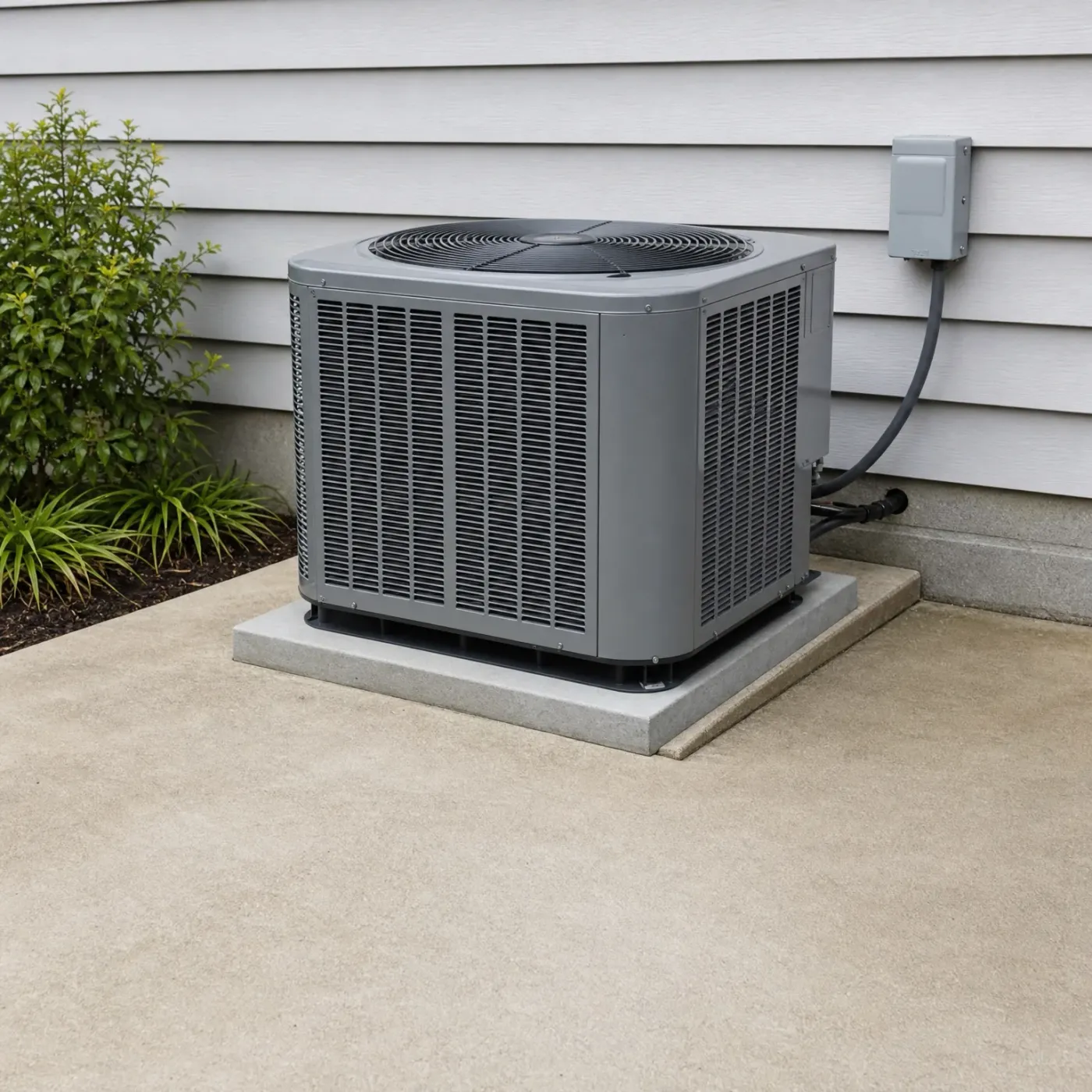
Most of the time the outdoor fan motor is fine but it isn't getting what it needs to start. A capacitor gives the motor its initial push, and once it weakens the motor hums but can't turn. Sometimes the motor bearings themselves have worn out and the shaft has seized. Other times the whole unit lost power from a tripped breaker or a blown fuse at the disconnect box outside. Whatever the cause, the indoor part of your system may keep running while the outdoor unit sits idle, and that means the refrigerant inside isn't being cooled. Left alone, that can push the compressor past what it's built to handle.

Indoor thermostat calls for cooling and starts the system.
Power reaches the outdoor unit through the contactor.
The capacitor should send the fan motor its starting jolt.
A weak capacitor or seized motor keeps the fan still.




Right now the compressor is still running even though the fan on top isn't. That compressor needs air moving across the outdoor coil to get rid of the heat it's pulling out of your house. Without it, that heat has nowhere to go, so it backs up into the system. You'll feel it first at the vents, where the air coming out stops feeling as cold as it should, even though the system never stopped running. Left alone, the compressor keeps working against that trapped heat with no way to cool itself down, and in a North Carolina summer that heat builds fast. A compressor that overheats enough will trip its own safety switch and shut the system down, which is actually the better outcome. The worse one is a compressor that keeps straining through it, day after day, until it fails outright. That's a far bigger repair than whatever is keeping the fan from turning. If you can hear the fan humming but see it sitting still, that's often a capacitor that's partly gone. Until someone looks at it, turning the system off at the thermostat is the safer move.
What a Still Fan Costs You
- A compressor that keeps running while the fan sits still can trip its overload protection and shut the whole system down.
- Heat that should be leaving through the outdoor coil backs up, so the air coming from your vents warms up even with the system running.
- A compressor working without the fan to cool it can wear out well before it should, which costs far more to replace than a fan motor.
- Running the system this way for days in a North Carolina summer gives the compressor no break from the heat building up around it.
- A fan that hums but doesn't turn often points to a capacitor that still has some charge but not enough to start the motor turning.
- Shutting the system off at the thermostat until someone looks at it protects the compressor while you wait.
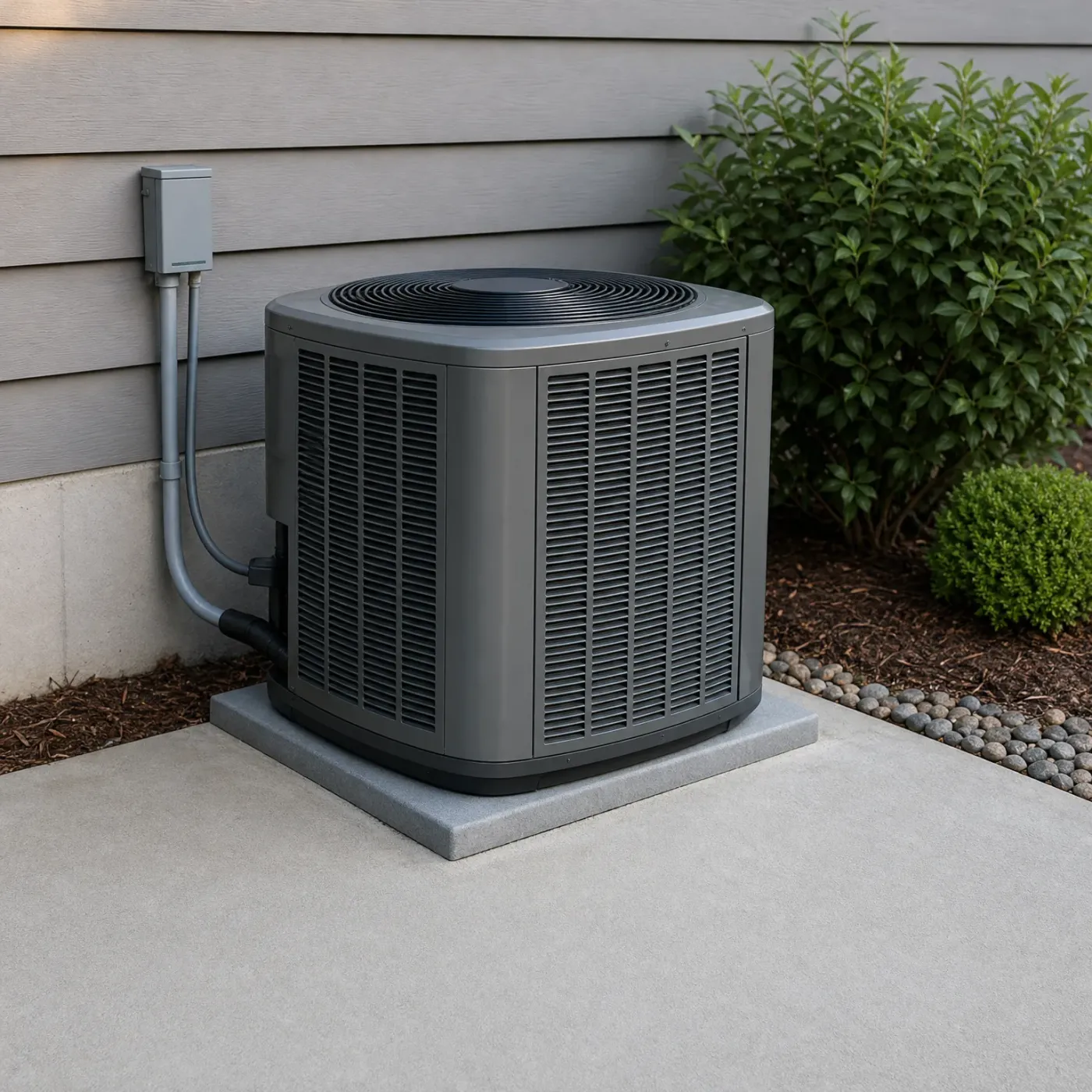
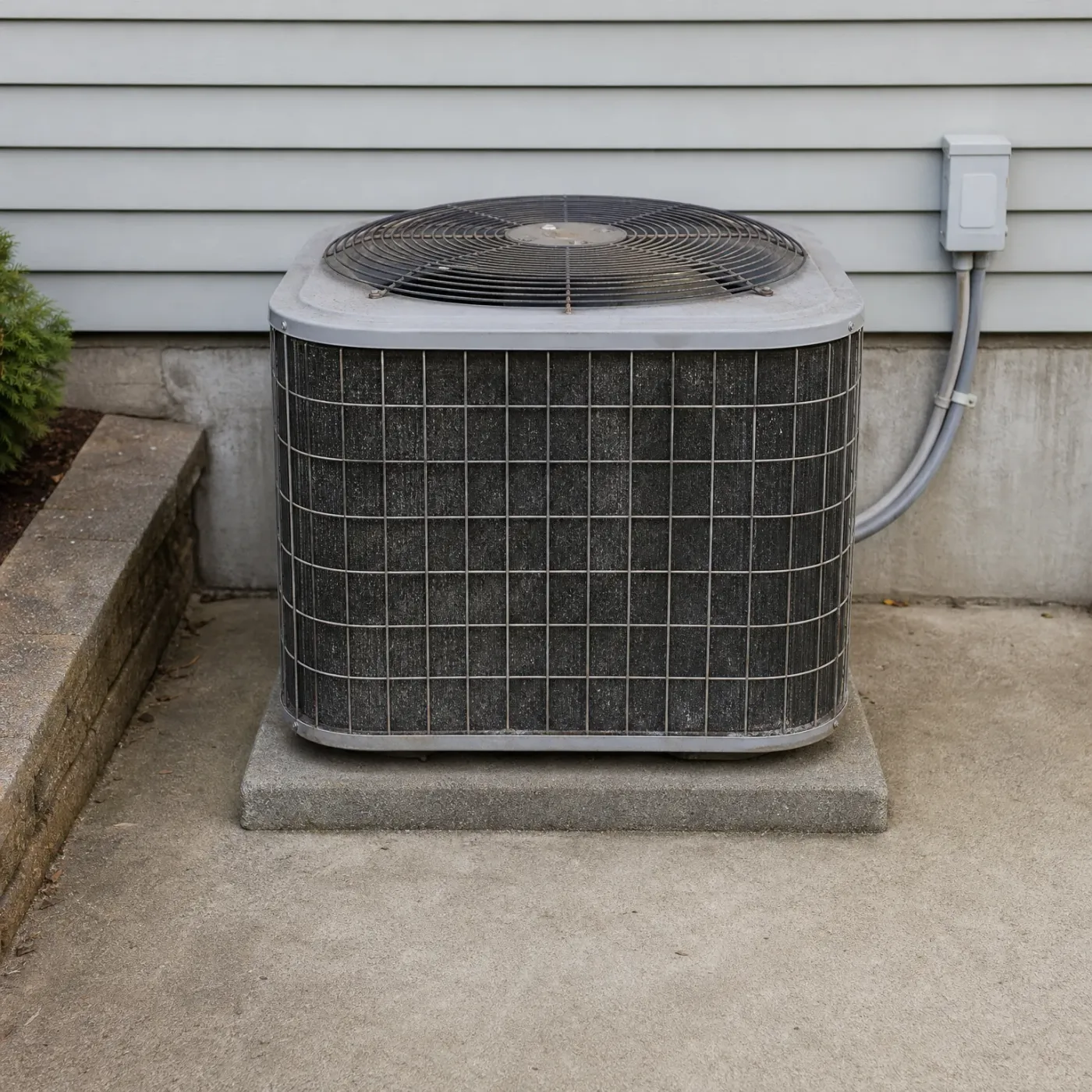
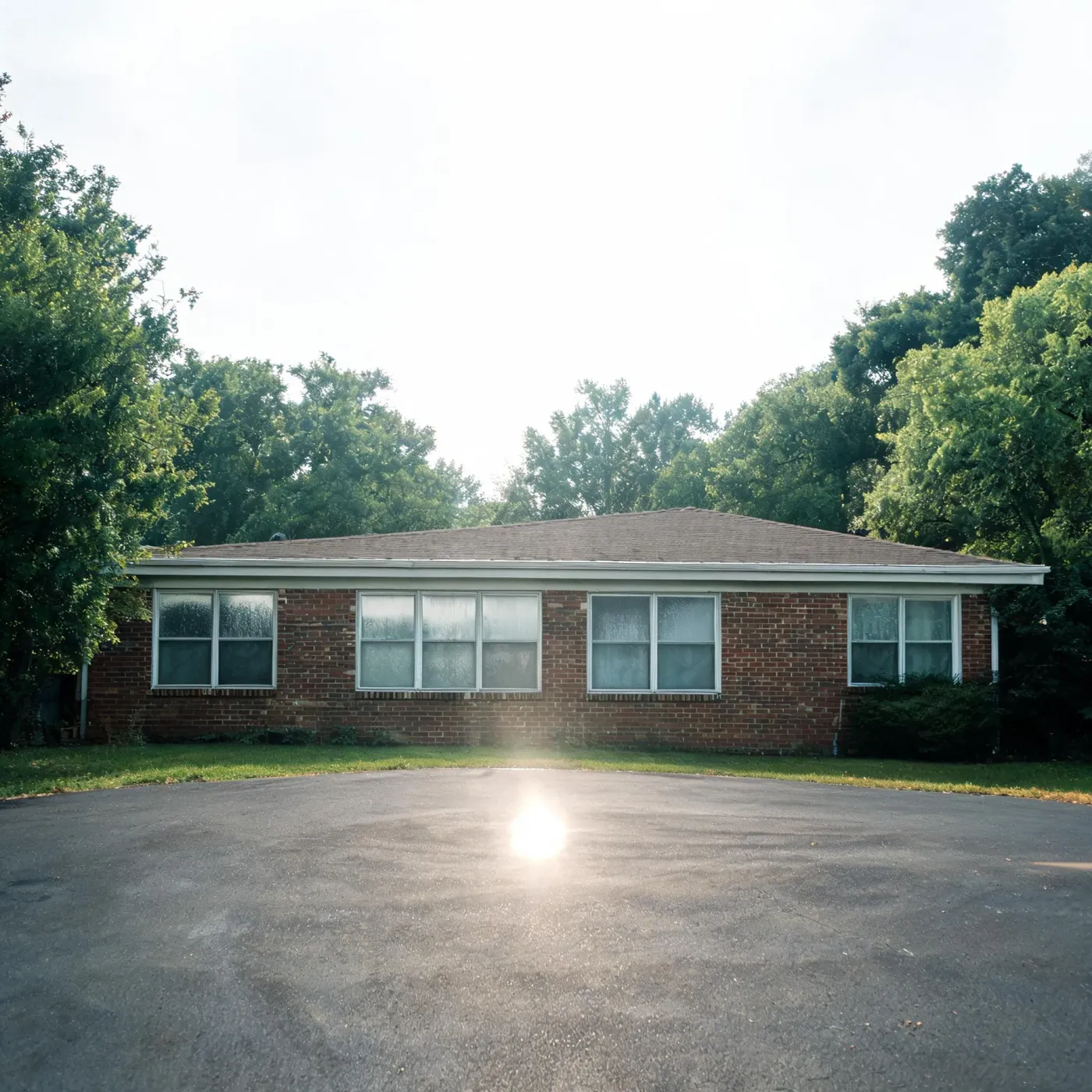
The National Weather Service puts the summer dew point here at 67°F on average across June, July and August. That's heavy, damp air, the kind that sits on your skin instead of drying off. Your outdoor unit has to push harder through air like that to dump heat from the coil, and the fan is what moves that air across the coil. When the blades stop turning, there's nothing carrying that heat away, and in dew points this high, the unit has no margin to spare. You'll notice warm air at the vents sooner on a muggy day than a dry one, and the compressor runs longer trying to catch up before anything trips.
NASA POWER T2MDEW county cells weighted by homes
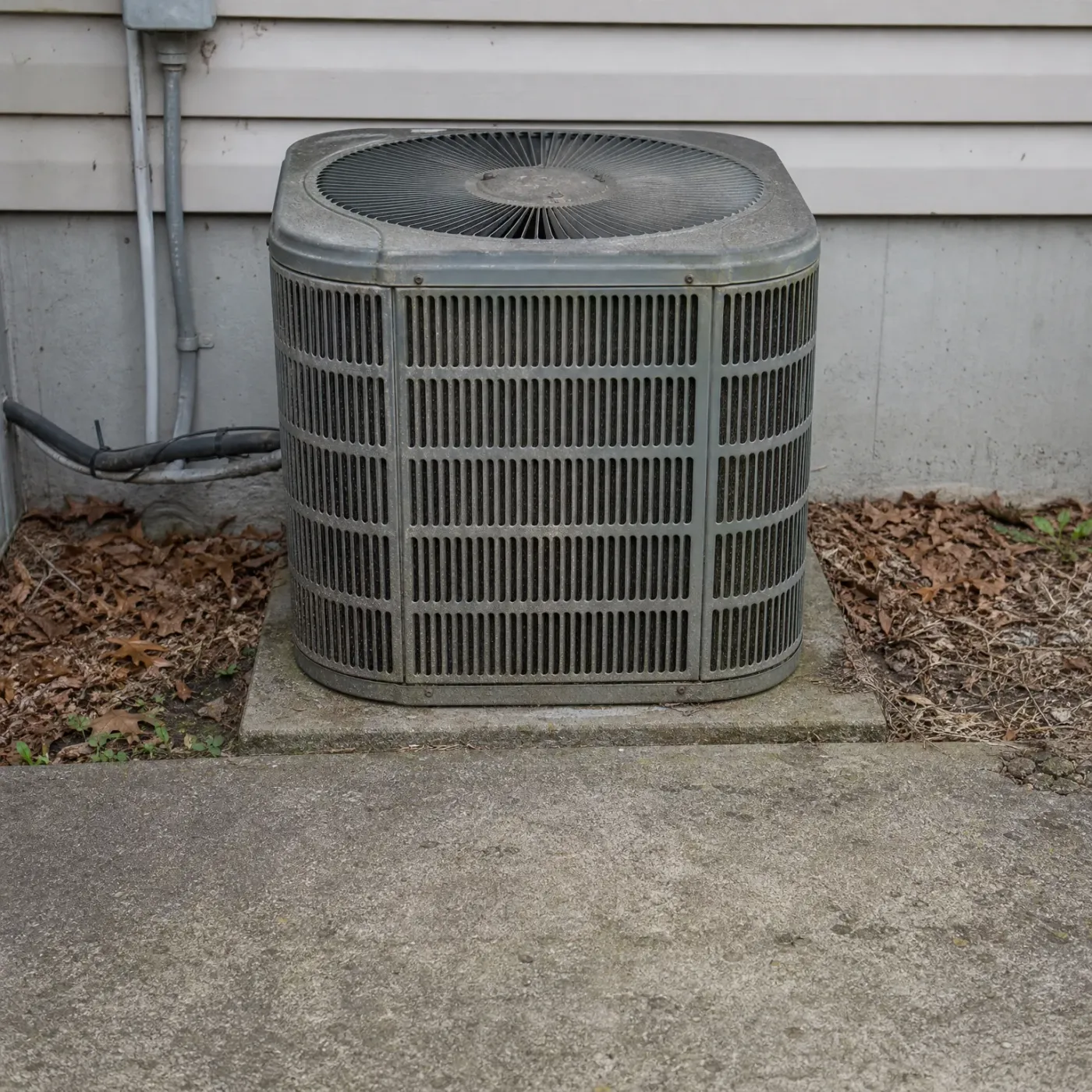
A local pro for your air conditioner repair
A compressor running with a dead fan is working against itself, and the longer it goes the more likely it trips out or burns something inside. That heat has to go somewhere, and right now it's backing up into your house instead of leaving through the coil outside. With the dew point sitting heavy most of the summer here, a system that can't shed heat outside falls behind fast and doesn't catch back up on its own. Whether it's the capacitor that's weak or the motor that's seized, it's not something to leave running while you figure it out, since every hour it runs like this is an hour closer to a compressor that won't start at all. Getting a contractor out to look at it now, while it's still just a fan not spinning, is a lot simpler than waiting for the whole system to quit on a hot North Carolina afternoon.
A Still Fan, A Clear Cause
- A fan that won't spin while the compressor runs is a capacitor or motor problem, not a thermostat setting.
- Letting the system keep cycling this way risks a tripped overload or a burnt compressor.
- Heat stays trapped in the outdoor coil instead of leaving your house through it.
- A contractor can test the capacitor and motor and tell you which one failed.
- This is a repair, not a replacement, in most cases where the rest of the system is sound.
- Catching it now, before a North Carolina summer afternoon pushes the system harder, is what keeps a small part from becoming a bigger repair.
The compressor hums, the fan on top sits still, and that gap points to one of two parts: the capacitor that should kick the motor into motion, or the motor itself if it's seized. Neither one gets better by waiting. With the fan down, the outdoor coil can't shed the heat the system is pulling from your house, so that heat has nowhere to go but back inside, even while the system keeps running and the thermostat still shows a call for cooling. Left alone, the compressor can trip its overload protection from the strain, or worse, take damage that turns a part replacement into a full system problem. None of this is something to diagnose by ear from the yard. A contractor can pull the capacitor and test it, check the motor windings, and tell you in minutes which one gave out. Most of the time, when the rest of the unit is sound, this is a straightforward repair, not a reason to replace the system. The part that matters is timing. A North Carolina summer afternoon puts real load on a system that's already fighting itself, and the sooner the bad part gets swapped, the less chance there is of the compressor going with it. What started as a dead capacitor is a cheap fix. What it turns into if it sits is not.


Get the right pro for your air conditioner
A fan that won't turn while the compressor runs usually comes down to a bad capacitor or a motor that's seized up, and neither one fixes itself. Left alone, the compressor keeps working against trapped heat until it trips out or fails outright. A licensed contractor can test the capacitor and motor directly and get the fan moving again before that happens. Send the form and the search for someone qualified is off your plate. You'll hear back from a contractor who covers your area.
Send the request and finding a pro stops being your problem.
You're not committing to anything by asking.