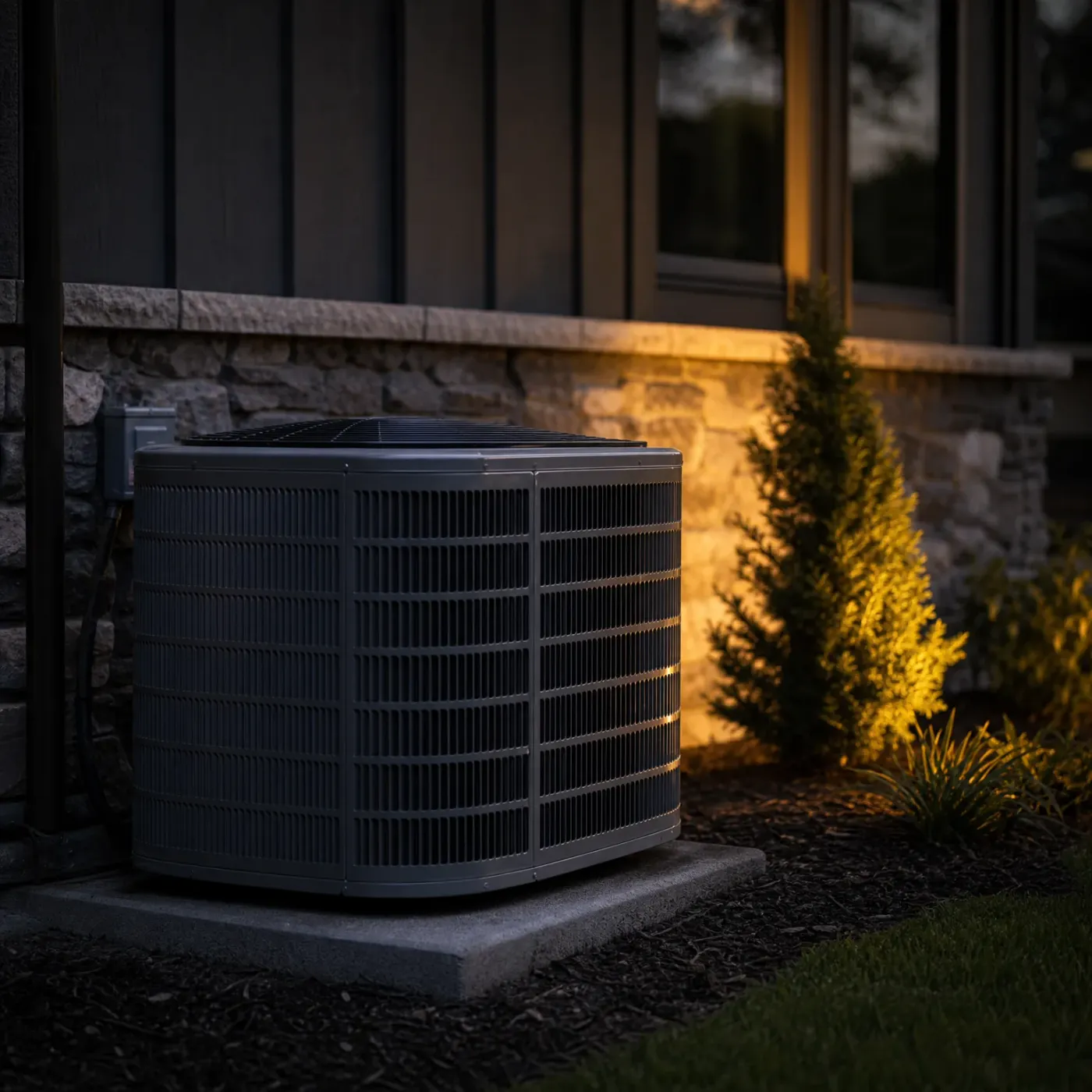
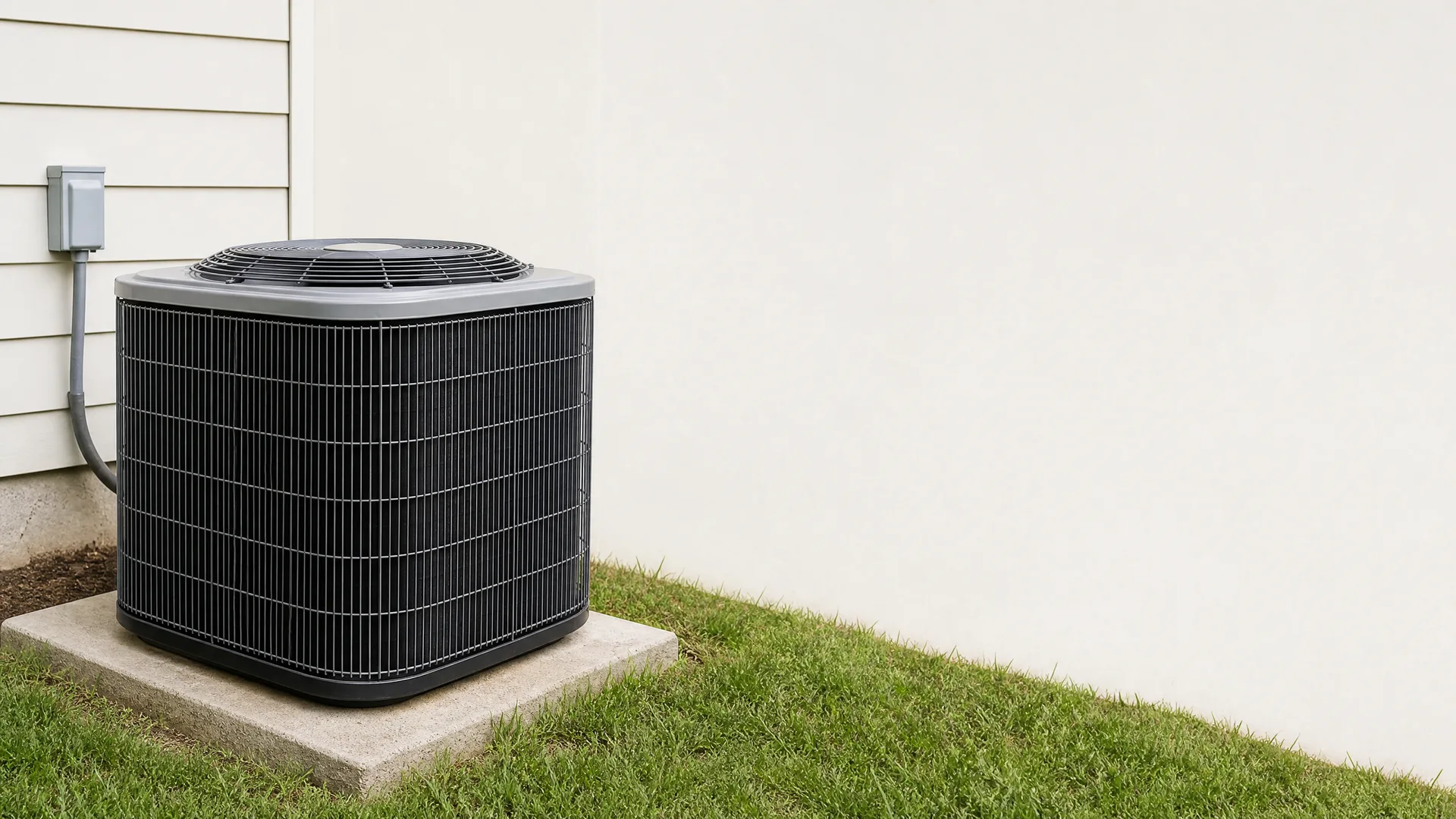
An outdoor air conditioning condenser unit on a concrete pad beside a house with stone veneer and vertical board siding, with a small shrub and mulch bed lit by a ground light at dusk.

Hand off the air conditioner problem

Why your upstairs stays hot in North Carolina summers

Upstairs is ten degrees warmer than the rest of the house, and in a North Carolina summer that gap doesn't let up. It usually comes down to ductwork, airflow, or a system that's sized wrong for a two story house. Once you send this form, you're done hunting for someone to look at it.

Let a pro reach out

Heat rises, and in a two story house it settles upstairs with nowhere to go. That alone would make the second floor warmer. What turns it into a real problem is the system underneath. One thermostat, usually downstairs, runs the whole house off a single reading, so the air conditioner shuts off once the first floor feels fine, even if the bedrooms above are still climbing. The ducts feeding those upstairs rooms are often longer and run through a hot attic, so the air arrives weaker and warmer than what left the unit. In a North Carolina summer, with heat and humidity pressing on the roof all day, that attic can push duct temperatures high enough to undo a lot of the cooling before it reaches the vent. If the system was sized for the house as a whole rather than balanced between floors, the upstairs loses that fight every afternoon. None of this fixes itself as the house gets older.

An outdoor air conditioner condenser unit on a concrete pad beside a house wall, with a gray electrical disconnect box and conduit above it and grass in the foreground.

One return, one reading

Most two story homes run upstairs and downstairs off the same thermostat, usually mounted downstairs. That thermostat reads the air around it and tells the system when to run. If the first floor hits 72 and stops the system, the second floor doesn't get a vote. It might sit at 80 the whole time, and nothing upstairs signals the system to keep going.

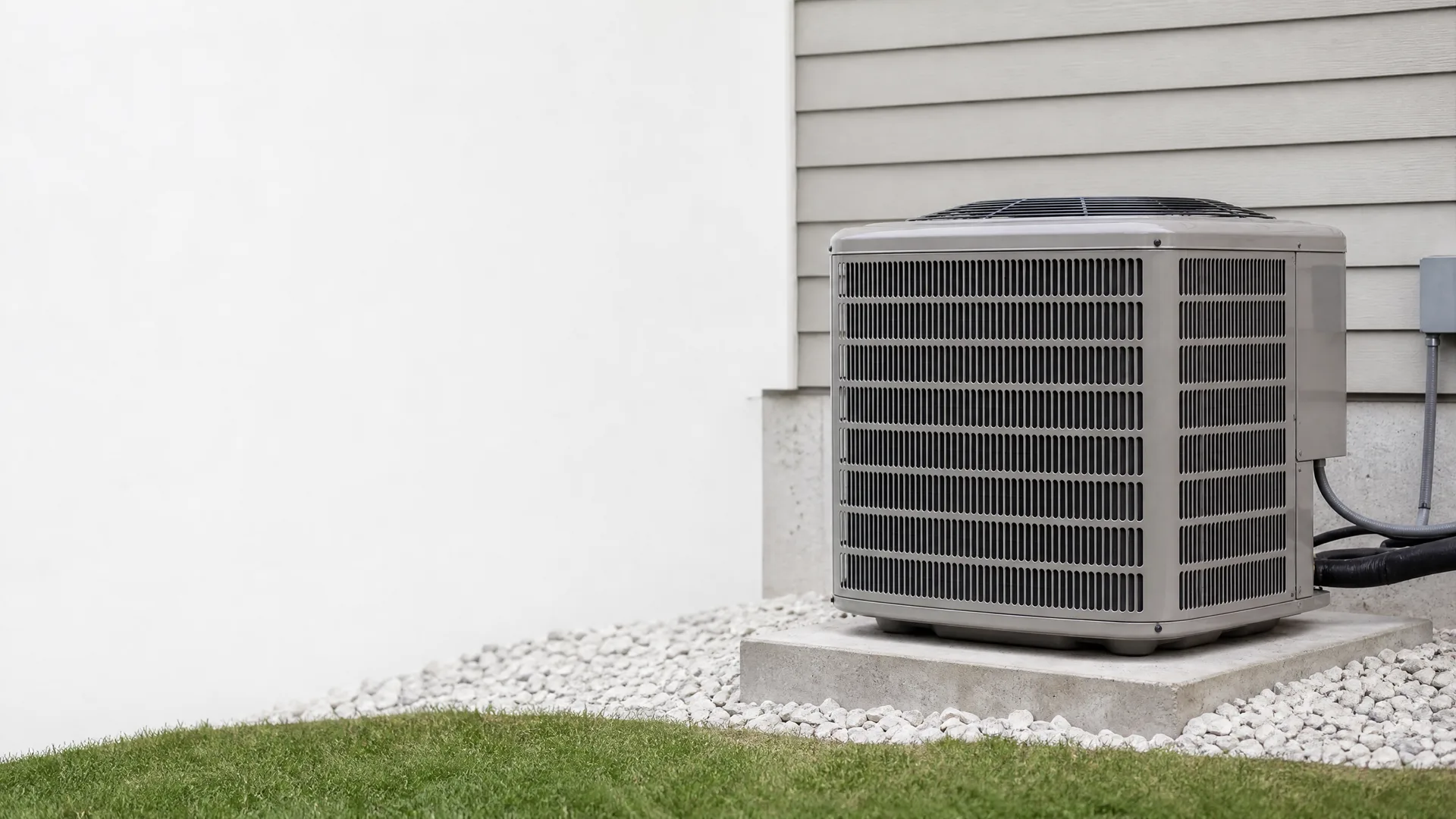
A gray outdoor air conditioner condenser unit on a concrete pad beside a house with horizontal lap siding, surrounded by white gravel and a lawn, with a white wall at left.

Where the ductwork struggles

Supply ducts running to a second floor often take a longer path than the ones feeding downstairs rooms, with more turns and more distance for air to lose pressure along the way. A system that was sized for the whole house, not balanced room by room, tends to push plenty of cold air to the nearest rooms and leave the farthest ones short. Upstairs bedrooms are usually the farthest.

Live With It or Get It Looked At

Live With It

  • A thermostat running most of the afternoon pulls down humidity across the whole house, which helps the upstairs feel less sticky even if the air itself isn't cooler.
  • You can shut the vents in rooms nobody uses and push a bit more airflow toward the ones that matter.
  • Window units or a portable unit in the worst bedroom cover the hours you're actually up there without touching the main system.
  • Running a box fan to move air across the return helps some homes, but it won't fix a duct that's undersized for the second floor.
  • Waiting through the hottest months costs you comfort every single day, and it doesn't tell you what's actually wrong.

Get It Looked At

  • A contractor can measure airflow at each upstairs vent and tell you if the ducts feeding that floor are too small or too long for the run.
  • A second thermostat zoned to the upstairs lets that floor run on its own schedule instead of waiting for the downstairs to call for cooling.
  • If the system was sized for the square footage without accounting for two floors, a load calculation will show it.
  • Sealing or resizing a duct run is a fix you make once, not something you manage every summer with fans and closed vents.
  • Once the form is in, you're not the one calling around or explaining the upstairs problem to three different companies.
  • A tech can check the supply and return balance in an afternoon, which tells you more than another summer of guessing.
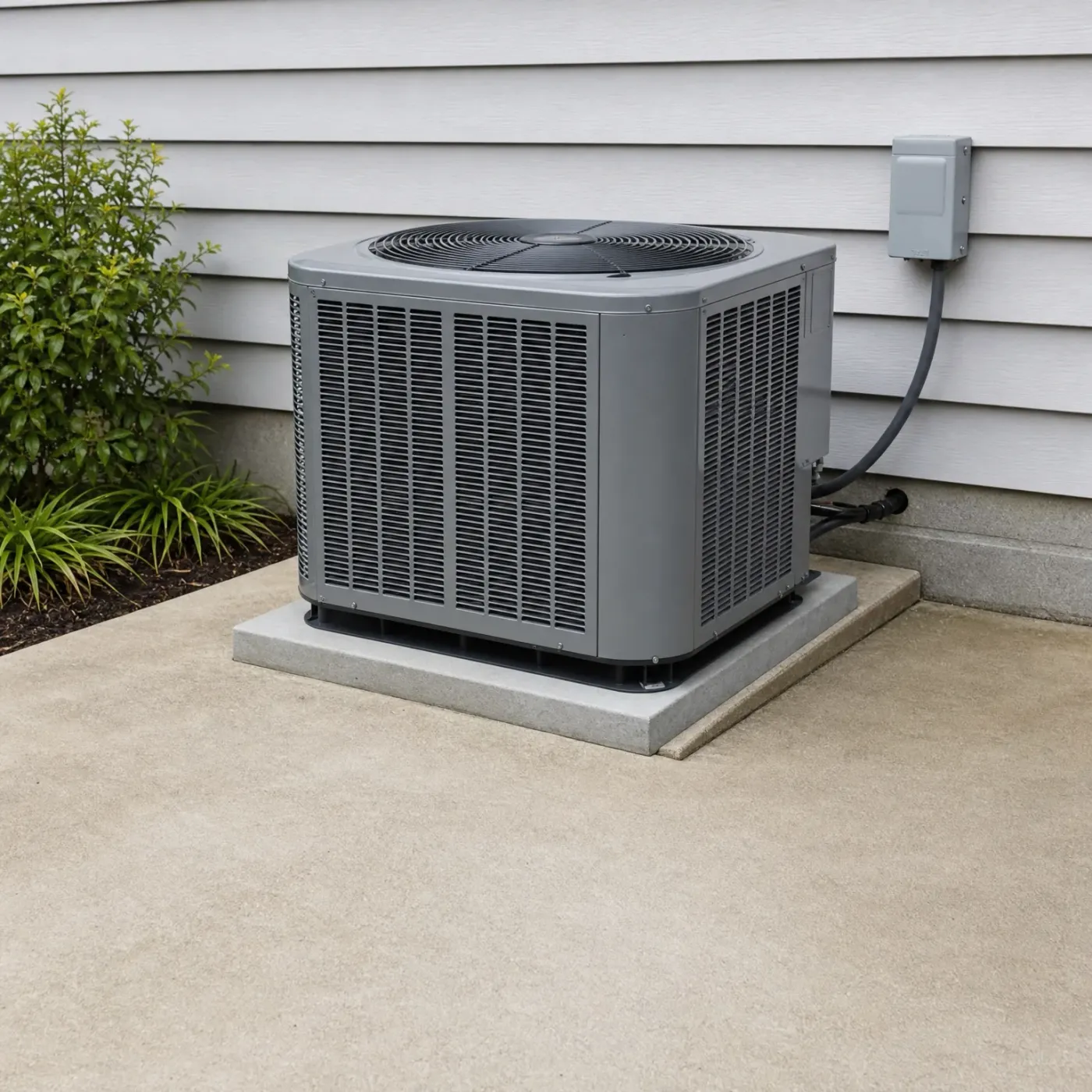
A gray outdoor air conditioning condenser unit on a concrete pad beside a house with horizontal lap siding, with a wall-mounted disconnect box and conduit, and shrubs to the left.

Running the way it should

A condenser like this one cycles on, moves heat out of the house, and shuts off. Nothing underneath or around it is fighting that. If your upstairs is still hot with a unit in this shape, the trouble usually isn't the condenser itself. It's what's happening at the ducts or the thermostat upstairs.
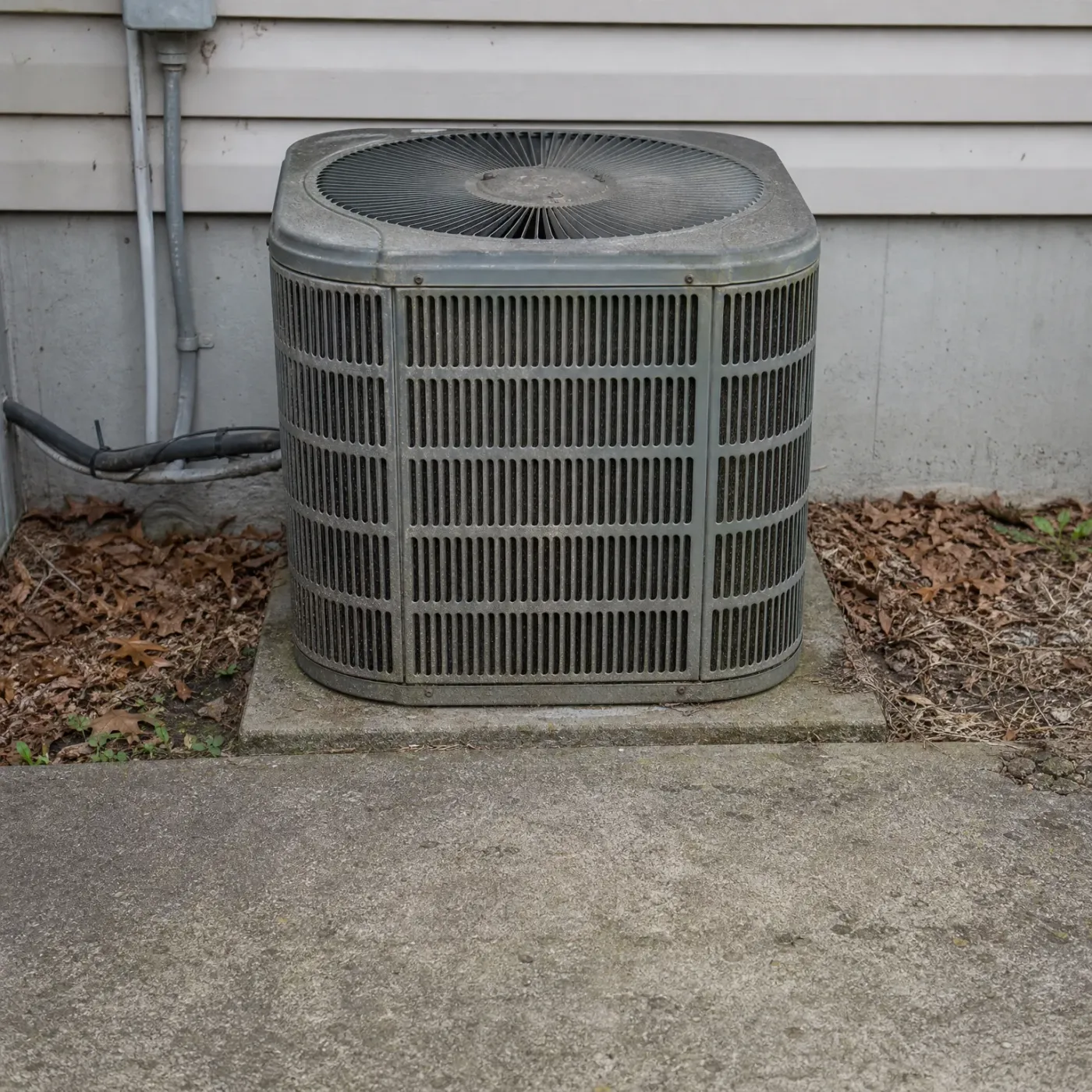

An outdoor air conditioning condenser unit on a concrete pad beside a house with horizontal siding and a concrete foundation, with dry brown leaves on the ground to either side.

Working against itself

Leaves packed against the coil and years of grime block airflow across the condenser, so it can't shed heat the way it needs to. A unit running like this struggles to keep the downstairs cool, let alone push enough capacity up to the second floor. That shortfall shows up first in the room farthest from the thermostat.

A smiling bearded man in a dark green hooded jacket and blue t-shirt sits on a couch in a living room with shelves, a potted plant, and a bowl of popcorn on a wooden table.
A smiling man in a green long-sleeved shirt sits on a beige sofa in a living room, with a bowl of popcorn in the foreground, a large potted plant and shelving behind him.
A smiling man in a dark blue T-shirt sits on a couch in a dimly lit living room with a bowl of popcorn and a remote on a wooden table, a lit floor lamp and bookshelves behind him, and windows showing greenery.
A smiling bearded man in a dark green long-sleeved shirt sits on a leather couch in a living room, with a bowl of popcorn and a remote control on a wooden table in the foreground.

One request and it's handed off

By August, the upstairs bedrooms hold heat the thermostat downstairs never sees. You've probably already tried the obvious things: a box fan in the hallway, the vents cranked open, maybe a run to the hardware store for a new filter. None of it changes what's actually happening between the floors. Finding out whether the problem is the ductwork, the return air, or a unit that was never sized for a two story house means getting someone up into the attic who knows what they're looking at. That's the part that takes real time: calling around, explaining the layout of your house more than once, waiting on callbacks that don't come. Send the form above and that search is off your plate. You still have a hot upstairs tonight, but you're not the one tracking down who can fix it anymore.

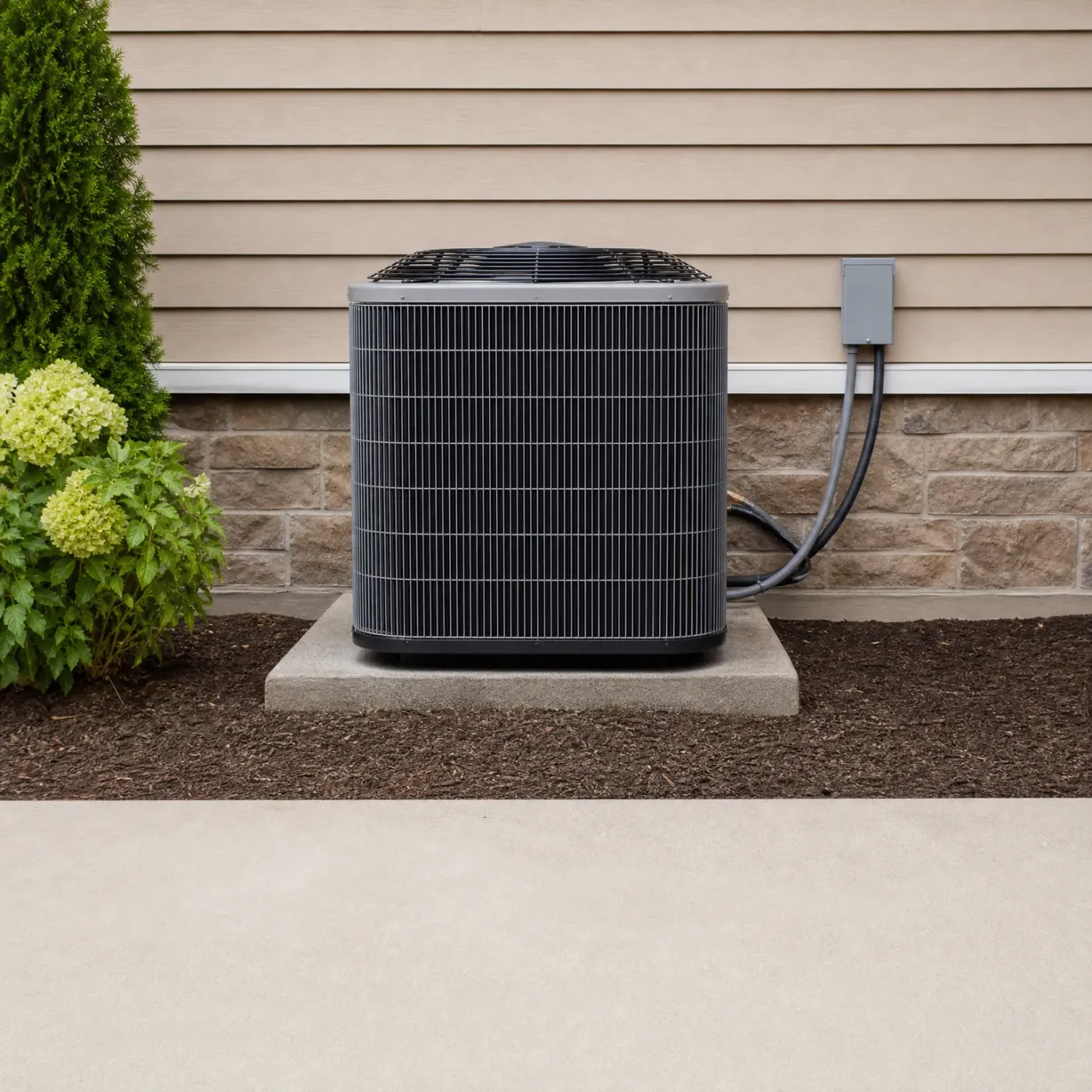
An outdoor air conditioner condenser unit on a concrete pad beside a house with beige horizontal siding and a stone-veneer base, with refrigerant lines running to a gray wall-mounted electrical box, surrounded by dark mulch, a flowering shrub and an evergreen on the left.

Doing its job

A condenser like this one sits on its pad and cycles the way it should: on, running, off. The disconnect box and the lines around it aren't the problem. If the upstairs is still hot with a unit in this shape, the cause is further down the line, usually in the ducts or the airflow reaching the second floor.

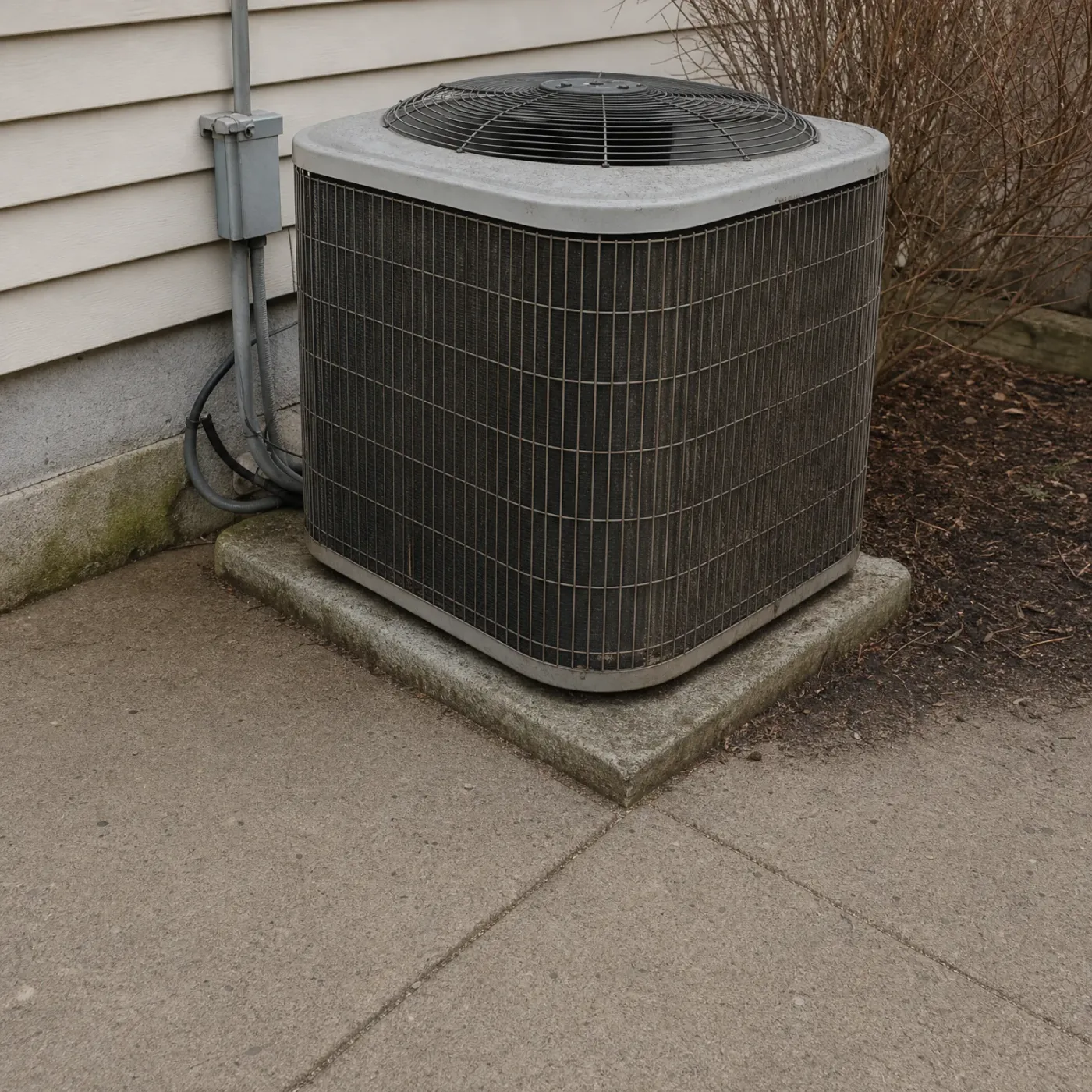
An outdoor air conditioning condenser unit on a concrete pad beside a house with light vinyl siding, an electrical disconnect box and conduit on the wall, bare shrubs and mulch to the right, and a concrete walkway in the foreground.

Struggling to keep up

A unit working this hard in July or August is trying to answer for more than its own cooling. If it's undersized for a two story house, or if something's restricting the airflow moving through it, it runs longer and still can't close the gap upstairs. A contractor can tell you which it is.

A closed laptop and a cream mug of coffee on a coaster sit on a dark wooden table, with a potted plant at left and a kitchen counter, tiled backsplash and shelf of ceramics in the background.

What that heat is doing to your house while you wait it out

A bedroom that won't drop below 80 at ten o'clock changes how your house gets used. Kids end up sleeping downstairs. The upstairs office gets skipped for the kitchen table instead. You're running a box fan all night and the system harder all day, and the electric bill shows it without the upstairs ever catching up. None of that fixes the gap between floors. It just works around it, every night, all summer.

The part that actually takes the time isn't the repair, it's finding someone who'll look at the whole system instead of guessing at one piece of it. Calling around, explaining the same thing to three different companies, waiting on quotes that don't match up. Send this form and that part is done. You're not sorting through contractors on your own tonight, you're waiting on the one who's already headed your way.

A living room corner with a light beige sofa holding a textured taupe cushion, a large ceramic vase of olive branches by a window, a framed neutral artwork on the wall, and a dark bowl with stacked books in the foreground.
  1. Cool air leaves the supply duct and rises into the hot upstairs room

  2. Heat from the roof and walls works against that cool air all afternoon

  3. Warm air near the ceiling gets pulled back through the return duct

  4. The thermostat downstairs reads a cooler temperature and shuts the system off

Power costs 14.00 cents per kilowatt-hour statewide

At 14 cents a kilowatt-hour, running the AC harder to fight a hot upstairs adds up fast on your bill. A lot of homes end up doing just that, pushing the thermostat colder downstairs to chase a few degrees on the second floor, and paying for cooling that air never gets to use.

EIA-861 2025 statewide residential average

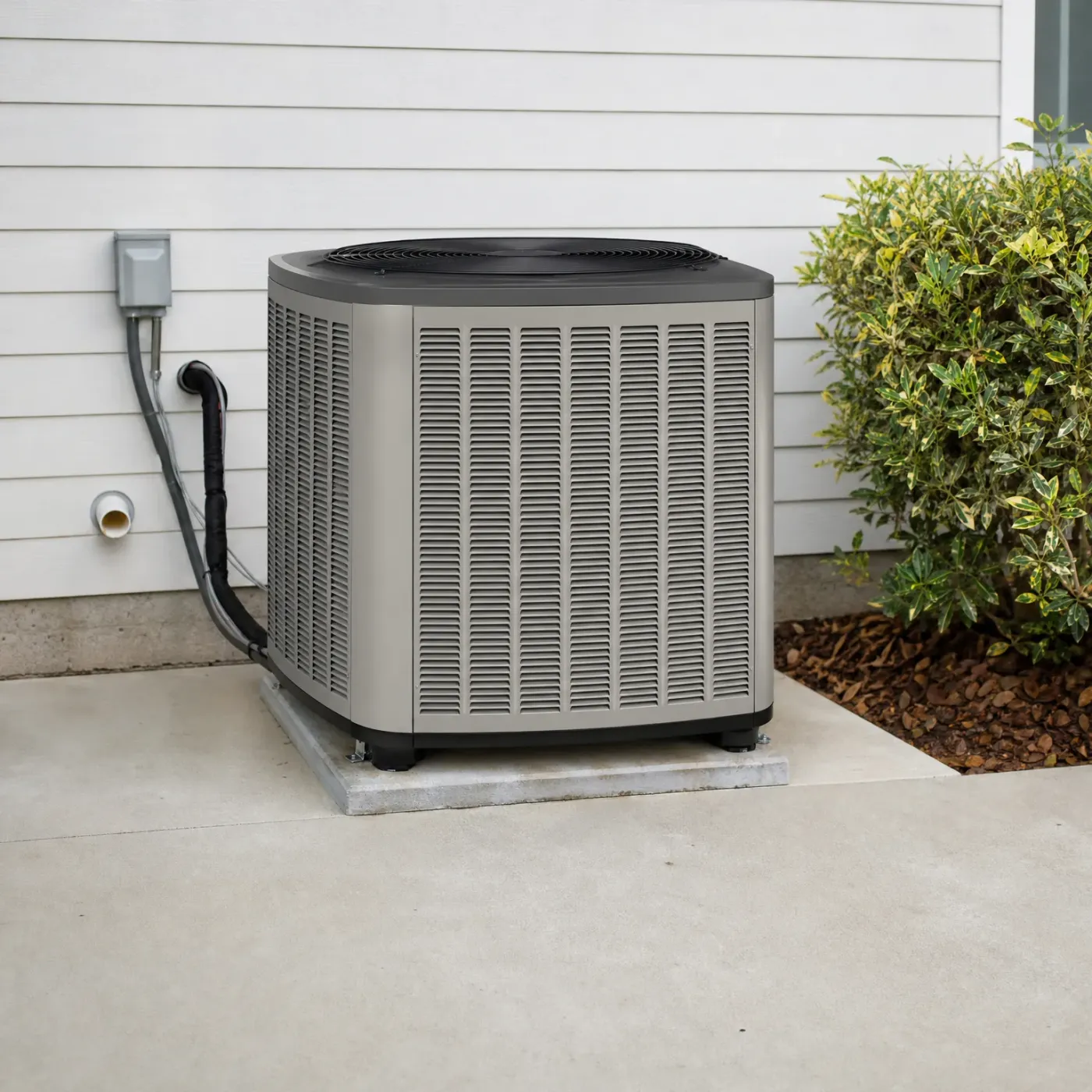
An outdoor air conditioner condenser unit on a concrete pad beside a house with light horizontal lap siding, with an electrical disconnect box and conduit on the wall behind it.
Before you get your air conditioner repair
An outdoor air conditioning condenser unit on a concrete pad beside a house with white horizontal lap siding, with an electrical disconnect box and insulated refrigerant line on the wall and a shrub over mulch to the right.
After you get your air conditioner repair
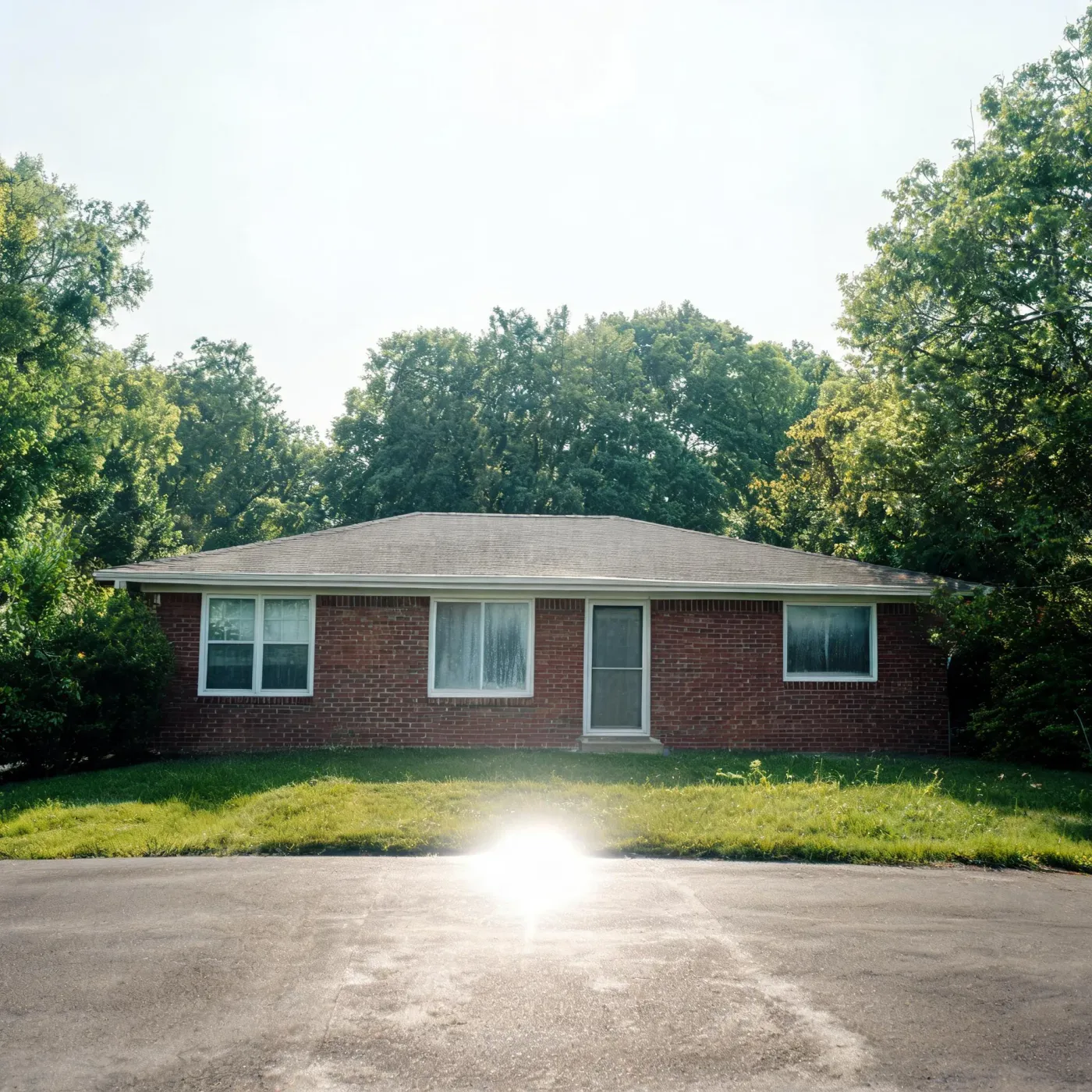
A single-story red brick house with a shingled hip roof, three windows and a central storm door, fronted by a mowed lawn and an asphalt driveway, with dense green trees behind it and sun flare in the foreground.

The dew point across North Carolina averages 67°F through June, July and August, according to NOAA climate data. That's the number that decides how heavy the air feels, not just the temperature on the thermostat. Air that wet is hard for any system to wring out, and the upstairs feels it first, since the heat and moisture both collect up there with nowhere to go. You'll notice it as that clammy feeling even when the vent's blowing cold, sheets that feel damp, a room that never quite feels dry no matter how long the system runs.

NASA POWER T2MDEW county cells weighted by homes

A woman in a dark gray sweater reclines on a light sofa with eyes closed and a slight smile, under a textured gray blanket with an open book resting on her lap, with a lit table lamp and plant in the background.
A smiling bearded man in a navy crewneck sweater sits at a dinner table with a glass of red wine, plates and glasses in the foreground, in a dimly lit room with a lamp and framed picture behind him.

Why the upstairs stays hot

  • A hot upstairs in a North Carolina summer almost always traces back to ductwork, airflow, or a system sized for one floor instead of two.
  • One thermostat downstairs can't see what the second floor is doing, so it stops the system before the upstairs ever catches up.
  • A condenser cycling normally outside doesn't rule out a real problem, since the cause is usually further down the line toward the upstairs rooms.
  • Pushing the downstairs thermostat colder to chase relief upstairs raises the bill without fixing the gap between floors.
  • Sending the form ends the part where you'd otherwise be calling around, re-explaining the problem, and sorting through quotes on your own.
  • A licensed contractor can trace the airflow problem room by room instead of guessing at it from a thermostat reading downstairs.

The heat upstairs isn't mysterious. It's ductwork sized for the downstairs, airflow that can't push cool air where it needs to go, or a system that was never matched to a two story house in the first place. One thermostat can't see two floors, so it calls the system satisfied while the second floor is still climbing past 80. A condenser cycling fine on its pad doesn't mean the system is fine. It means the problem sits somewhere between that condenser and the upstairs rooms, in the ducts, the returns, or the balance of airflow between floors. Turning the downstairs thermostat down further doesn't close that gap. It just runs the system harder to cool air that was already cool, while the upstairs stays exactly where it was.

None of that gets fixed by guessing. It takes someone who can look at the ductwork and the airflow room by room and find where the system is losing the upstairs. That's a different job than most homeowners can do from a thermostat reading downstairs, and it's not one you have to go find alone. Once you send the form, you're not the one calling around, describing the same hot bedroom to three different companies, or sorting through quotes to figure out who actually knows two story systems. That part is done. What's left is getting the actual problem looked at, by someone who can tell you what's really happening between your condenser and your ceiling.

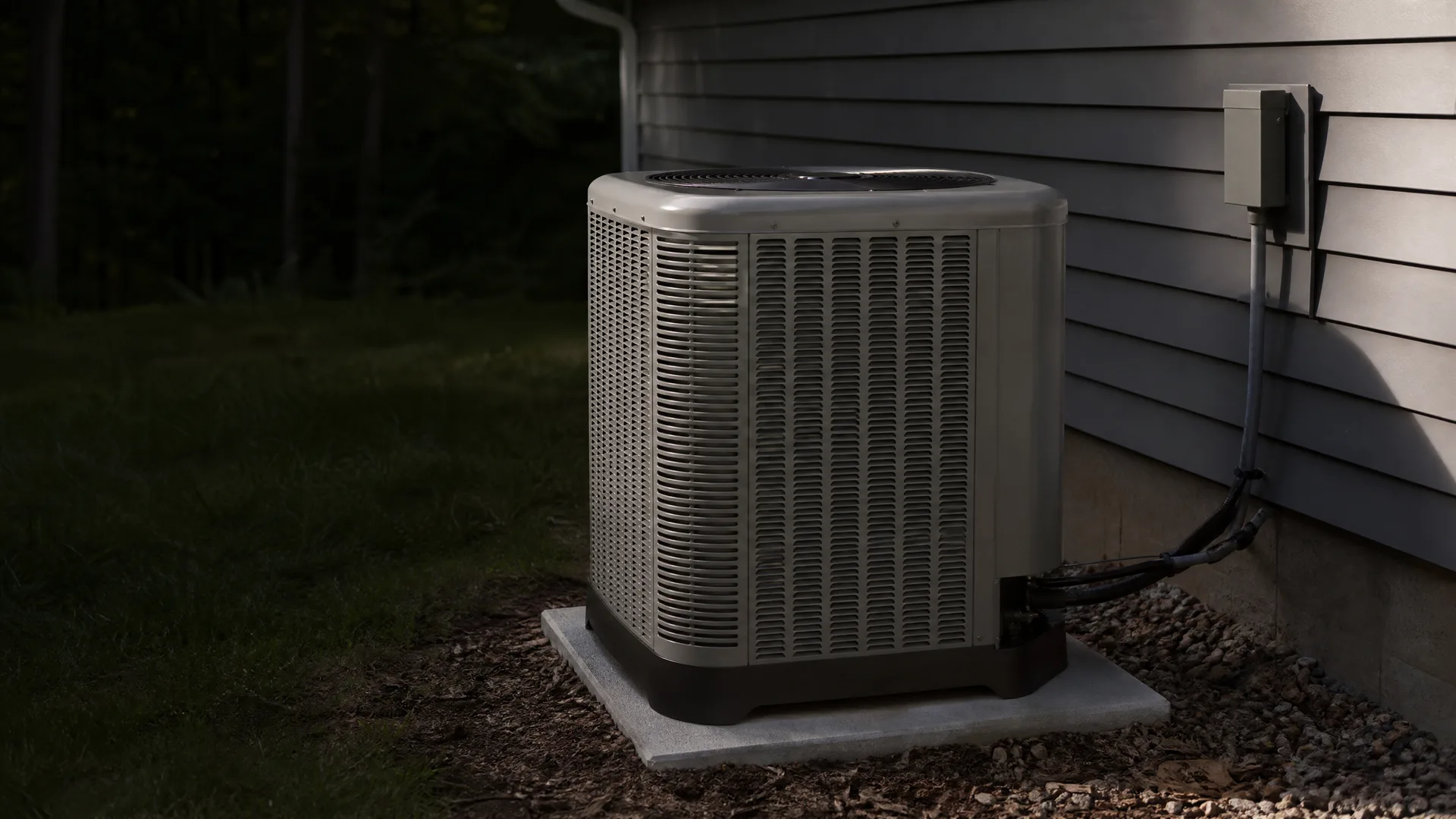
An outdoor air conditioning condenser unit sits on a concrete pad beside a house with horizontal lap siding, with a wall-mounted disconnect box and refrigerant lines entering the wall, gravel and grass around it and dark trees behind.

Done looking for an air conditioner pro

Step 1 of 3: Equipment