Tell us about the job
Takes about a minute. No obligation.
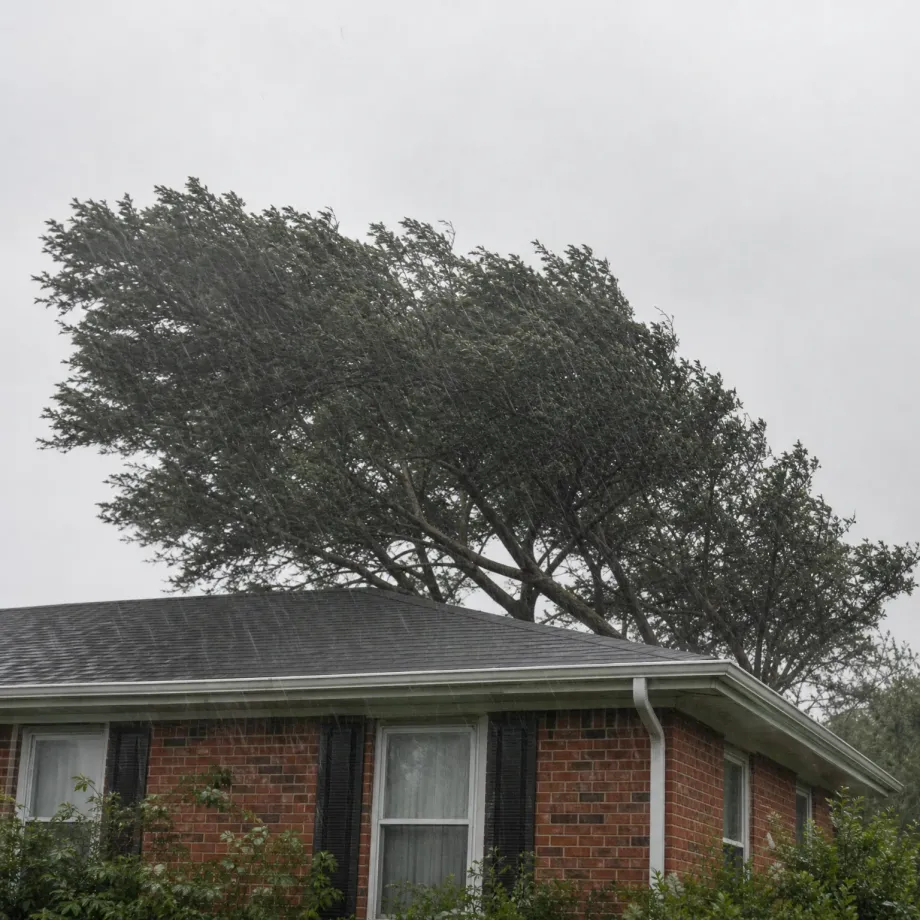
A contractor quoting a central AC repair in Mecklenburg County has to sort out one question before anything else: whether a worn part gave out because the system has been running hard against what this area throws at it, or because it aged out on its own schedule. 178 severe weather events were recorded in Mecklenburg County, North Carolina between 2015 and 2024. At that rate, severe weather is part of the normal operating life of every system here, not an occasional interruption, and that changes what a contractor examines first. A compressor that has been cycling hard through repeated weather events fails differently than one that simply ran for years in mild conditions. The diagnosis has to account for both, and the repair scope follows from which it is.
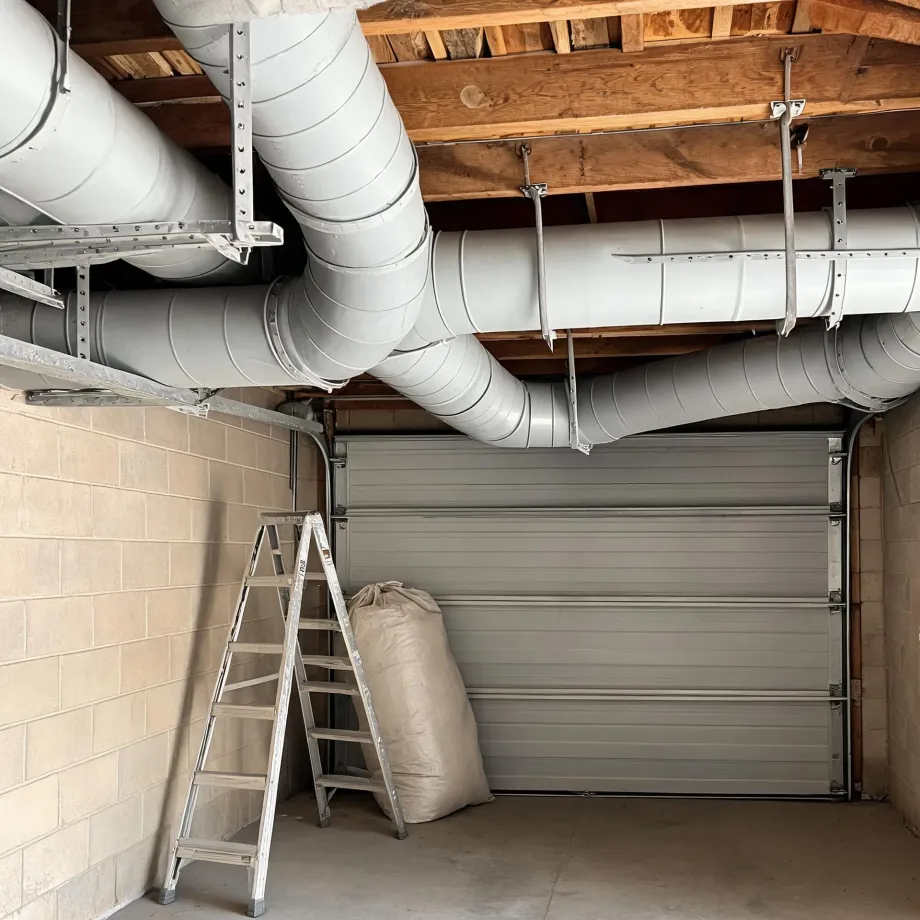
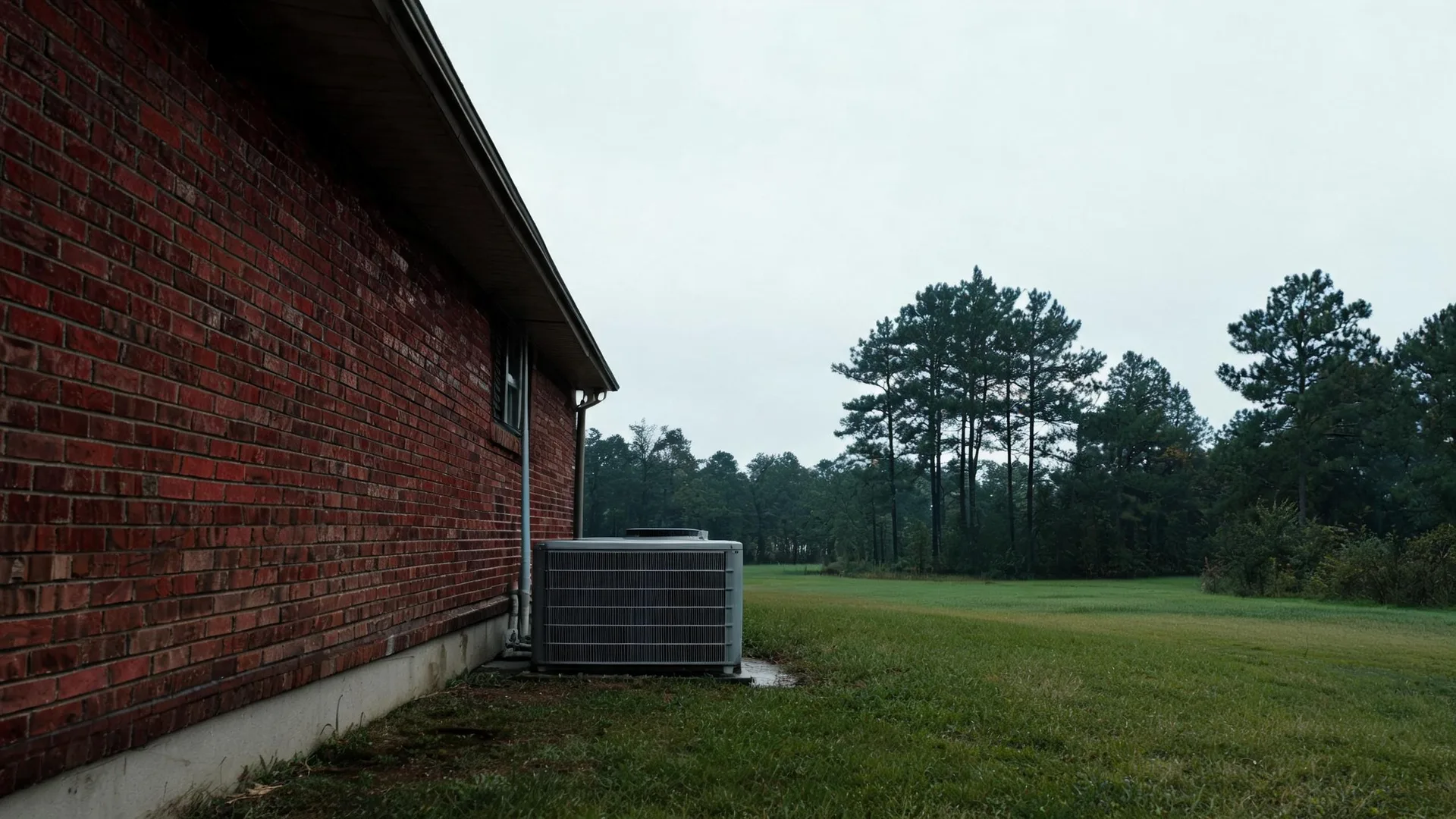
Central AC systems in Mecklenburg County get repaired against a specific backdrop. Half the homes in Mecklenburg County, North Carolina were built in 1997 or earlier (2020-2024 ACS 5-year). That means a contractor opening a unit here is working on equipment that postdates the original build by at least one product generation, and the parts that system takes are the real question. If the manufacturer still makes them, the repair is straightforward. If the line has been discontinued or the component sourced from a third party, the scope changes, and so does what a homeowner is deciding.
The Parts of a Central AC a Contractor Checks First
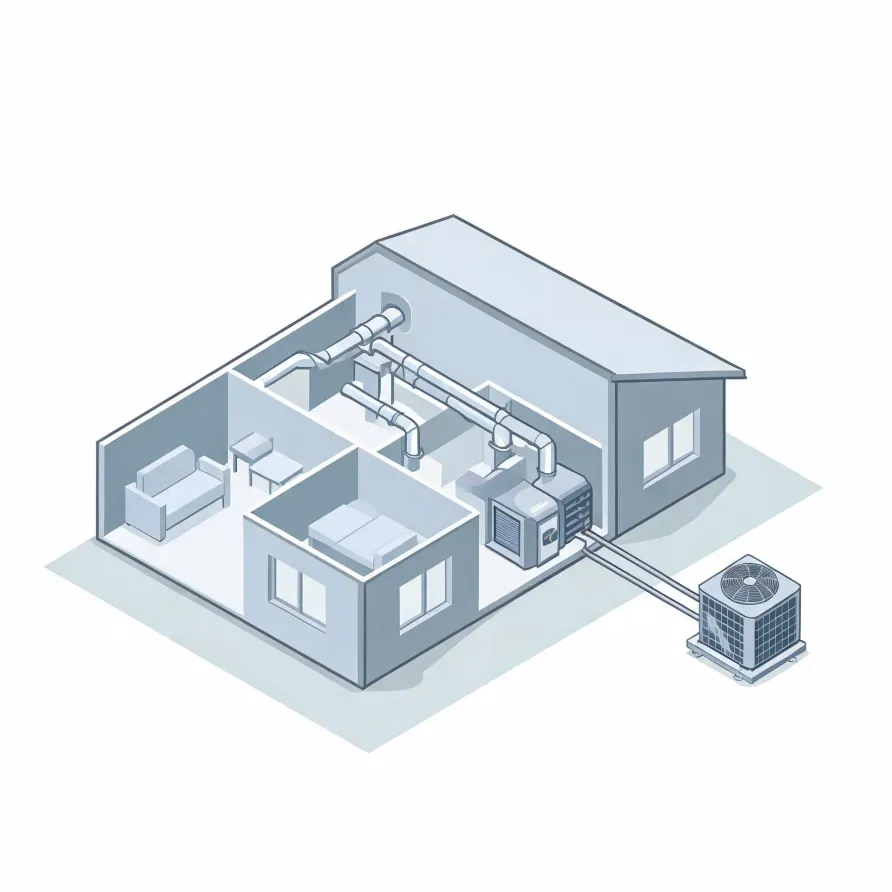
The outdoor condenser unit sits outside the house, usually on a concrete pad at ground level, and it is where heat pulled from inside gets released. The indoor air handler or furnace cabinet stands in a basement, closet, or utility room and pushes conditioned air through the house. When either unit is running badly or not at all, those are the first places a contractor looks.
The copper refrigerant lines run between the two units, carrying the refrigerant that makes the whole system work. The evaporator coil lives inside the air handler, and the expansion valve sits nearby. A failing coil, a refrigerant leak along the lines, or a stuck valve each produces its own set of symptoms, so a contractor reads those symptoms to know which piece to examine.
The drawing shows the general layout of a central AC system, and a licensed contractor determines what applies to the specific equipment and configuration in your house.
Find a contractor in Mecklenburg CountyMecklenburg County, by the numbers
178 severe weather events were recorded in Mecklenburg County, North Carolina between 2015 and 2024.
NOAA National Centers for Environmental Information, Storm Events Database, bulk CSV export, events 2015-01-01 through 2024-12-31.Half the homes in Mecklenburg County, North Carolina were built in 1997 or earlier (2020-2024 ACS 5-year).
U.S. Census Bureau, 2020-2024 American Community Survey 5-Year EstimatesMecklenburg County, North Carolina holds 503,071 housing units (2020-2024 ACS 5-year).
U.S. Census Bureau, 2020-2024 American Community Survey 5-Year EstimatesOwners occupy 55.1% of the occupied homes in Mecklenburg County, North Carolina (2020-2024 ACS 5-year).
U.S. Census Bureau, 2020-2024 American Community Survey 5-Year EstimatesCodes & Standards Governing Central AC Repair in Mecklenburg County, North Carolina10 sourced rules and standards
What happens when a contractor comes out to your home
Split-system central air conditioners rated below 45,000 Btu/h manufactured on or after January 1, 2023 must meet a federal minimum of 13.4 SEER2.
Split-system central air conditioners rated at or above 45,000 Btu/h manufactured on or after January 1, 2023 must meet a federal minimum of 13.4 SEER2.
Split-system central air conditioners manufactured between January 1, 2015 and December 31, 2022 had to meet 13 SEER, the metric that preceded SEER2.
Single-package central air conditioners manufactured on or after January 1, 2023 must meet a federal minimum of 13.4 SEER2.
Space-constrained central air conditioners manufactured on or after January 1, 2023 must meet a federal minimum of 11.7 SEER2.
Federal efficiency standards for split-system central air conditioners and heat pumps are set on each certified combination of outdoor unit and indoor coil rather than on the outdoor unit alone.
Residential and light commercial air conditioning and heat pump systems assembled in the field, including mini-splits and unitary systems, may not be installed on or after January 1, 2025 using a refrigerant with a global warming potential above 700.
A field-assembled system whose specified components were all manufactured or imported before January 1, 2025 carries no installation compliance date under the refrigerant restrictions and may still be installed.
Licensing Rules for HVAC Repair in Mecklenburg County, North Carolina
North Carolina issues Class I heating licenses covering all systems in all structures, and Class II licenses covering heating systems in single-family detached residential dwellings.
North Carolina requires a license before any person or firm may engage in, or offer to engage in, the business of heating contracting.
Severe Weather Events in Mecklenburg County
Weather puts hours on HVAC equipment. Every storm cycle that pushes temperatures to an extreme is a demand event, and cumulative demand is what drives repair needs over time.
178 severe weather events, 2015–2024. Source: NOAA National Centers for Environmental Information, Storm Events Database.